OCHA disrupts 150,000 online scam cases as losses hit S$456m in H1 2025, says Goh Pei Ming
More than 150,000 instances of online criminal content have been disrupted since OCHA took effect in 2024, Parliament heard on 27 February 2026. Scams on designated platforms fell 36.5% in 2025, as calls grow for deeper regional cooperation and stronger victim support.

- Over 150,000 online scam instances disrupted since OCHA began in 2024.
- Scam cases on designated platforms fell 36.5% in 2025, despite S$456m losses in H1.
- FRONTIER+ expanded to 13 jurisdictions, seizing about S$28.2m across borders.

SINGAPORE: On 27 February 2026, Parliament heard that more than 150,000 instances of online criminal content, accounts and activities have been disrupted since the Online Criminal Harms Act came into force in 2024.
Minister of State for Home Affairs Goh Pei Ming said most online service providers complied with directives within 24 hours, as the Government stepped up efforts against scams.
Responding to queries from Workers’ Party chair Sylvia Lim during the Committee of Supply Debate 2026, he said scams on designated platforms declined by 36.5% in 2025.
However, scam losses still totalled S$456 million in the first half of 2025, reflecting what police previously described as a mixed crime picture.
Regional cooperation under scrutiny
Lim raised concerns about the transnational nature of scams, noting that many operations targeting Singaporeans are conducted overseas, including from scam compounds discovered in parts of ASEAN.
“It is thus necessary for agencies across the region to work collaboratively to share information, conduct operations, and extradite suspects where appropriate,” she said.
She asked which ASEAN jurisdictions have yet to join the Police’s FRONTIER+ initiative and what obstacles remain to deeper cooperation.
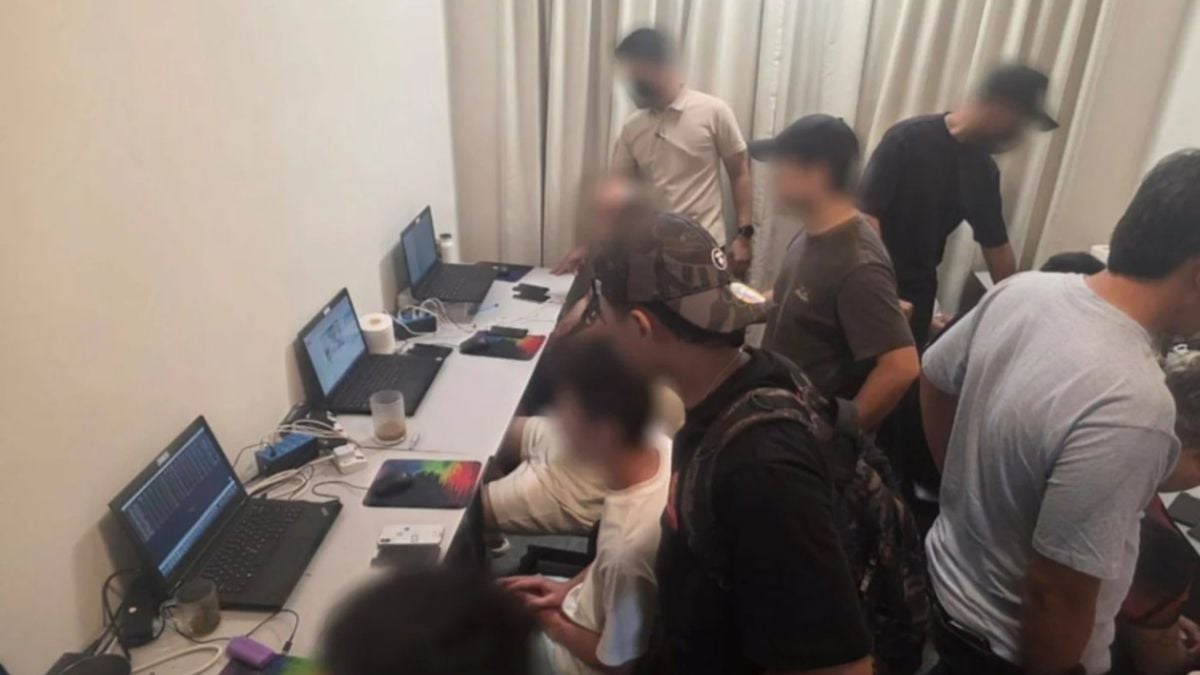
Goh said close collaboration between the Anti-Scam Command and overseas counterparts in 2025 led to the takedown of 17 transnational scam syndicates.
He described these operations as the result of years of intelligence-sharing through Project FRONTIER+, which expanded from six jurisdictions in 2024 to 13 jurisdictions across four continents.
Canada, Australia and South Africa joined in the past year, while Malaysia, Thailand, Indonesia and Brunei are among ASEAN members in the network.
Two iterations of Operation FRONTIER+ in 2025 resulted in about S$28.2 million seized from more than 36,000 frozen bank accounts across seven jurisdictions.
Goh said countries increasingly recognise that cooperation is essential to combat scams decisively and that Singapore will continue encouraging more jurisdictions to join the initiative.
Closer to home, Singapore, as ASEAN Lead Shepherd for Cybercrime, has worked with member states to develop a Cybercrime Roadmap since 2022.
At the ASEAN Ministerial Meeting on Transnational Crime in September 2025, Singapore tabled an ASEAN Declaration on Cybercrime and Online Scams to deepen law enforcement coordination.
Assessing OCHA’s effectiveness
Turning to domestic measures, Lim sought an update on the effectiveness of the Online Criminal Harms Act nearly two years after it took effect.
She asked whether social media platforms were complying with directives to curb scam advertisements, amid reports of substantial profits linked to such ads.
A Reuters report in November 2025 had cited internal documents estimating that Meta’s Facebook, Instagram and WhatsApp could earn US$16 billion, or 10% of revenue in 2024, from scam or illicit product advertisements. Meta later said those figures were overestimates.
Goh said OCHA enables police to direct online service providers to disable access to criminal content such as scams, powers that were not available before the Act.
“Online service providers have acted on all directions, generally within 24 hours,” he said.
More than 150,000 instances of online criminal content have been disrupted since OCHA’s operationalisation in 2024, he added.
OCHA also allows the Government to direct platforms to implement preventive measures, including stricter user verification and enhanced response times to user reports.
Scams on platforms designated in 2024 declined by 36.5% in 2025, which Goh described as a positive outcome.
Nevertheless, scammers continue to approach victims predominantly through online platforms such as Facebook and Carousell, accounting for more than 80% of scam cases in 2025.
Some accounts are obtained fraudulently, including through individuals relinquishing Singpass-verified accounts for payment.
The Ministry of Home Affairs is exploring new legislation to enable enforcement against individuals who obtain or supply online accounts to facilitate scams and other crimes.
Support for scam victims
Lim also highlighted research showing that scam victims may suffer severe psychological distress, including anxiety, depression and post-traumatic stress disorder.
She asked in what percentage of scam cases Victim Care Officers are activated and what protocols exist to update victims on case progress.
Goh said police may refer victims to the Victim Care Cadre Programme, where trained volunteers provide psychological first aid and crisis intervention.
“The VCOs may also refer the victims to community and professional resources for longer-term psychological and financial support,” he said.
Participation requires the victim’s consent. Last year, more than 150 scam victims took up support under the programme.
Even when VCOs are not activated, police provide information on community support options and steps victims can take after falling prey to scams.
On case updates, victims receive an acknowledgement letter or email within seven days of lodging a report.
“As every case is unique and the time taken to investigate each case differs, the Police will then update the victims when there are significant developments,” Goh said.
Public–private partnerships strengthened
Goh said collaboration with industry partners remains central to the anti-scam strategy.
The co-location of representatives from seven major banks at the Anti-Scam Centre has enabled quicker intervention to stop suspicious transactions.
“The improvement in the scam situation in Singapore would not have been possible without our industry partners,” he said, thanking them for their support.