MHA refuses entry to Malaysian activist Fadiah Nadwa Fikri, cites immigration policy grounds
Singapore’s Ministry of Home Affairs (MHA) has refused entry to Malaysian activist Fadiah Nadwa Fikri, stating she was ineligible for a pass under current immigration policies.


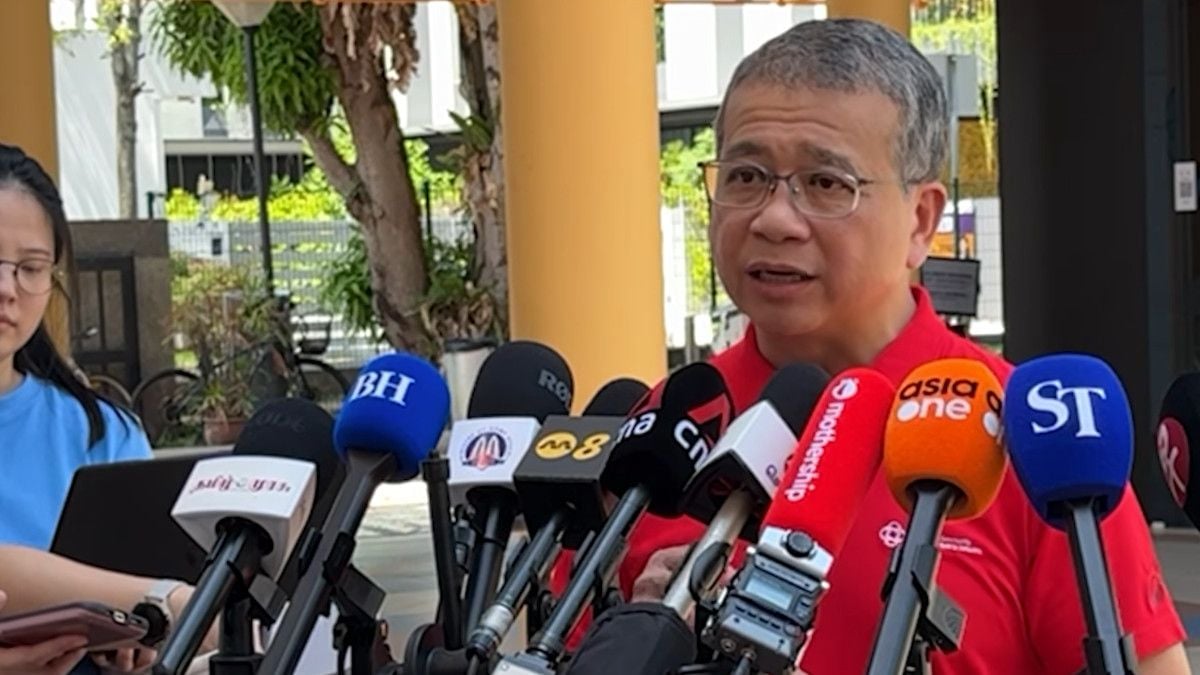
The Ministry of Home Affairs (MHA) has refused entry to Malaysian activist Fadiah Nadwa Fikri, describing her as an undesirable visitor due to what it characterised as attempts to involve Singaporean youths in radical advocacy. Fikri was deported to Malaysia after arriving in Singapore on 22 March 2026.
In a statement reported by CNA, MHA said Fikri encouraged young people in Singapore to adopt what it described as radical activism, urging them to go beyond conventional protest methods by mobilising students and communities for actions characterised as disruptive and potentially violent.
MHA reiterated that Singapore does not permit foreigners to engage in domestic political activities. The ministry stated that the promotion of unlawful, violent, or disruptive methods of protest is not permitted within Singapore.
Fikri, who is recognised by international organisation Front Line Defenders as a human rights defender, was conferred a PhD by the National University of Singapore (NUS) on 31 January 2026, shared details of her deportation on social media.
In a post dated 22 March 2026, she wrote that she had been banned from entering Singapore and deported to Malaysia. She stated that when she asked immigration officers for the grounds of the decision, she was told that the reasons could not be disclosed.
Fikri also shared a photograph of the official notice issued by the Immigration and Checkpoints Authority (ICA). The notice stated that she was deemed “ineligible for the issue of a pass under current immigration policies.”
According to Fikri, she had travelled to Singapore at the invitation of her former supervisor to deliver a guest lecture related to her doctoral research. She also stated that she intended to meet former colleagues and collect her degree certificate.
Her research at the NUS Department of Southeast Asian Studies focused on the intellectual history of decolonisation and anti-imperial thought in Malaya and Singapore.
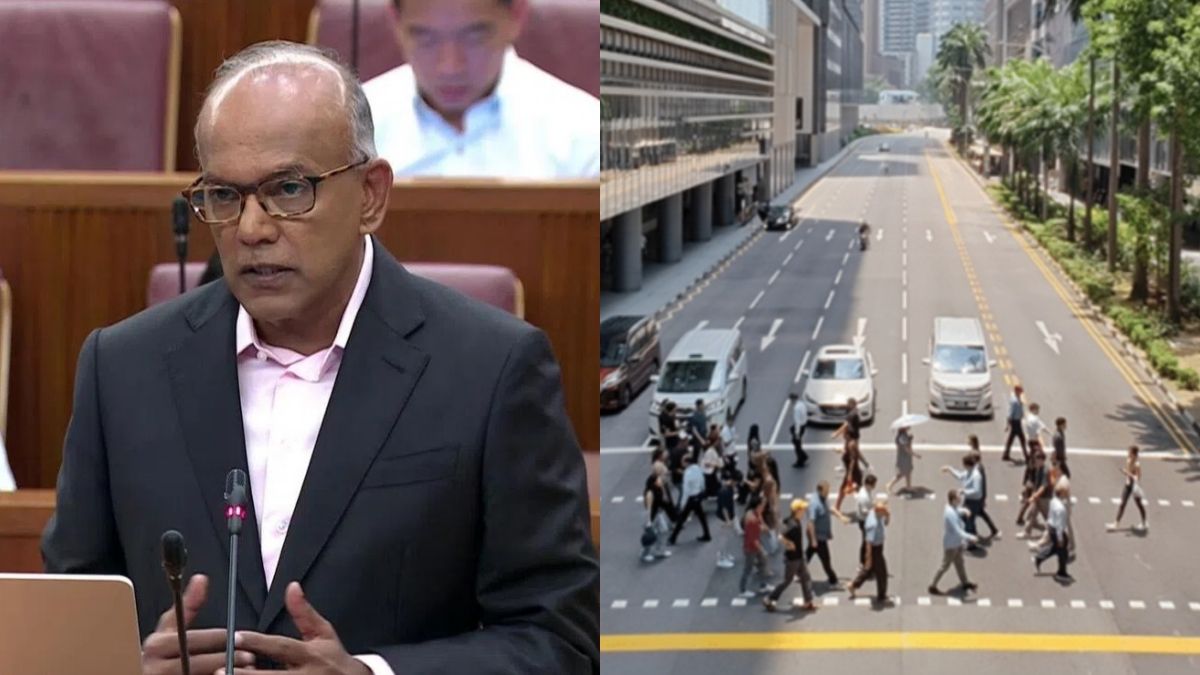
Fikri has previously been involved in legal and political advocacy in Malaysia. She is affiliated with Lawyers for Liberty (LFL) and the Centre to Combat Corruption and Cronyism (C4). In 2020, LFL initiated legal proceedings involving Singapore’s Minister for Home Affairs, K Shanmugam, concerning allegations relating to execution procedures at Changi Prison.
Fikri has also publicly expressed support for Palestinian causes. Some online commentators have suggested that her deportation may be linked to her positions on international conflict and anti-imperial politics, although no official confirmation has been provided.
The activist has previously faced legal scrutiny in Malaysia for her advocacy work. In 2018, she was investigated under the Sedition Act for an article titled Don’t Kiss the Hand that Beats You. While the investigation caused significant public debate, no formal charges were pursued.
In March 2020, Fikri was again questioned by the Royal Malaysia Police (PDRM) following her participation in protests against the appointment of then Prime Minister Muhyiddin Yassin. These investigations into her participation in peaceful assembly were ultimately concluded without criminal prosecution.
Public reaction to the deportation has been mixed. Some commentators argued that Singapore retains sovereign discretion over immigration decisions, while others expressed concern about potential implications for academic exchange and political expression.
Fikri began her doctoral studies at NUS in 2020. Her academic profile describes her research as examining Malay radical political thought and the racialisation of political identities under British colonial rule. She has previously participated in protests in Kuala Lumpur.
The Singapore government has stated that maintaining public order remains a priority. MHA reiterated that safeguarding social stability includes preventing foreign actors from influencing domestic political activity or encouraging civil unrest.