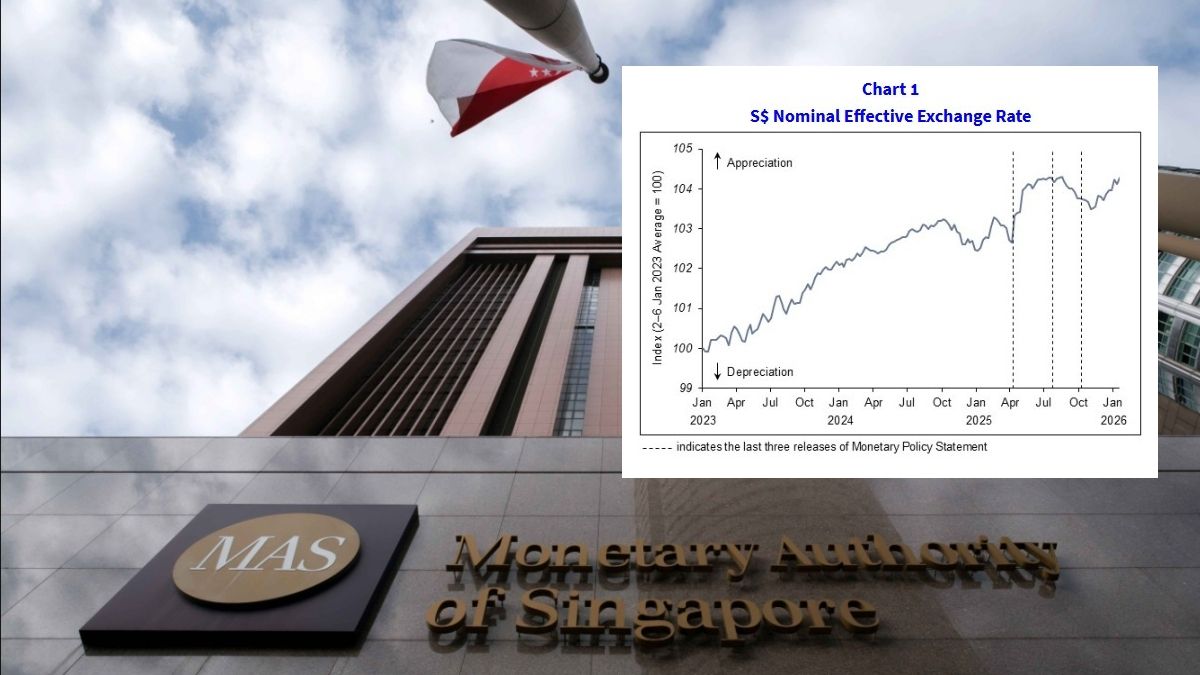
MAS tightens monetary policy and raises inflation outlook amid Middle East-driven energy market volatility
Singapore tightens monetary policy on 14 April 2026 as energy price volatility linked to Middle East tensions drives higher inflation expectations and imported cost pressures.

- MAS tightened policy by increasing the slope of the Singapore dollar policy band.
- Inflation forecasts were raised to 1.5 to 2.5 per cent for 2026.
- Energy price volatility and supply disruptions are expected to sustain inflation pressures.

Singapore tightened its monetary policy on 14 April 2026, responding to rising inflation risks driven by volatility in global energy markets linked to Middle East tensions.
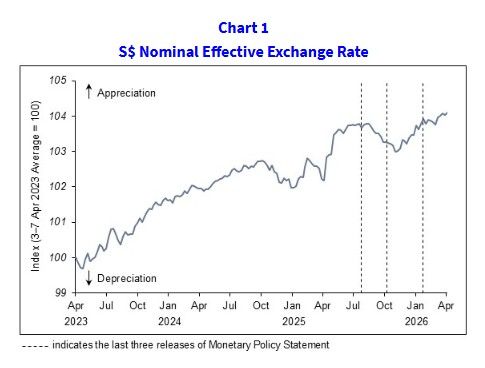
The Monetary Authority of Singapore (MAS) said it would slightly increase the rate of appreciation of the Singapore dollar nominal effective exchange rate policy band, signalling a firmer stance to manage imported inflation.
MAS confirmed that there would be no change to the width of the policy band or the level at which it is centred.
The adjustment means the Singapore dollar will be allowed to strengthen more quickly against the currencies of major trading partners, making imports cheaper and helping to dampen inflationary pressures.
MAS conducts monetary policy through exchange rate management rather than interest rates, allowing the currency to move within an undisclosed band.
The central bank retains the flexibility to adjust the slope, midpoint or width of this band depending on economic conditions.
Inflation outlook revised upwards
Alongside the policy move, MAS raised its forecast for both core and headline inflation to between 1.5 and 2.5 per cent for 2026.
This marks an increase from the previous forecast range of 1 to 2 per cent. Core inflation excludes accommodation and private transport costs.
The inflation outlook has been revised upwards twice this year.
In October 2025, projections stood at 0.5 to 1.5 per cent, before being increased in January and again in April.
MAS said the upward revision reflects stronger imported cost pressures, particularly from energy and related goods.
External risks and energy pressures
The central bank highlighted that global uncertainties, especially those linked to Middle East developments, are contributing to sustained volatility in energy prices and supply.
Singapore’s imported energy costs have already increased, with broader price rises expected across goods and services in the coming quarters.
Even if supply conditions stabilise, MAS warned that energy prices are likely to remain elevated for some time.
Delays in deliveries, gradual supply recovery and efforts by governments to rebuild energy reserves are expected to prolong price pressures.
Broader economic implications
MAS indicated that rising energy costs would feed into higher prices for intermediate and final consumer goods.
Core inflation is expected to pick up and remain elevated as these cost pressures filter through the economy.
However, accommodation-related inflation is likely to remain subdued due to weaker housing rental growth.
The central bank emphasised that it is prepared to respond to risks to medium-term price stability and will continue to monitor developments closely.
It added that it stands ready to curb excessive volatility in the exchange rate if necessary.
Market expectations and policy context
The decision to tighten policy was widely anticipated by economists, some of whom had already raised their own inflation forecasts and expect further tightening measures if pressures persist.
MAS last tightened policy in October 2022, during a period of strong post-pandemic demand and elevated energy prices linked to the Russia-Ukraine conflict.
Since then, policy had remained unchanged, with the last adjustment occurring in April 2025 when the central bank eased its stance amid concerns over global trade tensions.