Singapore and Malaysia stress diplomacy and energy resilience amid Middle East conflict
Singapore and Malaysia are tightening coordination as the Middle East war disrupts global energy flows. On 20 April 2026, both leaders stressed diplomacy, supply resilience, and safeguarding critical shipping routes amid escalating uncertainty.

- Singapore and Malaysia stressed diplomacy amid escalating Middle East conflict and energy disruptions.
- Both nations aim to strengthen supply chains and regional energy resilience.
- Leaders highlighted safeguarding Strait of Hormuz navigation and ASEAN Power Grid cooperation.

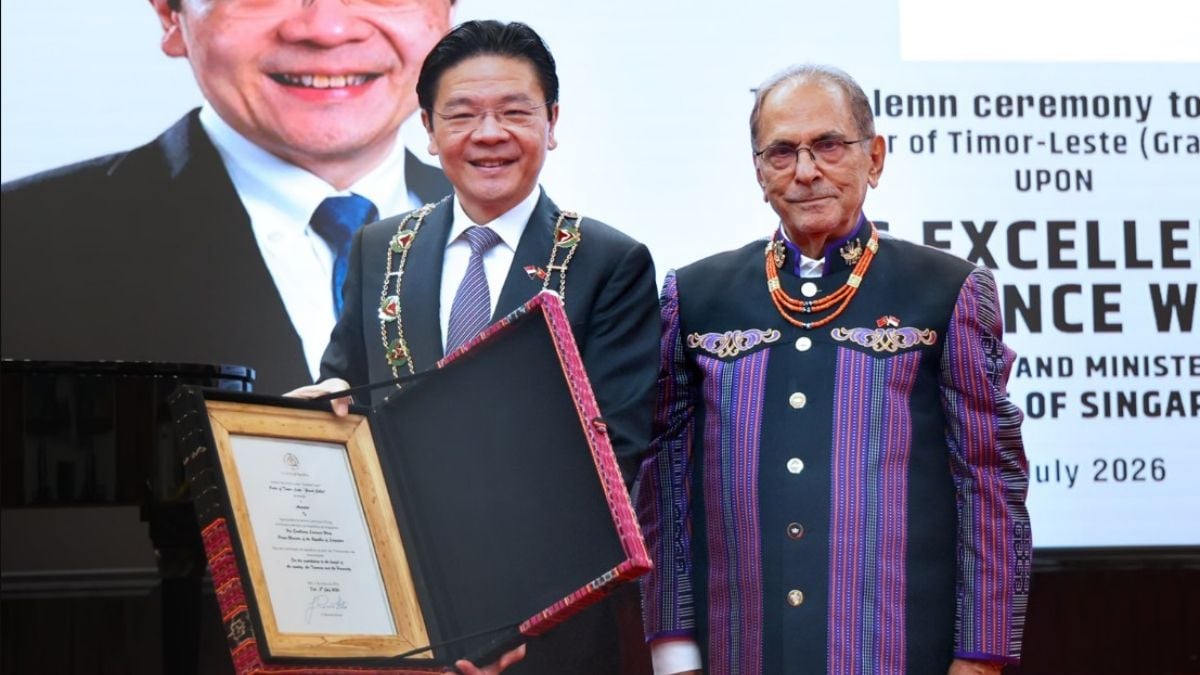
SINGAPORE: Singapore Prime Minister Lawrence Wong and Malaysian Prime Minister Anwar Ibrahim have underscored the urgency of diplomatic efforts as both countries confront growing energy and supply chain risks linked to the Middle East conflict.
Speaking after a phone call held earlier on 20 April 2026, PM Wong said both leaders agreed on the importance of sustained diplomacy to resolve the crisis in Iran. The discussion also focused on how Singapore and Malaysia could deepen cooperation to strengthen supply chain resilience.
“At a time like this, it is all the more important for close neighbours like Singapore and Malaysia to stay coordinated and support one another,” PM Wong wrote on Facebook.
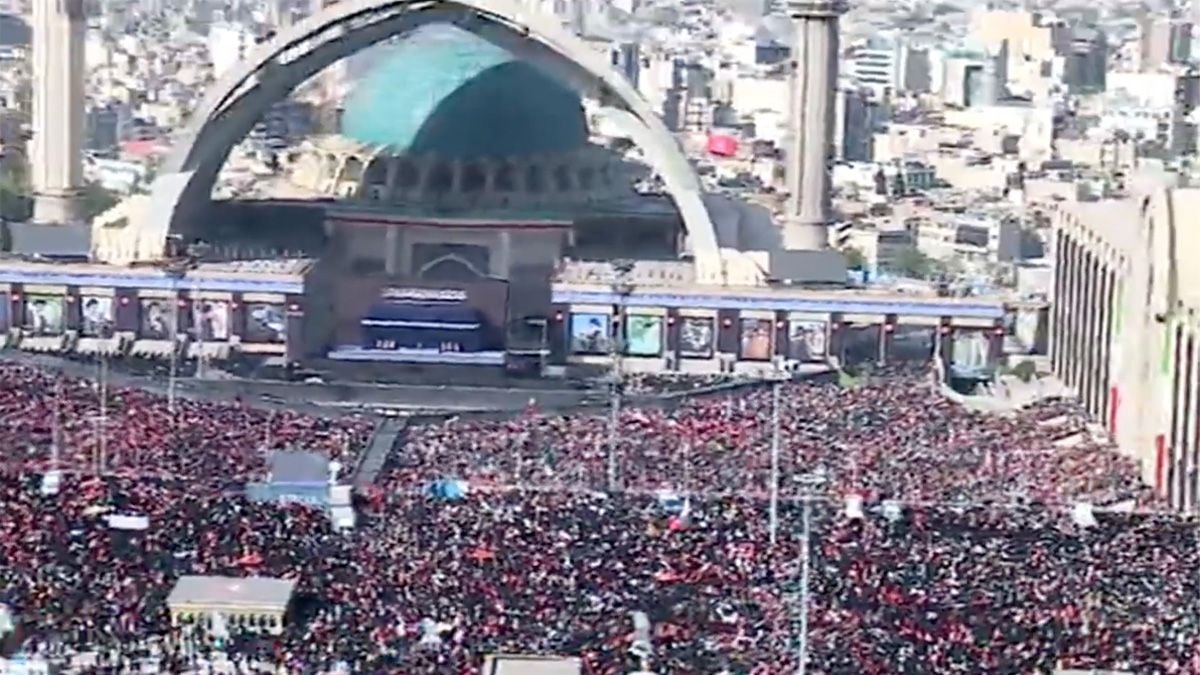
The conflict escalated following attacks by the United States and Israel on 28 February, which targeted and killed several senior Iranian figures, including Supreme Leader Ayatollah Ali Khamenei.
Iran subsequently launched retaliatory actions across the Gulf region.
The situation has triggered a wider energy crisis after Iran’s military closed the Strait of Hormuz, a critical shipping route that typically carries about one-fifth of the world’s oil and liquefied natural gas supplies.
Anwar Ibrahim said both leaders welcomed a temporary ceasefire but stressed that a lasting resolution remained necessary. He added that Malaysia supports ongoing diplomatic initiatives, including Pakistan’s role in facilitating dialogue.
He also highlighted the need to safeguard freedom of navigation through the Strait of Hormuz, given its importance to global energy flows.
“We will continue to prioritise domestic needs and ensure Malaysia and the region remain resilient amid global uncertainty,” he said.
Both countries are expected to focus on strengthening electricity grid resilience and managing supply-demand pressures, while accelerating regional cooperation through initiatives such as the ASEAN Power Grid.
The leaders had previously discussed the Middle East situation on 25 March, reaffirming their commitment to maintaining regional stability as global oil supply pressures intensify.