Iran's Khamenei funeral blends state messaging, revenge calls and dissent
Iranian authorities have framed calls for revenge against Donald Trump as religious duty at Ayatollah Ali Khamenei's funeral, even as some Tehran residents voiced apathy and scepticism over mandatory mourning measures.
- Senior officials reappeared publicly as mourners called for revenge against Trump and Netanyahu.\
- Iranian authorities used religious symbolism to frame retaliation as duty, per Al Jazeera analysis.
- Some Tehran residents voiced apathy and scepticism amid reports of mandatory attendance measures.

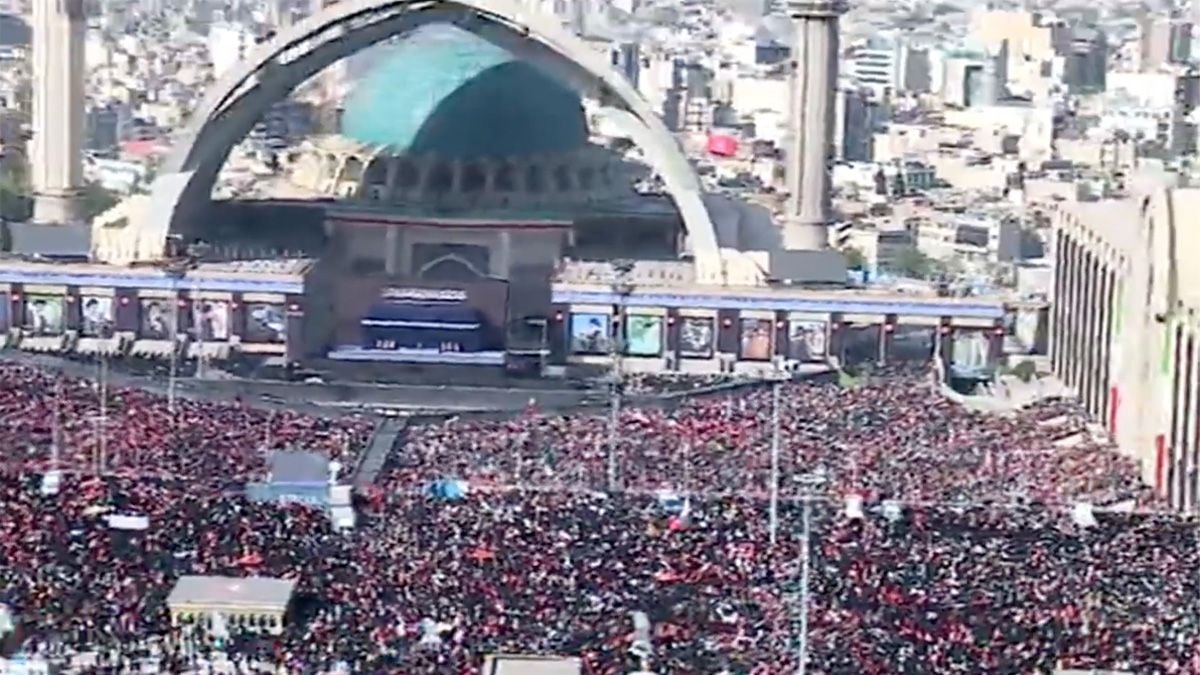
Senior Iranian officials appeared in public on Sunday, 5 July 2026, for the first time since the outbreak of war with the United States and Israel, attending funeral prayers for the late Supreme Leader, Ayatollah Ali Khamenei.
Their appearance, before hundreds of thousands of mourners in Tehran, came as calls grew for the killing of US President Donald Trump, even as some residents and analysts questioned how organic that sentiment truly was.
Officials emerge from hiding
Ayatollah Khamenei, 86, was killed alongside family members and other officials in a US-Israeli airstrike on 28 February 2026, the opening strike of the war. His son and successor, Ayatollah Mojtaba Khamenei, is believed to have been wounded in the same attack.
According to the Associated Press, the appearances of senior figures would have been unthinkable during the war, when Israel targeted officials who surfaced publicly, in at least one case reportedly using such an appearance to locate a target.
Among those present at Sunday's prayers were President Masoud Pezeshkian, Parliament Speaker Mohammad Bagher Qalibaf, and Esmail Qaani, commander of the Islamic Revolutionary Guard Corps (IRGC) Quds Force. General Ahmad Vahidi, head of the IRGC, was also seen, flanked by plainclothes security.
Khamenei's sons Masoud, Meysam and Mostafa, not seen since the war began, also attended. Prayers were led by Ayatollah Jafar Sobhani, a 97-year-old Shiite cleric, at Tehran's Grand Mosalla mosque complex.
Mojtaba Khamenei himself remained absent. He has not appeared publicly since the war began and has communicated with supporters only through written statements.
Calls for revenge against Trump
Posters and graffiti at the Grand Mosalla called for the deaths of Trump and Israeli Prime Minister Benjamin Netanyahu, according to the Associated Press.
Mohammad Rasouli, a poet who addressed the crowd over loudspeakers, asked why "the most bastard man in the world" was still alive, drawing cheers. The Associated Press described it as the funeral's first direct threat to Trump's life by an official.
Gholamreza Sabooni, a 29-year-old grocery worker, told the news agency: "They killed our imam, we should kill their leader, Trump."
Ziba Naderi, a 42-year-old nurse, said Iranians should await instructions from Mojtaba Khamenei on how to respond. "I heard the call for revenge, but our leader should say what we need to do," she said.
Trump, speaking in Washington, D.C. on the same day at events marking the 250th anniversary of the United States' founding, said of the US military campaign against Iran: "We've had tremendous success. You look at Venezuela, you look at Iran. We wiped it out, wiped out their military."
State messaging shapes the narrative
Analysis by Al Jazeera found that Iranian authorities have deliberately woven religious symbolism into the ceremonies to cast retaliation as a duty rather than mere sentiment.
An official slogan, "We must rise", rendered in Arabic as "Rise for God" for regional audiences, was adopted for the ceremonies, drawing on a Quranic verse urging Muslims to stand for a divine cause.
A red banner unfurled over the Grand Mosalla read "O avengers of Hussein", linking Khamenei's killing to the death of the Prophet Muhammad's grandson at Karbala some 1,300 years ago, according to Al Jazeera.
Each foreign delegation before Khamenei's casket also had a tailored Quranic verse read to them by a state-backed eulogist, the broadcaster reported, suggesting a choreographed message aimed at domestic and international audiences alike.
Mourning is not universal
Not all Iranians are taking part. Some Tehran residents told CNN they felt apathy or anger at the disruption caused by the funeral, blaming the late leader for hardships endured under his rule.
Independent outlet Iran International reported that municipal offices and state-linked firms, including a mobile operator, had suspended staff leave and remote work during the funeral period, raising questions over how much attendance was voluntary.
Some residents also expressed scepticism about official turnout figures. One Iran analyst noted that in a country of 90 million people, views of the late supreme leader inevitably vary widely.
Second day draws larger crowds
Sunday's turnout exceeded that of Saturday, 4 July 2026, when the dayslong funeral began, according to CNN. Mourners beat their chests in mourning, a common practice at Shiite funerals, while chanting "Death to America" and "Death to Israel".
Iran's Health Ministry has estimated that some 15 million people will take part in the funeral ceremonies over several days, the semi-official Tasnim News Agency reported. Temporary hospitals have been set up near the Grand Mosalla, with medical teams on standby.
Talks with US on hold
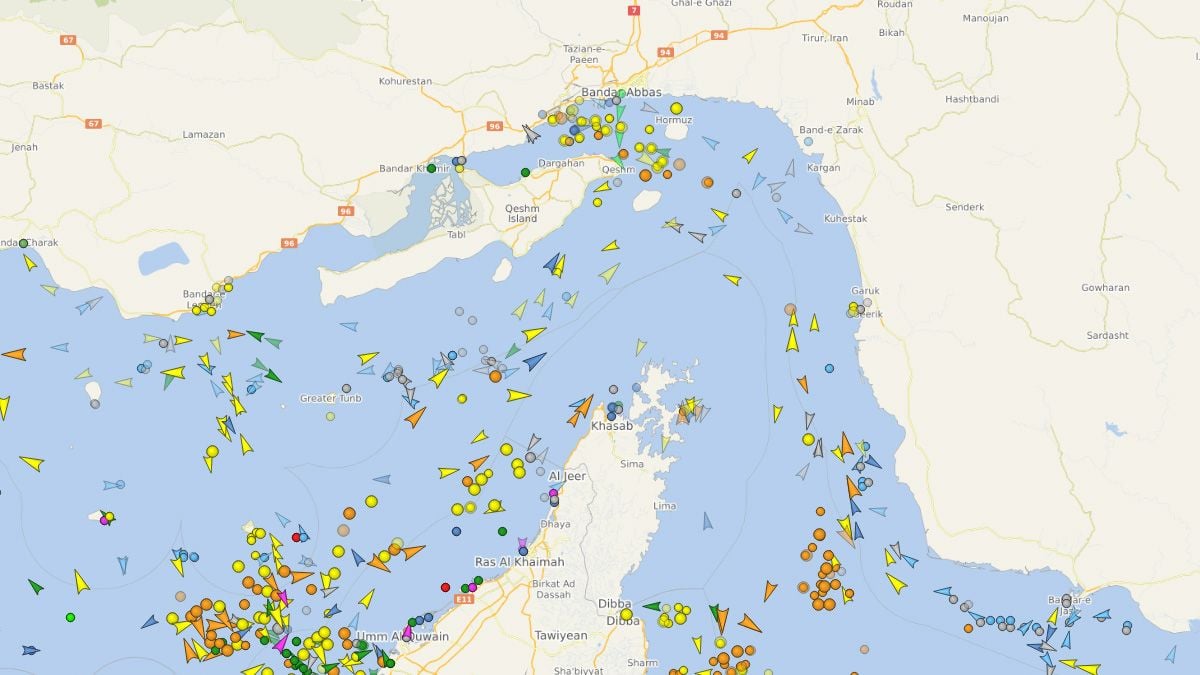
Talks between Iran and the United States over a permanent end to the war, and over Iran's restrictions on shipping through the Strait of Hormuz, have been paused until the funeral concludes, the Associated Press reported.
Iran has used its position on the strait, through which a fifth of the world's oil and gas once passed, as leverage in negotiations. Tracking data cited by CNN showed at least eight ships turning back after attempting to use the waterway on Saturday.
Mourner Mohammad Reza Sharifi said Iran's foreign policy "should not be shaped in a way that allows our martyred leader's blood to be dishonoured", calling for a serious government response to any future threats.
Khamenei's body, along with those of family members killed in the same strike, will be taken through the streets of Tehran on Monday, 6 July 2026. He is due to be buried on Thursday at the Imam Reza shrine in Mashhad, his birthplace.