Malaysia’s Negeri Sembilan crisis deepens as UMNO withdraws support, majority now in doubt
Negeri Sembilan faces a political crisis after 14 UMNO assemblypersons withdrew support for Chief Minister Aminuddin Harun, triggering uncertainty over the state government’s majority and raising questions over leadership amid a royal dispute.
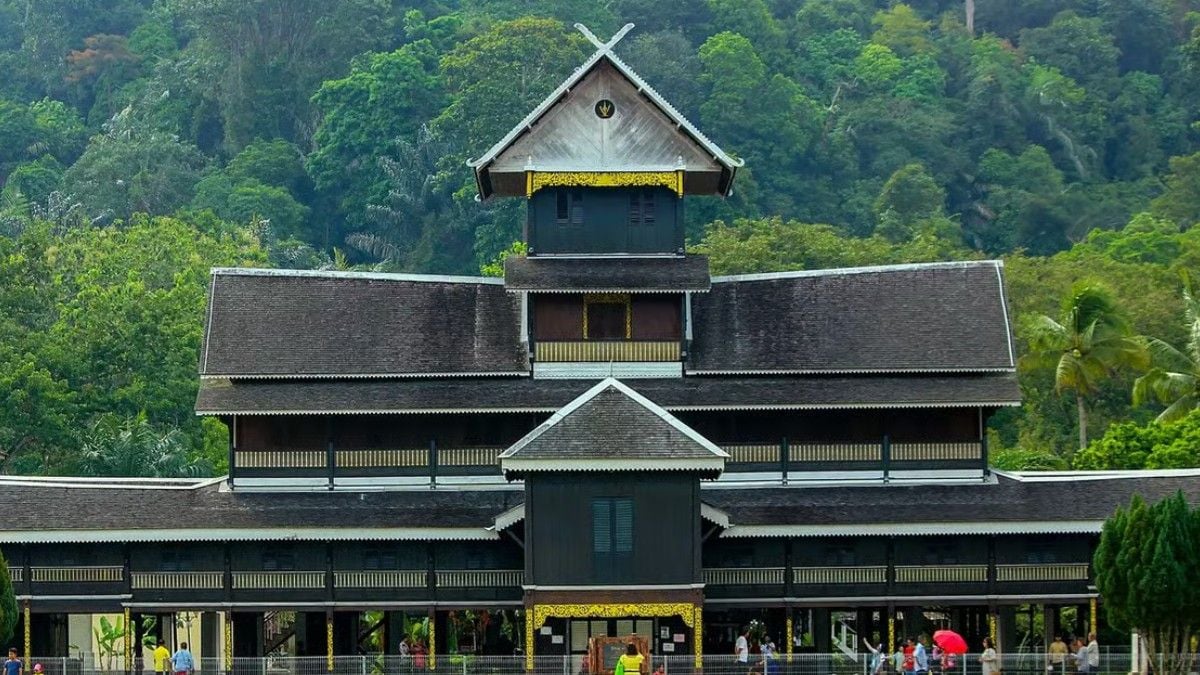
- Fourteen UMNO assemblypersons withdrew support, leaving the chief minister without a clear majority.
- The Prime Minister ruled out immediate dissolution, urging legal and constitutional processes to continue.
- The crisis is linked to a dispute involving Negeri Sembilan’s unique royal selection system.

KUALA LUMPUR, MALAYSIA: Negeri Sembilan has entered a political crisis after all 14 assemblypersons from the United Malays National Organisation (UMNO) withdrew support for Chief Minister Aminuddin Harun.
The move leaves Aminuddin without a clear majority in the 36-seat state assembly, raising uncertainty over the stability of the state government.
Despite the loss of support, Aminuddin said he would continue carrying out his duties until his position is formally determined through constitutional processes.
The withdrawal marks a significant rupture within the ruling coalition, previously formed by Barisan Nasional (BN) and Pakatan Harapan (PH).
Prime Minister rules out immediate dissolution
On 28 April 2026, Prime Minister Anwar Ibrahim said there was no immediate plan to dissolve the Negeri Sembilan State Legislative Assembly.
He said the decision followed advice from the state ruler, Tuanku Muhriz Tuanku Munawir, who instructed that the administration should continue while legal processes take place.
Anwar said discussions with the ruler focused on maintaining government continuity during the unfolding crisis.
He added that all parties should be given time to negotiate in line with Negeri Sembilan’s legal framework, especially on matters involving the appointment and removal of the chief minister.
He noted that such decisions involve the council of four Undang and are not straightforward.
Anwar declined to give a timeline, saying the process requires careful handling within the state’s constitutional system.
Separately, UMNO national chief, Deputy Prime Minister Ahmad Zahid Hamidi said the crisis would be resolved through political means.
He said UMNO had not interfered in the state’s administration or matters involving Negeri Sembilan’s customary laws.
He added that efforts would be made to ensure a stable government capable of addressing public needs.
UMNO state chief explains withdrawal
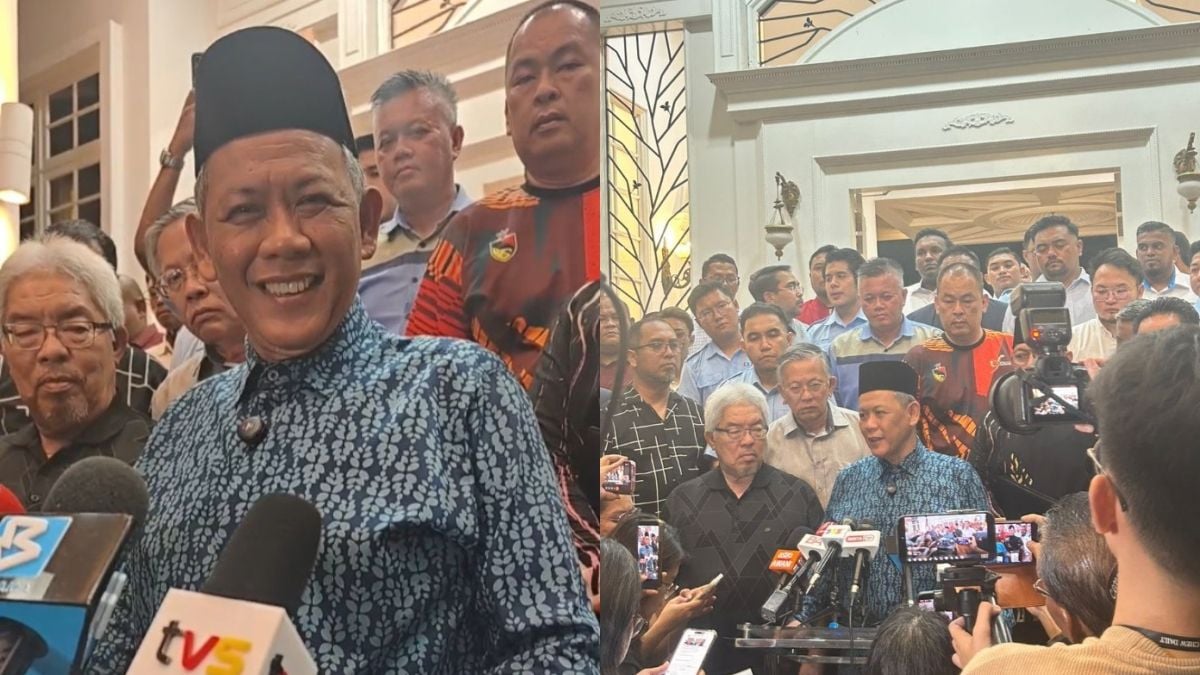
Negeri Sembilan UMNO chairperson Jalaluddin Alias said the decision to withdraw support was made unanimously by all 14 party lawmakers.
He said a formal letter would be submitted to the state assembly speaker and secretary.
Jalaluddin said UMNO remained committed to defending customary institutions, the constitution, and state laws.
He added that the party wanted a stable administration focused on governance, economic management, and public welfare.
He also expressed regret over the situation, saying UMNO representatives in the state executive council were not informed of earlier discussions linked to the royal dispute.
He warned that the crisis could affect administrative stability and governance.
Chief minister to remain in office
Aminuddin later said the state ruler had instructed him to remain in office until the question of majority support is resolved.
He said the state government would continue operating as usual during this period.
Aminuddin is also a vice-president of Parti Keadilan Rakyat, part of the Pakatan Harapan coalition.
Before the withdrawal, PH held 17 seats, UMNO 14, and Perikatan Nasional (PN) five.
A simple majority of 19 seats is required to form the government.
Competing claims over majority
Following the withdrawal, UMNO leaders said they had the backing of PN’s five assemblypersons, potentially giving them enough support to form a new government.
BN later claimed it had sufficient numbers to take control of the administration with PN’s backing.
However, Jalaluddin denied there had been any prior agreement with PN to topple the government.
He said the withdrawal was due to a loss of confidence in Aminuddin’s leadership rather than a coordinated attempt to seize power.
He added that UMNO was prepared to join the opposition if PN chose to support the current administration instead.
Jalaluddin said any offer of support from PN would be discussed, describing such political negotiations as part of the democratic process.
Ahmad Zahid later described the move by the 14 lawmakers as “unilateral”, although he said he had been informed beforehand.
He added that BN and UMNO leadership would review the political implications and decide on next steps.
Royal dispute adds complexity
The political crisis is closely tied to a separate dispute involving Negeri Sembilan’s monarchy.
Unlike most Malaysian states with hereditary rulers, Negeri Sembilan follows the Adat Perpatih system, a matrilineal tradition originating from the Minangkabau region of Indonesia.
Under this system, the ruler is elected by four territorial chiefs known as the Undang.
The Undang also have the authority to remove the ruler under the state constitution.
On 19 April, the four Undang declared that Tuanku Muhriz had been removed from the throne over alleged improper conduct.
They also named Tunku Nadzaruddin Tuanku Ja’afar as successor.
Aminuddin later rejected the declaration, saying it was invalid due to the alleged earlier dismissal of one of the Undang under customary procedures.
This position drew criticism from the Undang, who said Aminuddin was no longer fit to lead the state administration.
Crisis linked to royal issue
Jalaluddin said UMNO’s withdrawal of support was linked to the royal dispute, which had escalated after drawing national attention.
He said BN respects customary institutions and would not interfere in matters involving the monarchy.
Anwar urged all parties to handle the issue carefully and to uphold the dignity of the royal institution.
He said constitutional matters must be resolved according to legal processes and cautioned against statements that could undermine the system.
The Prime Minister also said the chief minister had been instructed to continue his duties in the interest of the state and its people.
He added that any decision on dissolving the assembly ultimately rests with the ruler and the legislative assembly.
For now, authorities are prioritising stability while allowing constitutional mechanisms to determine the outcome of the crisis.