Malaysia's Negeri Sembilan calls snap election after political crisis, with vote due by early August 2026
Negeri Sembilan's legislative assembly will be dissolved on 5 June 2026, triggering a snap election more than two years ahead of schedule. The move follows a political crisis involving the state monarchy and the withdrawal of support from 14 UMNO assemblypersons.
- Negeri Sembilan's assembly will be dissolved on 5 June 2026, triggering a state election by 4 August 2026.
- The snap polls follow a political crisis involving the state monarchy and a challenge to Aminuddin Harun's leadership.
- Political attention is focused on whether voter sentiment has shifted since previous state elections and ahead of future national contests.

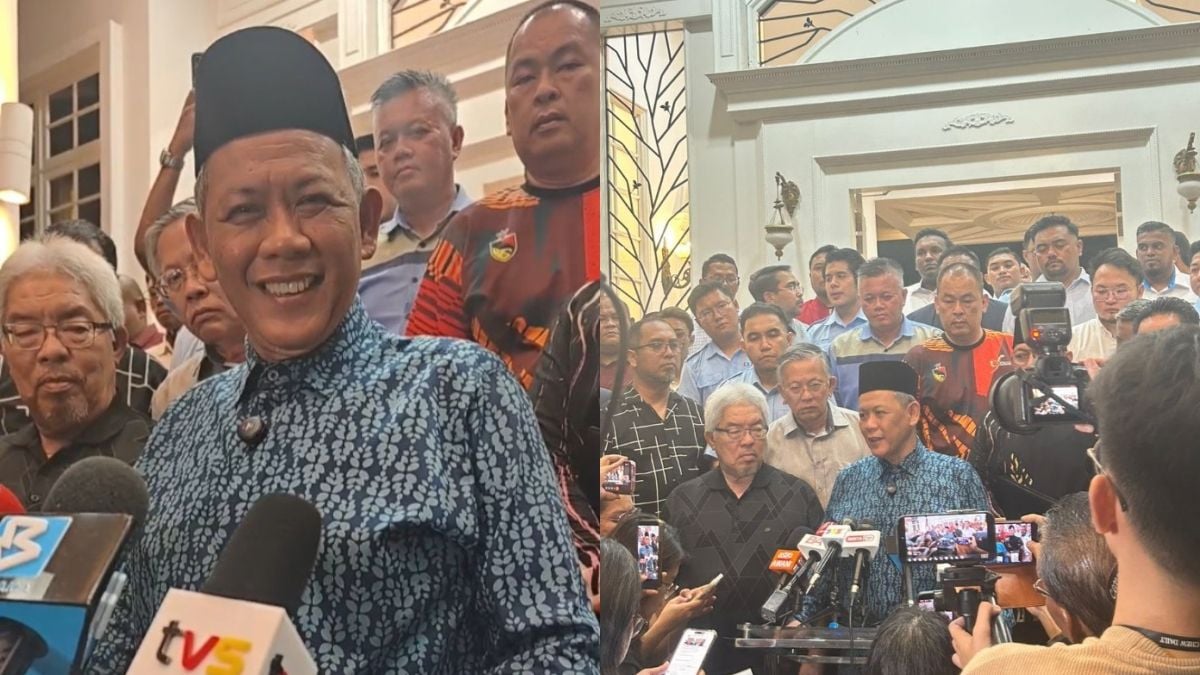
KUALA LUMPUR, MALAYSIA: Negeri Sembilan will head to snap state elections after Chief Minister Aminuddin Harun announced that the state legislative assembly will be dissolved on 5 June 2026, more than two years before the end of its term.
The announcement was made during a hastily arranged press conference late on 4 June after state ruler Tuanku Muhriz Tuanku Munawir consented to the dissolution request.
“The assembly will be dissolved effective tomorrow, Jun 5,” Aminuddin told local media.
He rejected suggestions that the move was unexpected.
“There is nothing surprising about this dissolution; people have already known about it since Wednesday. I am just confirming it today,” he said.
Aminuddin said the decision was intended to allow voters to determine the state's political future.
“We believe we need to return the mandate to the people to decide the future of Negeri Sembilan,” he said.
State election due within 60 days
Under Malaysian election laws, the Election Commission must call a state election within 60 days of the dissolution.
As a result, the 16th Negeri Sembilan state election must be held no later than 4 August 2026.
The dissolution comes significantly earlier than expected. The assembly's term was originally due to expire in November 2028, while the previous state election was held on 12 August 2023.
Aminuddin also revealed that Pakatan Harapan (PH) intends to contest all 36 seats in the assembly and has already finalised seat allocations among coalition partners.
He added that Prime Minister Anwar Ibrahim, who also chairs PH, had an audience with Tuanku Muhriz on 3 June regarding the planned dissolution.
Political crisis in the background
The snap polls take place against the backdrop of an intense political crisis that has unsettled the state administration in recent months.
Negeri Sembilan is governed through a cooperation arrangement between PH and Barisan Nasional (BN), mirroring the federal unity government model.
Before dissolution, the 36-seat assembly comprised 17 representatives from PH, 14 from the United Malays National Organisation (UMNO), and five from opposition coalition Perikatan Nasional (PN).
To command a majority in the assembly, a coalition requires at least 19 seats.
The stability of the administration came into question on 27 April when all 14 UMNO assemblypersons announced that they were withdrawing support for Aminuddin.
The move was linked to disagreements over Aminuddin's handling of a constitutional and royal dispute involving the state monarchy.
The withdrawal effectively deprived Aminuddin of majority backing in the assembly. However, the UMNO representatives later stated that they would continue cooperating within the state administration.
Anwar subsequently called for continuity in government operations and urged Aminuddin to continue carrying out his duties.
Royal dispute sparks tensions
At the centre of the crisis is Negeri Sembilan's unique monarchy system.
Unlike other Malaysian states, the ruler is elected by four territorial chiefs known as Undangs rather than inheriting the throne through direct hereditary succession.
The Undangs possess the unusual authority to both elect and remove the state's ruler.
On 19 April, the four Undangs reportedly attempted to remove Tuanku Muhriz, alleging misconduct and seeking to replace him with Tunku Nadzaruddin Tuanku Ja'afar, the son of a previous ruler.
The move was widely regarded as unprecedented.
A day later, Aminuddin rejected the attempt and declared it invalid, arguing that one of the four Undangs had already been removed from office and therefore could not participate in such a decision.
The dispute quickly evolved into a wider political issue.
When announcing their withdrawal of support, the UMNO assemblypersons cited the royal controversy while stressing that they respected the constitution and customary institutions and would not interfere in related matters.
Emergency meeting and election preparations
Speculation about an early election intensified earlier in the week after PH leaders and state assemblypersons reportedly gathered for what local media described as an emergency meeting at Aminuddin's official residence.
The developments followed Johor's decision on 1 June to dissolve its own legislative assembly.
Johor Chief Minister Onn Hafiz Ghazi said the move was intended to allow the democratic process to proceed through the Election Commission.
Attention is now expected to focus on whether political support has shifted since Johor's last election in 2022, when BN secured a two-thirds majority.
Malaysia PM Anwar dismisses snap general election speculation
The political developments have fuelled wider speculation about the timing of Malaysia's next general election.
Earlier on 4 June, Anwar dismissed suggestions that Parliament could soon be dissolved to allow a nationwide election to coincide with upcoming state polls.
The Prime Minister emphasised that the federal government's priority remained governance rather than election preparations.
“I’m focusing on my job. The problem is some of these people don’t think of this. We should focus on the job,” Anwar said.
Meanwhile, attention has also turned to political stability in Perlis, where state ruler Tuanku Syed Sirajuddin Jamalullail publicly urged lawmakers to support Chief Minister Abu Bakar Hamzah until the end of the current assembly term.
The ruler warned that political instability could undermine investor confidence and urged assembly members to prioritise public interests over political disputes.