Malaysia may be emerging as new base for regional scam syndicates, anti-trafficking NGO warns
A Malaysian anti-trafficking NGO has warned that international scam syndicates driven out of Cambodia, Laos and Myanmar may be relocating to Malaysia. The group claims to have identified two suspected operational sites and plans to submit evidence to police authorities.

- MHO claims international scam syndicates are relocating operations to Malaysia following regional crackdowns.
- A former scam centre worker described exploitative conditions and sophisticated online investment scams targeting foreign victims.
- MHO plans to lodge reports with authorities and urges vigilance over suspicious overseas job offers.

KUALA LUMPUR, MALAYSIA: A Malaysian non-governmental organisation involved in rescuing victims from scam compounds in Myanmar and Cambodia has warned that international scam syndicates may be shifting part of their operations to Malaysia as enforcement pressure increases across Southeast Asia.
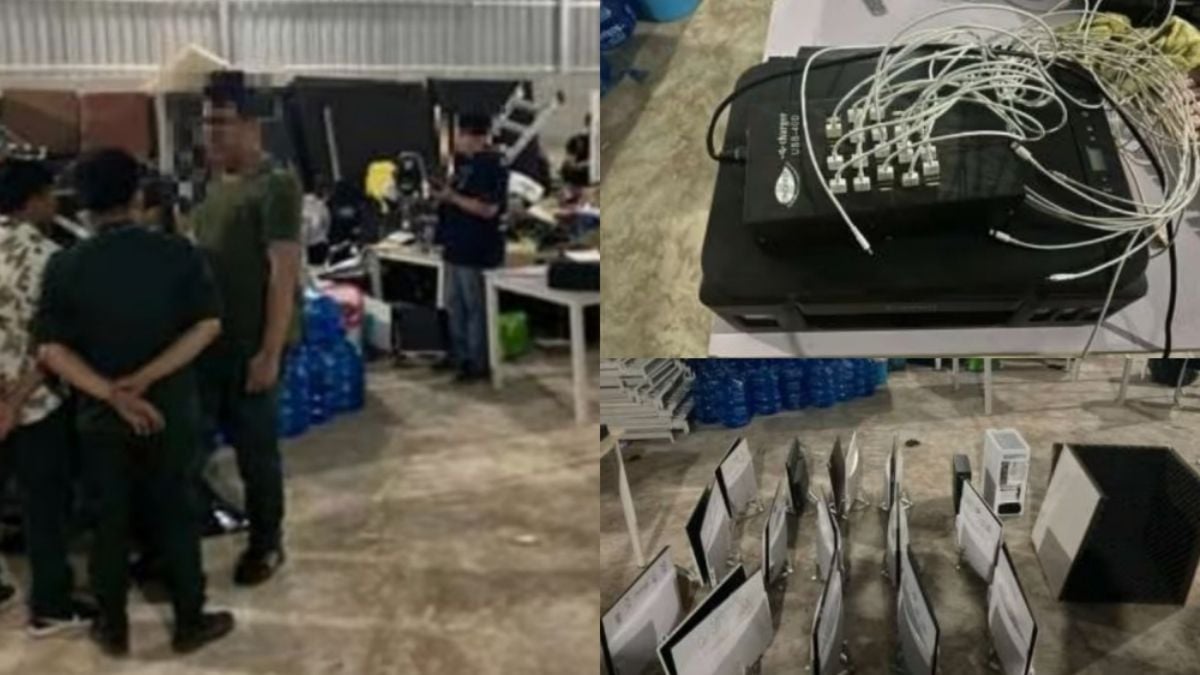
The Malaysian Humanitarian Organisation (MHO) said it had identified at least two locations within Malaysia that it believes are linked to scam syndicate activities.
Speaking at a press conference on 2 June 2026, MHO secretary-general Datuk Hishamuddin Hashim said the suspected networks were allegedly connected to criminal groups originating from China and appeared to be relocating following intensified regional crackdowns on scam compounds and human trafficking operations.
According to Hishamuddin, the syndicates may have been operating discreetly from the identified locations for more than six months.
"These syndicates are believed to have relocated and operated discreetly from these locations for more than six months," he said.
He added that the organisations may have chosen Malaysia in an effort to avoid detection by authorities after enforcement agencies across the region increased pressure on scam compounds.
Growing regional enforcement pressure
Hishamuddin said the relocation appeared to coincide with stronger enforcement efforts in Cambodia, Laos and Myanmar, as well as actions undertaken by international agencies, including the United States Federal Bureau of Investigation (FBI).
Although declining to reveal the suspected locations publicly, he said the information would be submitted to the police for further investigation.
"It is deeply embarrassing that Malaysia is now being used as a haven for scammers after years of efforts to rescue victims from Myanmar and Cambodia," he said.
"Before foreign parties or international agencies expose this issue and tarnish the country's reputation, it is better that we reveal it ourselves first."
MHO said it would lodge an official complaint once it had completed verification of the suspected centres and urged authorities to take swift action.
Former worker recounts ordeal
The concerns raised by MHO were echoed by a former scam centre worker known only as Rex, who described spending nearly two years working for a syndicate after accepting what he believed was a legitimate overseas job offer.
Rex said he left Malaysia in April 2024 after being offered what appeared to be a customer service position in Dubai with a monthly salary ranging from US$5,000 (about RM19,800) to US$8,000 (about RM31,700).
Instead, he was eventually transported to Laos, where he discovered he had been recruited into a scam operation.
"The operation employed hundreds of workers of various nationalities, including Africans, Indonesians and Malaysians, with many supervisors originating from China," he said.
According to Rex, workers were housed inside heavily guarded compounds and were required to work up to 13 hours daily.
He alleged that additional overtime was imposed when workers failed to meet targets set by the syndicate.
"The salary they promised never existed. Food, accommodation and daily expenses were deducted from our wages. Many workers ended up with almost nothing," he said.
How the scams operated
Rex said the syndicate primarily conducted online investment scams and task-based fraud schemes targeting victims overseas.
Under the model described, victims were encouraged to complete simple online tasks and invest small amounts of money.
Initial transactions generated returns, creating the impression that the platforms were legitimate.
"The first few transactions are designed to build trust. Once victims believe the platform is real, they are encouraged to invest larger amounts."
"That is when they lose everything."
Workers were reportedly provided with scripts and instructed to communicate with potential victims online, particularly individuals in Europe and other regions.
Rex claimed employees who failed to recruit sufficient victims or generate enough profits faced salary deductions and other forms of punishment.
He also alleged that workers seeking to leave were frequently told to pay large sums of money before being allowed to return home.
In some cases, he said, the demanded payments reached RM60,000.
Personal losses
After nearly two years, Rex eventually returned to Malaysia in April. However, he said the experience left him financially devastated.
"My house was repossessed. My car was repossessed. I came home with nothing," he said.
His account reflects a pattern commonly reported by victims of scam compounds across Southeast Asia, where individuals are allegedly lured by attractive job offers before becoming trapped in criminal operations.
Authorities urged to act
Hishamuddin said MHO would continue gathering evidence and would formally report the suspected centres to law enforcement authorities.
He also urged Malaysians to exercise caution when considering overseas employment opportunities offering unusually high salaries despite requiring few qualifications.
"A legitimate employer will issue an offer letter, process work permits and arrange the necessary visas through official channels," he said.
"If those procedures are absent, it should be treated as a warning sign."
The organisation also appealed to members of the public with information on suspicious recruitment activities or alleged scam operations to come forward.
Hishamuddin said whistleblowers would be able to provide information confidentially.
Recent domestic enforcement
The allegations come amid growing concerns that organised scam syndicates are relocating operations across Southeast Asia as authorities intensify crackdowns on scam compounds in Cambodia, Myanmar and other regional hotspots.
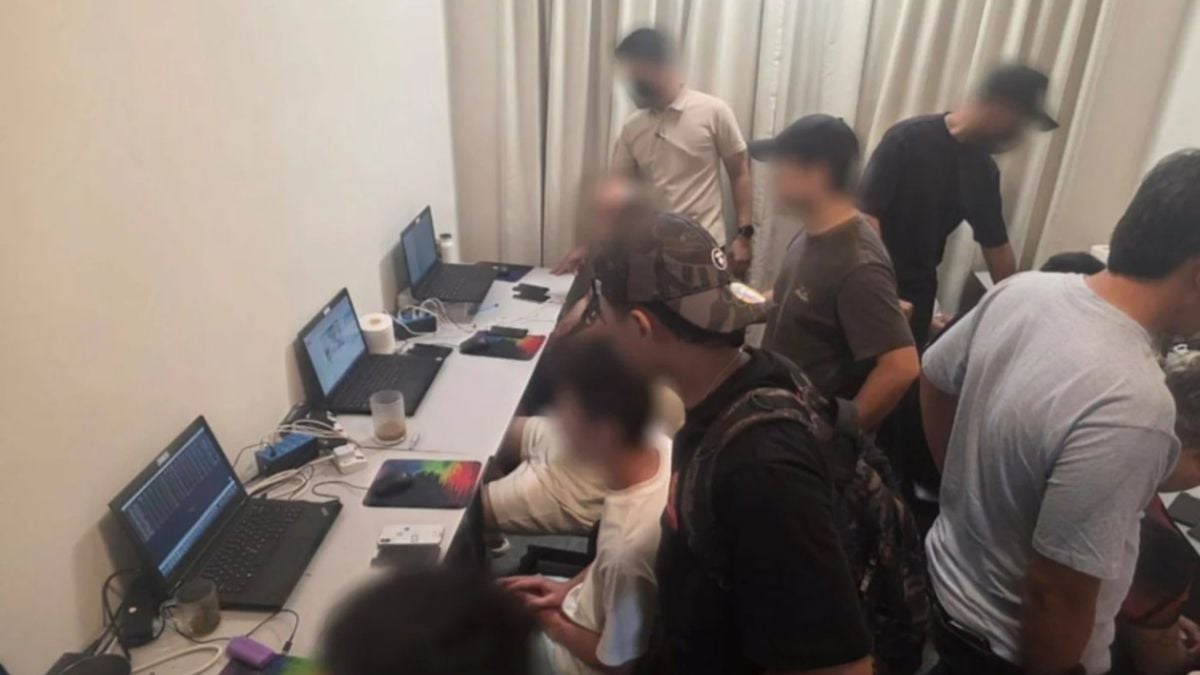
Malaysian authorities have recently uncovered several scam centres allegedly targeting victims in countries including Italy, Singapore, China, Indonesia and Spain, raising fears that the country is becoming an alternative base for transnational fraud networks.
Recent raids in Perak, Selangor, Johor and Kelantan have resulted in more than 100 arrests, most involving foreign nationals suspected of links to cryptocurrency investment scams, romance scams and fraudulent job schemes.
In one case, police in Johor dismantled an alleged scam syndicate accused of targeting victims in Spain through fake online recruitment offers.
Authorities arrested 35 Chinese nationals and said the group used artificial intelligence-powered translation tools, messaging applications and scripted conversations to facilitate the fraud.