Malaysia PM Anwar dismisses snap general election speculation as Johor heads to state polls
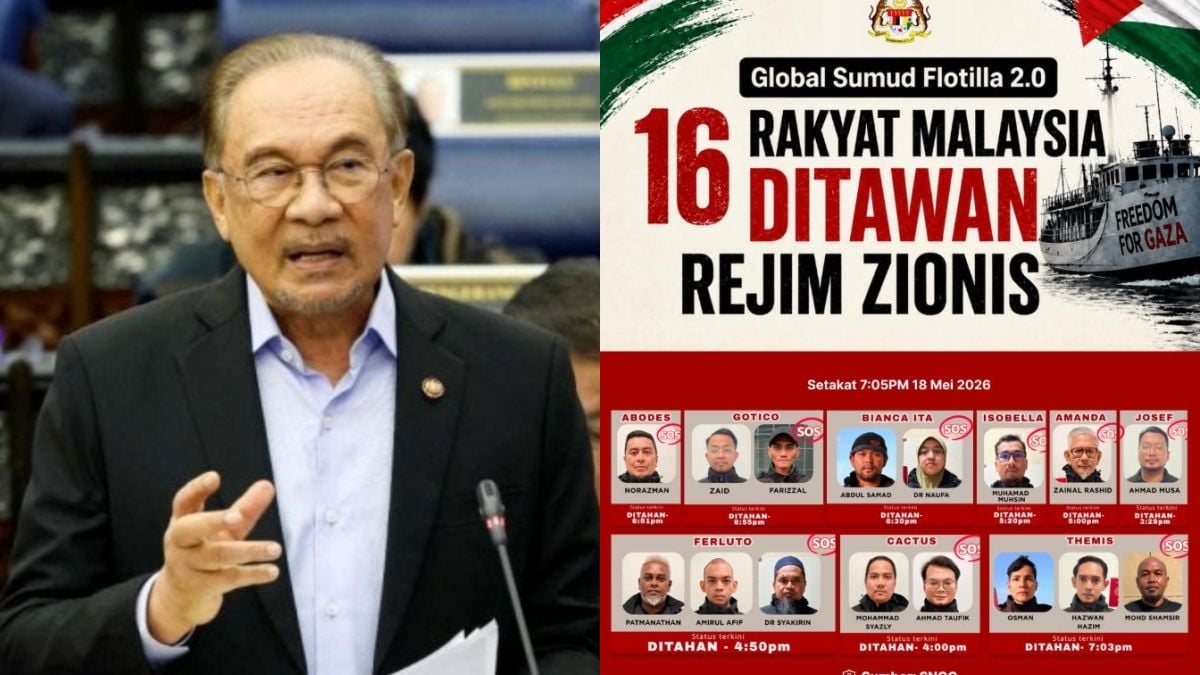
Prime Minister Anwar Ibrahim has dismissed speculation of an early Malaysian general election following Johor's state assembly dissolution. He said the unity government remains focused on governing, despite growing political chatter over a possible GE16 and recent defections from PKR.
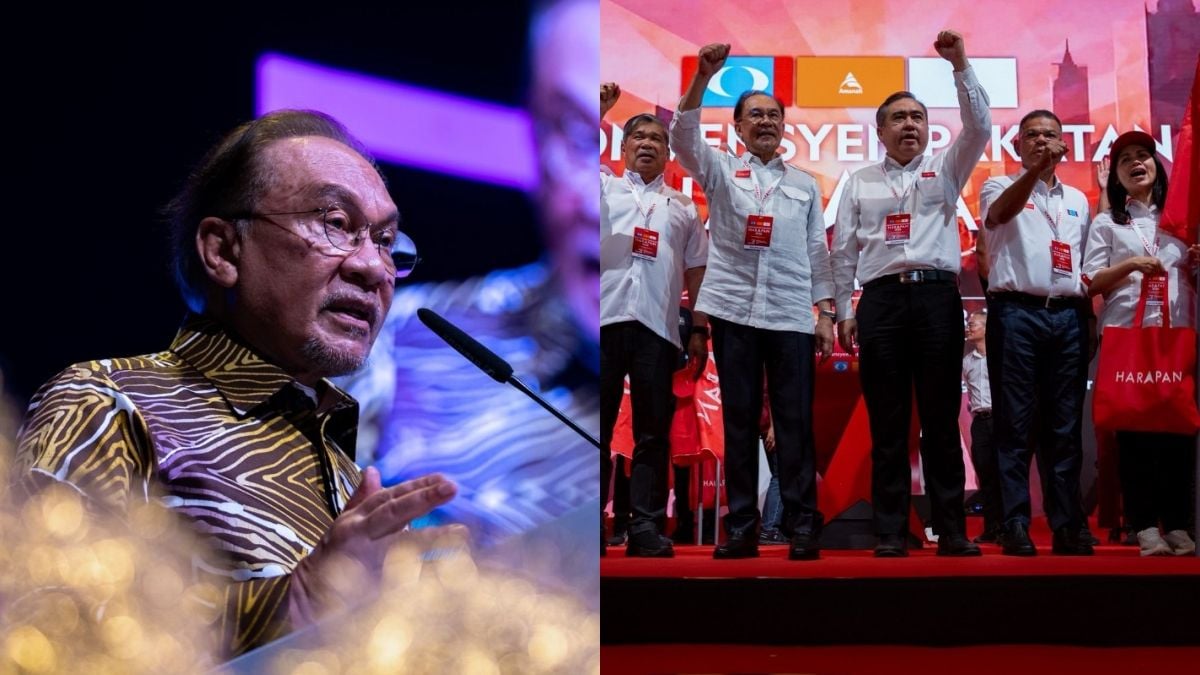
- Anwar Ibrahim dismissed rumours of a snap general election being held alongside Johor's state polls.
- He said the unity government remains focused on governance rather than election planning.
- Speculation persists despite GE16 not being constitutionally due until February 2028.

KUALA LUMPUR, MALAYSIA: Prime Minister Anwar Ibrahim has dismissed speculation that Parliament could be dissolved to pave the way for Malaysia's 16th General Election (GE16) to be held concurrently with the upcoming Johor state election.
Speaking to reporters on the sidelines of the Energy Transition Conference 2026, Anwar said the federal government's priority remains governing the country rather than preparing for a national poll.
His comments came days after the Johor state legislative assembly was dissolved on 1 June, triggering a state election that must be held within 60 days.
Johor dissolution fuels election speculation
Anwar, who also chairs Pakatan Harapan (PH), was asked whether the dissolution of the Johor assembly could be followed by the dissolution of Parliament to allow simultaneous state and federal elections.
He rejected the suggestion and stressed that decisions on state assembly dissolutions are made by the respective state governments.
“That is the Johor government's decision. We are focused on our work,” he said, according to Berita Harian.
Anwar later reiterated that the federal administration remained committed to carrying out its responsibilities.
“I’m focusing on my job. The problem is some of these people don’t think of this. We should focus on the job,” he said.
The remarks are likely to cool growing political speculation that the government could seek an early mandate in the second half of 2026 by aligning GE16 with state polls in Johor and Melaka.
Johor voters to return to the polls
Johor Chief Minister Onn Hafiz Ghazi previously said the state assembly's dissolution was intended to allow voters to elect a new state government and provide a fresh mandate for the state's development plans.
The upcoming contest will be closely watched as one of the most significant state elections since the 2022 Johor polls.
In that election, Barisan Nasional secured a commanding victory, winning 40 of the state's 56 seats. Pakatan Harapan won 12 seats, Perikatan Nasional captured three seats, while Muda secured one seat.
Attention is expected to focus on whether the political landscape has shifted since then and how parties position themselves ahead of future national contests.
Questions over federal political stability
Anwar's latest remarks also come amid renewed scrutiny of political dynamics within the ruling coalition.
Recent high-profile defections involving former Economy Minister Rafizi Ramli and former Natural Resources and Environmental Sustainability Minister Nik Nazmi Nik Ahmad have fuelled discussion over the stability of the governing alliance.
Both politicians left PKR and subsequently moved to take over Parti Bersama Malaysia, prompting speculation about potential implications for the broader political landscape.
In May, Anwar acknowledged that he could consider a snap general election if tensions within the ruling coalition were to intensify.
However, he has repeatedly maintained that the government's primary focus is on administration and policy delivery rather than electoral calculations.
Unity government retains parliamentary majority
Malaysia's current Parliament is not required to face elections until February 2028.
Anwar became Malaysia's 10th prime minister on 24 November 2022 after the country's 15th General Election produced its first hung Parliament.
No coalition secured a simple majority in the 222-seat Dewan Rakyat, leading to negotiations among political parties to form a government.
Pakatan Harapan emerged as the largest coalition with 82 seats, followed by Perikatan Nasional with 73 seats.
Barisan Nasional won 30 seats, while Gabungan Parti Sarawak secured 23 seats and Gabungan Rakyat Sabah obtained six.
Support from East Malaysian parties and several smaller groups enabled Anwar to assemble a governing coalition backed by 148 lawmakers.
Today, the unity government is anchored by Pakatan Harapan, Barisan Nasional, Gabungan Parti Sarawak, Gabungan Rakyat Sabah and several regional parties.
Pakatan Harapan comprises Parti Keadilan Rakyat, the Democratic Action Party, Parti Amanah Negara and other component parties.