Malaysia PM hints at snap election as tensions grow within ruling coalition
Malaysian PM Anwar Ibrahim has raised the prospect of a snap general election after Barisan Nasional declared it would contest Johor polls alone, deepening tensions within Malaysia’s unity government and fuelling speculation of an early national vote.

- Anwar Ibrahim warned that Malaysia could face a snap general election amid tensions with Barisan Nasional.
- Barisan Nasional plans to contest all 56 Johor state seats without cooperation from Pakatan Harapan.
- Strains between the ruling coalitions have intensified over state politics, electoral disputes and leadership disagreements.

JOHOR BAHRU, MALAYSIA: Prime Minister Anwar Ibrahim has signalled that Malaysia could face a snap general election as tensions deepen within the country’s unity government over Barisan Nasional’s decision to contest upcoming state polls independently.
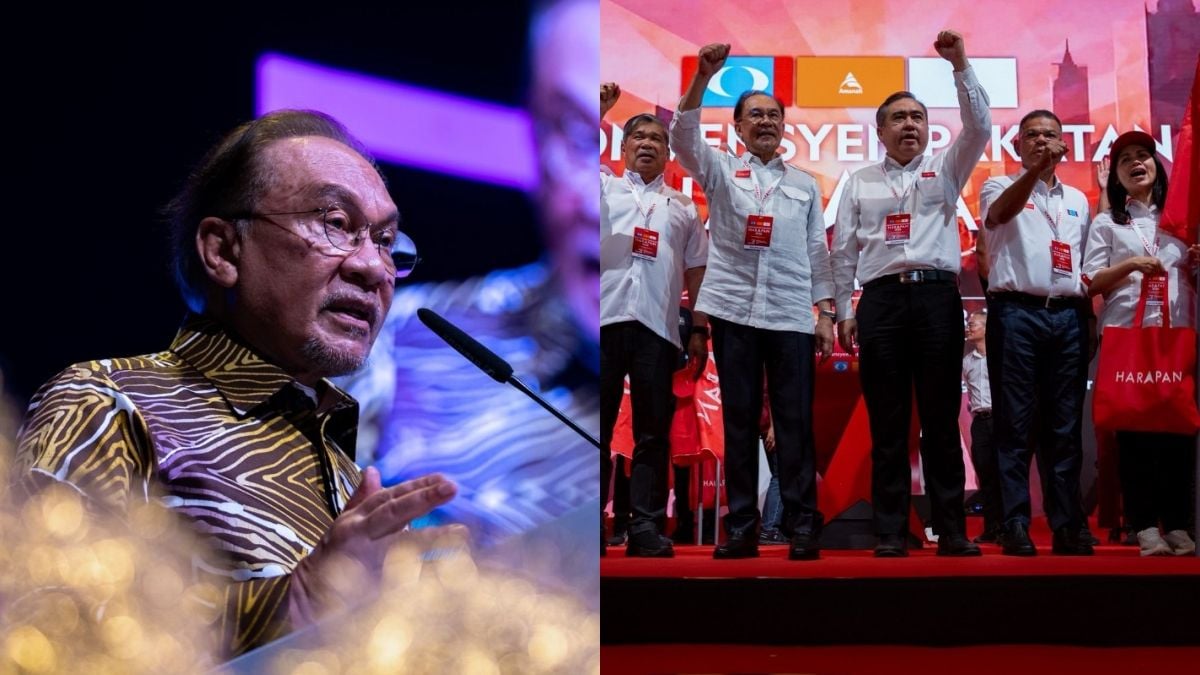
Speaking at a Pakatan Harapan convention in Johor Bahru on 17 May 2026, Anwar said his coalition was prepared to respond forcefully after Barisan Nasional (BN) announced plans to contest all seats in the next Johor state election without cooperation from Pakatan Harapan (PH).
“Now we are hearing that UMNO and Barisan Nasional intend to contest all seats in Johor. I am not surprised,” said Anwar, who is also PH chairman.
“But if they choose confrontation in Johor, then our answer must also be firm.”
Anwar said he would convene PH leaders soon to discuss whether the coalition should consider returning the mandate to voters through a nationwide election.
“In the near future, I will call Pakatan Harapan leaders to discuss whether we should consider a nationwide general election,” he said.
“If they choose war, then we will fight seriously.”
Growing strains within the unity government
The remarks marked Anwar’s clearest indication yet that political cooperation between PH and BN could be under severe strain despite both blocs serving together in the federal administration.
PH comprises Parti Keadilan Rakyat (PKR), the Democratic Action Party (DAP), Parti Amanah Negara (Amanah) and several smaller parties.
The coalition forms the backbone of Malaysia’s unity government alongside BN, Gabungan Parti Sarawak (GPS), Gabungan Rakyat Sabah (GRS) and other regional parties.
The unity government was formed after the 2022 general election produced a hung parliament, with no coalition securing a simple majority.
PH won 82 parliamentary seats, while Perikatan Nasional (PN), led by Muhyiddin Yassin, secured 73 seats.
BN won 30 seats, while GPS obtained 23 seats and GRS secured six. Support from East Malaysian blocs and several smaller parties eventually enabled Anwar to command the backing of 148 lawmakers in the 222-seat parliament.
Anwar was sworn in as Malaysia’s 10th prime minister on 24 November 2022.
Johor dispute escalates
Political tensions escalated after Johor Chief Minister Onn Hafiz Ghazi announced on 16 May that BN would contest all 56 seats in the next Johor state election without entering alliances with other coalitions.
The move fuelled speculation that BN intends to increasingly distance itself from PH despite their federal cooperation.
BN chairman Ahmad Zahid Hamidi had earlier indicated the coalition was leaning towards contesting future elections independently.
“In the coming election, I am almost certain we will go solo,” Ahmad Zahid said in a recent interview.
“But we should not dismiss the need for an understanding with other party coalitions.”
In his speech, Anwar suggested that unilateral electoral moves by BN could amount to a breach of trust within the unity government.
“Do not threaten us or move toward betrayal,” he said.
“That is why I agree with the suggestion: if they truly believe the time has come in certain states, then perhaps we should return the mandate to the people and let them decide.”
Anwar added that if the government was perceived as “tired and exhausted”, then voters should determine the administration’s future through elections.
“I am ready,” he said.
Convention signals election preparations
Sunday’s convention, attended by around 5,000 delegates and party leaders, was PH’s first major gathering in four years.
The event has intensified speculation that both PH and BN are quietly preparing for possible early elections at either state or federal level.
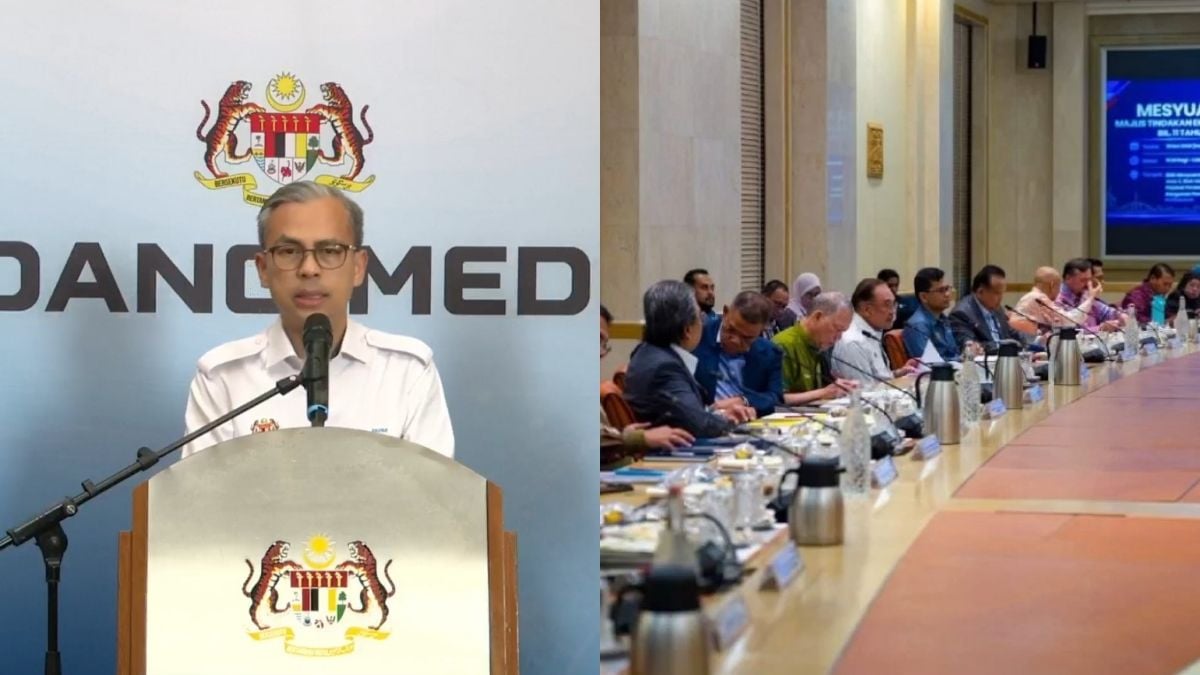
Earlier, PH communications director Fahmi Fadzil described the convention as the coalition’s “first beating of war drums”.
He said Anwar’s speech would provide “a clearer picture of PH’s direction” amid growing speculation over elections in Johor and Melaka.
Malaysia’s next general election must be held by February 2028, although political observers have increasingly speculated that polls could be called earlier.
Media reports have suggested election timing may depend partly on the government’s handling of fuel subsidy reforms amid global energy pressures.
Anwar defends reform pace
Anwar also used his speech to defend the pace of reforms pursued under his administration, saying compromises were necessary to preserve political stability within the coalition government.
“We listen. We make adjustments,” he said.
“Some programmes had to be delayed after considering all views. If reform were to move at full speed, many things should have already been done.”
“But sometimes we move carefully because we want strength to remain solid, and we want the government to stay stable.”
He added that political stability remained essential for maintaining peace and governance.
“There is no reason for us to split apart — unless we are betrayed,” Anwar said.
The prime minister also stressed that PH had historically honoured coalition agreements, including during its previous alliance with Parti Islam Se-Malaysia (PAS) under the Pakatan Rakyat coalition between 2008 and 2015.
“If there are people who want to launch a war against us, we are ready to fight,” he said.
“But we will act wisely.”
Recent disputes deepen coalition tensions
Relations between PH and BN have deteriorated in recent months over several state-level disputes.
In April, 14 UMNO assemblymen in Negeri Sembilan reportedly withdrew support for Chief Minister Aminuddin Harun over his handling of an issue involving the state monarchy.
Aminuddin is a PKR vice-president.
The coalitions have also clashed in Johor over BN’s proposal to appoint five unelected assemblymen and PH’s push for electoral boundary redelineation in densely populated constituencies.
Additional speculation emerged after Ahmad Zahid proposed greater cooperation among Malay-Muslim political parties, a move widely interpreted as signalling openness to future collaboration between UMNO and PAS.
PAS currently forms part of the federal opposition under Perikatan Nasional.
Despite the tensions, Anwar highlighted what he described as positive achievements under his administration, including economic growth, investment inflows, lower unemployment and easing inflation.
“Sometimes even our own friends are too busy responding to political attacks that they forget to explain what has actually been done,” he said.
“Programmes to eradicate poverty, attract investments, curb inflation, reduce unemployment and expand training surpass previous years.”
Uncertainty over election timing
Johor’s next state election is officially due only by mid-2027, while Melaka’s polls are expected by early 2027.
Negeri Sembilan, Selangor and Penang — all governed by PH — are not required to hold elections until October 2028.
Pahang, which is governed by BN, must hold elections by February 2028.
Despite this, speculation has intensified that early polls could be triggered in several states.
Political analysts have suggested BN may seek elections sooner while support for PH appears vulnerable in several constituencies.
Recent media reports citing internal PKR assessments indicated concerns over competitiveness in several seats, including Anwar’s own Tambun parliamentary constituency.
However, some PH leaders have argued the coalition is now more politically consolidated after nearly three years in government.
PKR vice-president Amirudin Shari said PH was in a stronger position to face future elections than opposition coalition PN, which has reportedly experienced internal tensions between PAS and Bersatu.