Malaysian coalition parties reaffirm support for Anwar amid snap election speculation, says spokesperson
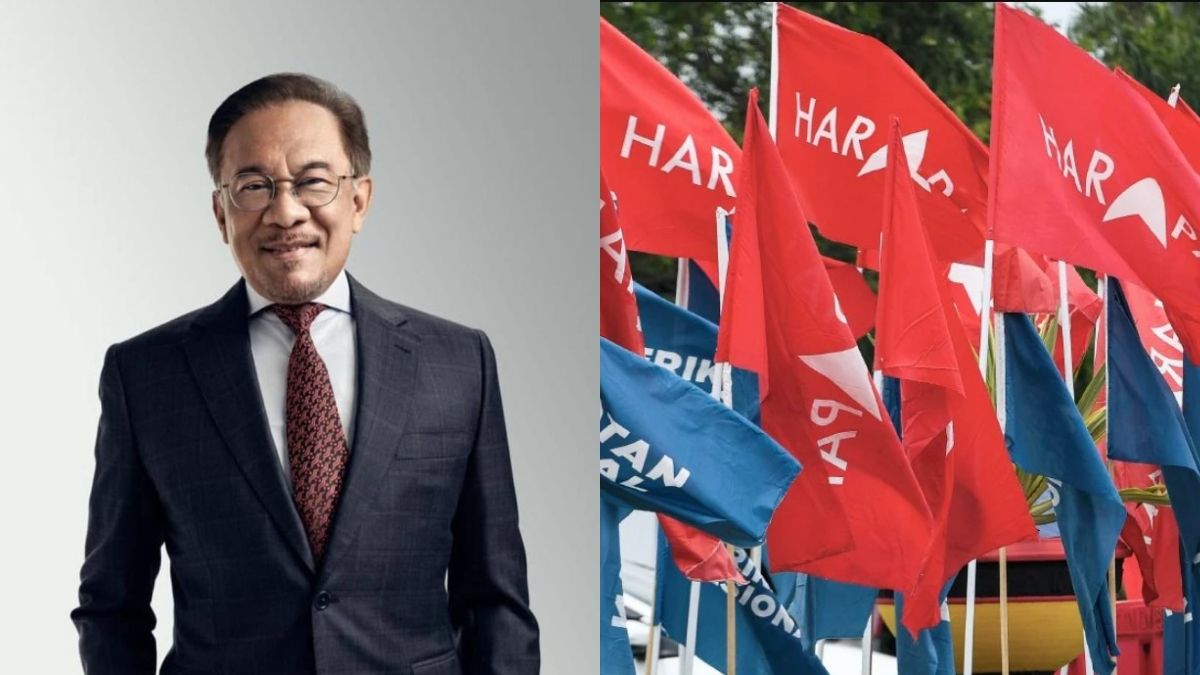
Malaysia’s unity government partners have reaffirmed support for Prime Minister Datuk Seri Anwar Ibrahim despite mounting speculation of a snap general election following the resignation of two senior lawmakers from Parliament and the federal Cabinet.
- Unity government coalition parties reaffirmed support for Prime Minister Datuk Seri Anwar Ibrahim until the current term ends.
- Cabinet discussions focused on parliamentary preparations and fiscal expenditure restructuring rather than political resignations.
- Political uncertainty intensified after Rafizi Ramli and Nik Nazmi Nik Ahmad left PKR and Parliament to join Parti Bersama Malaysia.

KUALA LUMPUR, MALAYSIA: Malaysia’s unity government coalition partners have reaffirmed their support for Prime Minister Datuk Seri Anwar Ibrahim amid intensifying speculation over a possible snap general election following the resignation of two senior lawmakers from Parliament.
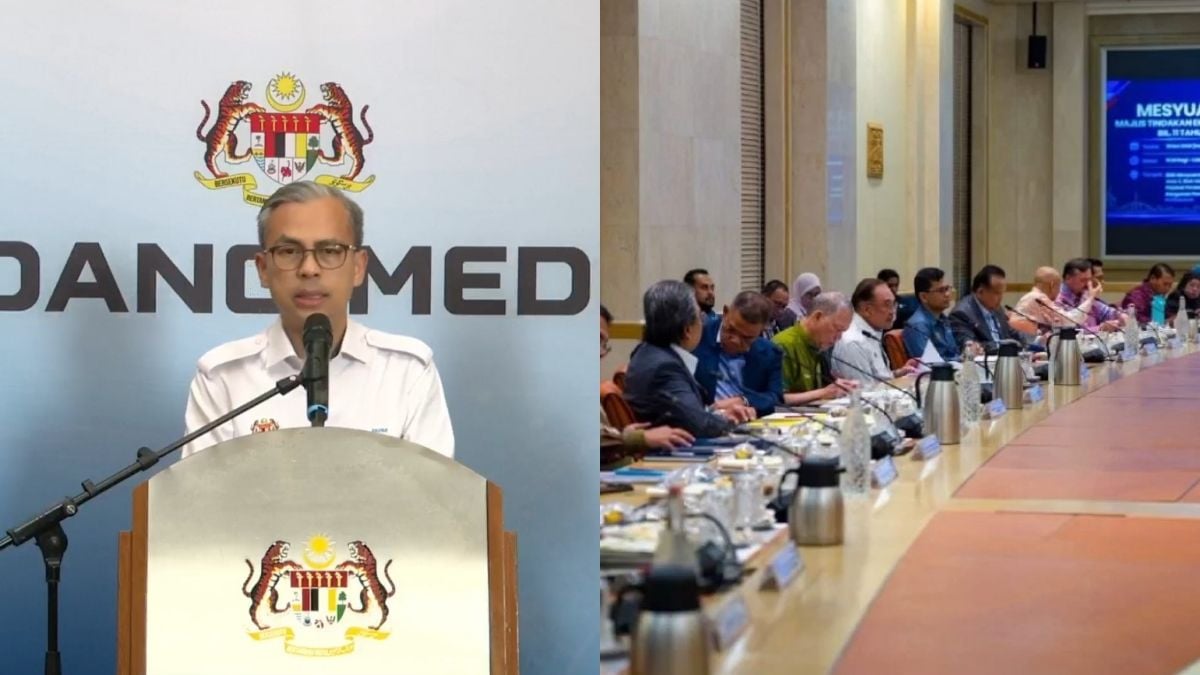
Government spokesperson and Communications Minister Datuk Fahmi Fadzil said on 20 May 2026 that Anwar informed the Cabinet that Barisan Nasional (BN), Gabungan Parti Sarawak (GPS) and Gabungan Rakyat Sabah (GRS) had pledged to remain with the administration until the current parliamentary term concludes.
Fahmi said the Prime Minister expressed appreciation during the Cabinet meeting for the continued commitment shown by parties within the Madani government coalition.
“He said the parties had reaffirmed their support for the unity government and their commitment to remain with the administration until the end of the current term,” Fahmi told a weekly press conference.
“The commitment reflects the priority placed on the interests of the people and the country,” he added.
Malaysia’s next general election must be held by February 2028.
Political tensions intensify
The reaffirmation of support comes days after two senior Malaysian lawmakers resigned from Parliament on 18 May, drawing national attention and fuelling speculation about the stability of the ruling coalition.
Former economy minister Datuk Seri Rafizi Ramli and former natural resources and environmental sustainability minister Nik Nazmi Nik Ahmad announced plans to pursue a new political platform under Parti Bersama Malaysia, also known as Bersama.
Both politicians had previously suffered defeats during Parti Keadilan Rakyat’s (PKR) internal party elections in May 2025, developments that eventually led to their departures from the federal Cabinet.
The resignations heightened concerns over fractures within the unity government established after Malaysia’s 2022 hung parliament.
Tensions have also continued to simmer between Pakatan Harapan and BN, the two largest blocs supporting Anwar’s administration.
Anwar recently suggested that Malaysia could face an early general election if disagreements between coalition partners escalated further.
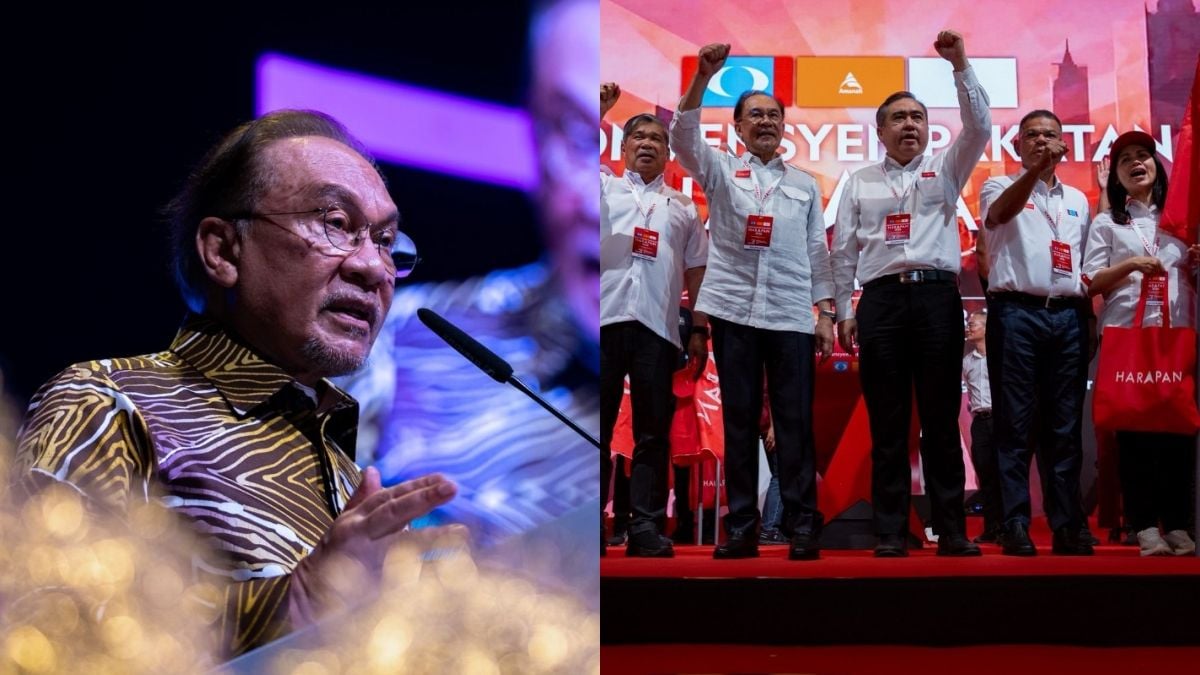
Speaking during a Pakatan Harapan convention in Johor Bahru, Anwar warned that a “confrontational” political approach by BN ahead of the upcoming Johor state election could prompt Pakatan Harapan to seek a fresh mandate from voters.
The dispute emerged after BN decided to contest the Johor election independently rather than cooperate electorally with Pakatan Harapan.
The disagreement exposed growing strains within the coalition government over electoral strategy, state-level cooperation and the alliance’s long-term political future.
Cabinet focused on parliamentary preparations
Despite mounting political speculation, Fahmi said no discussions concerning resignations or government instability took place during the Cabinet meeting.
He said the only political matter raised involved preparations for the upcoming Dewan Rakyat sitting scheduled to begin on 22 June.
“The only matter mentioned was preparations for the Dewan Rakyat sitting beginning on June 22, including the two ministers vacating their seats,” Fahmi said.
He added that discussions instead concentrated on governance priorities, including fiscal restructuring and public sector expenditure adjustments.
Fahmi said the government remained focused on managing economic pressures linked to instability in West Asia while protecting public welfare and maintaining essential services.
Economic pressures and expenditure reforms
The government’s latest political reassurance coincided with broader efforts by Putrajaya to restructure public expenditure and improve fiscal efficiency amid uncertain global economic conditions.
According to Fahmi, Anwar informed ministers that the federal government’s expenditure realignment programme had already achieved approximately half of its intended targets.
Ministries have been adjusting spending allocations based on evolving national priorities while attempting to preserve critical public services and development initiatives.
“The prime minister also informed the Cabinet that expenditure realignment measures implemented across ministries based on current priorities had begun to show positive results without affecting service delivery or the implementation of ministry programmes,” Fahmi said.
“Priority continues to be given to strengthening frontline services, particularly in the healthcare, security and education sectors, to ensure the welfare of the people continues to be safeguarded,” he added.
However, Fahmi said no ministry-specific breakdown of savings achieved under the programme was disclosed during the Cabinet session.
The expenditure rationalisation exercise forms part of wider government efforts to manage external economic risks linked to ongoing geopolitical instability.
Officials have increasingly warned about the impact of rising logistics costs, commodity price volatility and uncertainty arising from continuing tensions in West Asia.
Coalition stability remains under scrutiny
Despite public assurances of support from coalition partners, political observers continue to monitor relations between PH and BN closely as both alliances prepare for future state and national electoral contests.
Anwar has repeatedly defended his administration’s reform agenda and economic management while acknowledging that compromises among coalition partners remain necessary to preserve political stability.
The unity government was formed after Malaysia’s closely contested 2022 general election produced a hung parliament, resulting in an unprecedented alliance between long-time political rivals.
Recent political developments, including ministerial resignations, disagreements over electoral cooperation and speculation surrounding early polls, have renewed scrutiny over the durability of the coalition arrangement.