FBI finds no evidence of Chinese government role in Southeast Asia scam compounds, cites criminal syndicate links
The FBI says it has found no evidence that the Chinese government operates or directs scam compounds in Southeast Asia, while confirming extensive links between the industry and Chinese criminal syndicates. The agency is expanding regional partnerships to dismantle industrial-scale fraud networks.
- The FBI says no evidence links the Chinese government to directing scam compounds in Southeast Asia.
- Investigators identified extensive connections between scam centres and Chinese criminal syndicates operating regionally.
- The bureau is strengthening cooperation with Southeast Asian partners to target fraud, trafficking and organised crime.

BANGKOK, THAILAND: The United States Federal Bureau of Investigation (FBI) said it has found no evidence that the Chinese government operates or directs scam compounds across Southeast Asia, although investigators have established extensive links between the region's fraud industry and Chinese criminal syndicates.
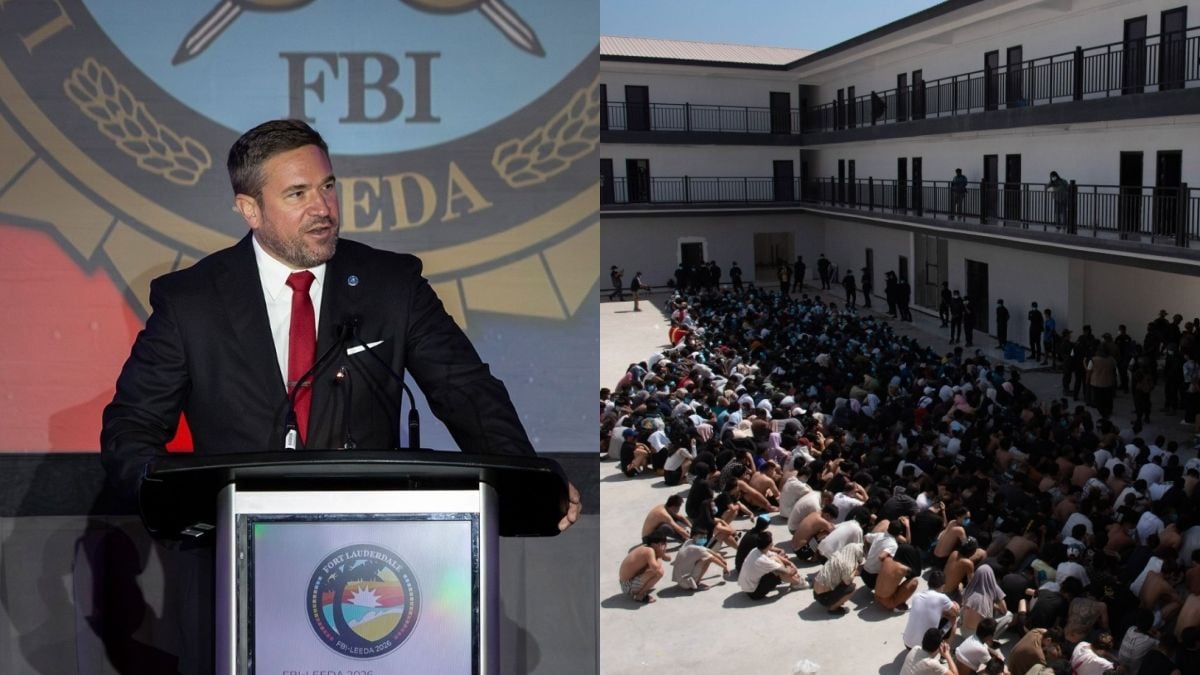
Speaking during a virtual press briefing from Bangkok, FBI Co-Deputy Director Andrew Bailey said the bureau's investigations indicate that the operators behind many scam compounds are financially motivated criminal organisations rather than state actors.
"We've not uncovered evidence that indicates the scam compounds are operated or directed by members of the Chinese government," Bailey said.
However, he added that investigators had identified "a clear link between Chinese criminal enterprises and scam compounds throughout Southeast Asia and beyond", describing the organisations as sophisticated transnational networks focused on profit.
The remarks came during a briefing focused on what Bailey described as three major global threats: industrial-scale scam compounds, nihilistic violent extremism and transnational narcotics trafficking.
Industrial-scale criminal enterprises
Bailey characterised scam compounds as highly organised criminal syndicates operating on an unprecedented scale.
"These enterprises are highly organised criminal syndicates and they're running industrial-scale fraud operations across the globe," he said.
According to the FBI, scam compounds generate billions of dollars through fraud schemes while exploiting cryptocurrency networks and trafficking victims into forced criminal activity.
Bailey said many lower-level workers found inside scam compounds are themselves victims of human trafficking.
"The FBI certainly understands many line-level workers in scam compounds are human trafficking victims who are forced to defraud others," he said.
He added that the bureau seeks justice not only for those defrauded by scam operations but also for workers who are coerced into participating.
The FBI believes criminal groups have successfully expanded by exploiting weak governance, corruption and emerging technologies throughout parts of Southeast Asia.
Bailey said the organisations routinely move people, money, technology and illicit proceeds across Thailand, Myanmar, Laos, Cambodia and neighbouring countries.
Broader strategy targets criminal ecosystem
The FBI said its strategy extends beyond shutting down individual scam compounds and focuses on dismantling the broader criminal ecosystem supporting them.
Bailey rejected suggestions that enforcement efforts amounted to a game of "whack-a-mole", whereby criminal groups simply relocate when pressured.
Instead, he said investigators are pursuing a long-term intelligence-led strategy aimed at identifying major actors, facilitators and transnational criminal organisations behind scam operations.
Those targets include application developers who create tools used to deceive victims, recruiters who lure workers under false pretences and networks involved in debt bondage and human trafficking.
"Those operations are part of a larger strategic effort to obtain evidence linking compounds to specific transnational criminal organisations," Bailey said.
The bureau is prioritising investigations into what it considers the most prolific criminal groups facilitating scam-centre activity across the region.
Regional partnerships intensify
Bailey repeatedly emphasised the importance of international cooperation in combating transnational criminal organisations.
The FBI's legal attaché office in Bangkok is working closely with the Royal Thai Police Anti-Cyber Scam Centre to identify, disrupt and dismantle scam compounds operating in Myanmar, Cambodia, Laos and Vietnam.
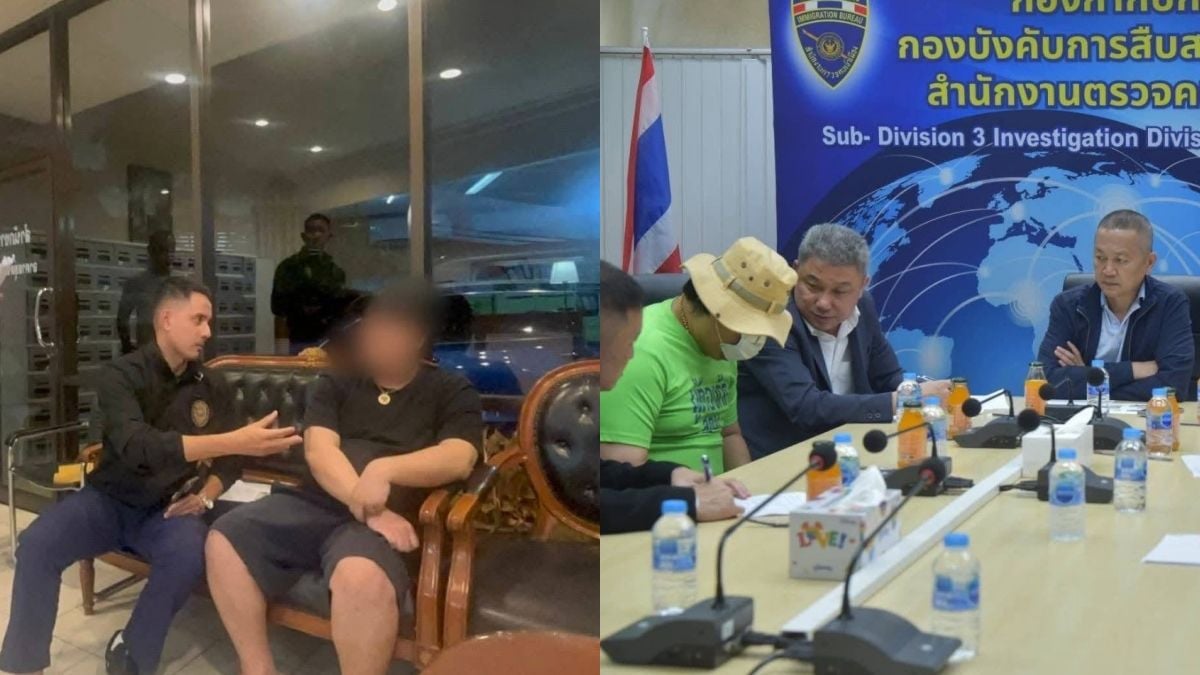
Describing Thailand as a critical security partner and regional law enforcement hub, Bailey said Thai authorities recently arrested seven suspects during a coordinated enforcement operation and launched several new investigations.
He also highlighted broader FBI engagement across Southeast Asia.
In Cambodia, the bureau is working with the Commission for Combating Online Scams (CCOS) to gather intelligence and disrupt criminal operations.
In the Philippines, FBI personnel are coordinating with the Presidential Anti-Organised Crime Commission, Bureau of Immigration, National Bureau of Investigation, Philippine National Police and Department of Justice.
Meanwhile, the FBI's legal attaché office in Singapore became the sole United States law enforcement representative in May to join the Singapore Police-led FRONTIER+ initiative.
The platform brings together anti-scam agencies from 11 jurisdictions and facilitates real-time intelligence sharing, coordinated investigations and joint enforcement actions.
Major enforcement actions
Bailey pointed to several recent enforcement successes involving scam compounds linked to transnational criminal organisations.
The FBI's Scam Center Strike Force has been targeting operators and facilitators connected to the Tai Chang scam compound in Myanmar.
According to Bailey, the bureau recently seized a malicious website associated with the operation and confiscated approximately US$30 million in cryptocurrency linked to criminal enterprises connected to the compound.
The FBI has also coordinated with law enforcement agencies including the Royal Thai Police, Dubai Police and China's Ministry of Public Security in investigations targeting cryptocurrency investment fraud networks.
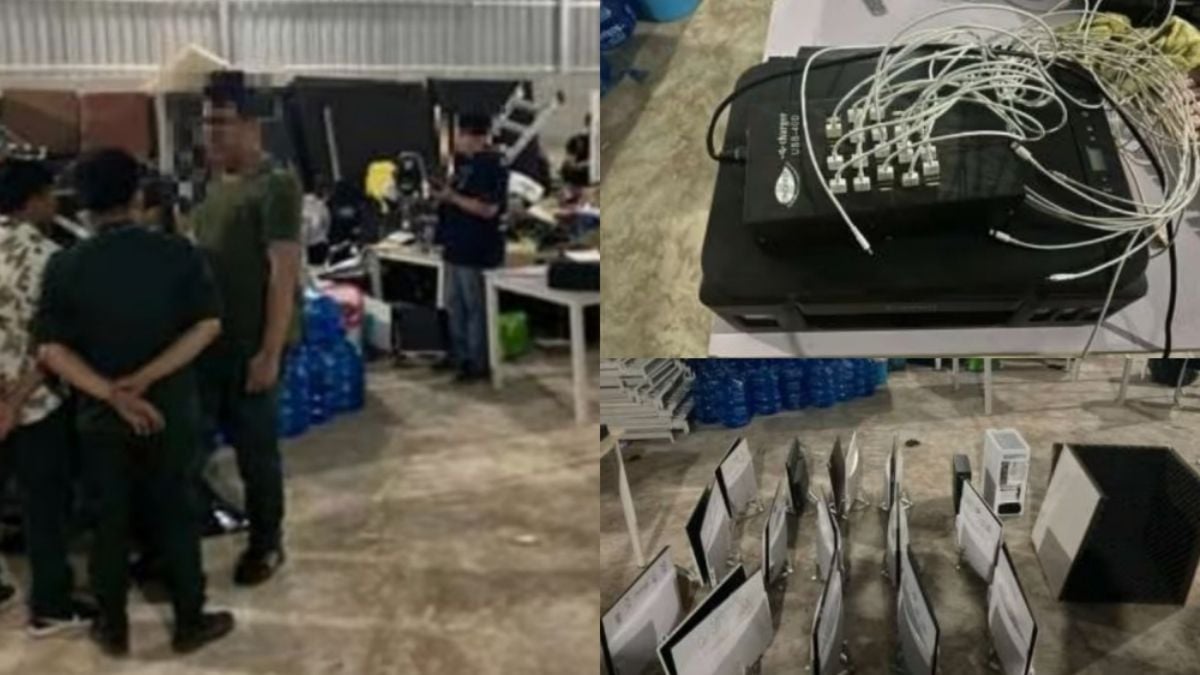
One recent operation resulted in the arrest of 276 individuals and the dismantling of at least nine scam centres, according to Bailey.
Other security threats
Beyond online fraud, Bailey warned that nihilistic violent extremism is emerging as one of the fastest-growing threats facing young people globally.
He described such groups as digital-age extremist networks that exploit online platforms, encourage self-harm and, in some cases, attempt to radicalise individuals toward violence.
Earlier in 2026, the FBI shared intelligence with Philippine authorities through the FBI-led Anti-Terrorism Fusion Group.
According to Bailey, that cooperation led to 14 operations that identified and intervened in cases involving 21 minors displaying indicators of violent extremist behaviour.
Bailey also highlighted transnational narcotics trafficking, particularly fentanyl, as a major security concern.
He said the FBI seized 2,250 kilograms of fentanyl over the past year and is working with regional partners to identify precursor chemicals and disrupt supply chains before they reach criminal manufacturing networks.
"The threats are global. The criminals are ruthless. But our partnerships throughout Southeast Asia are ironclad," Bailey said.