Iran closes Strait of Hormuz as US launches second day of strikes
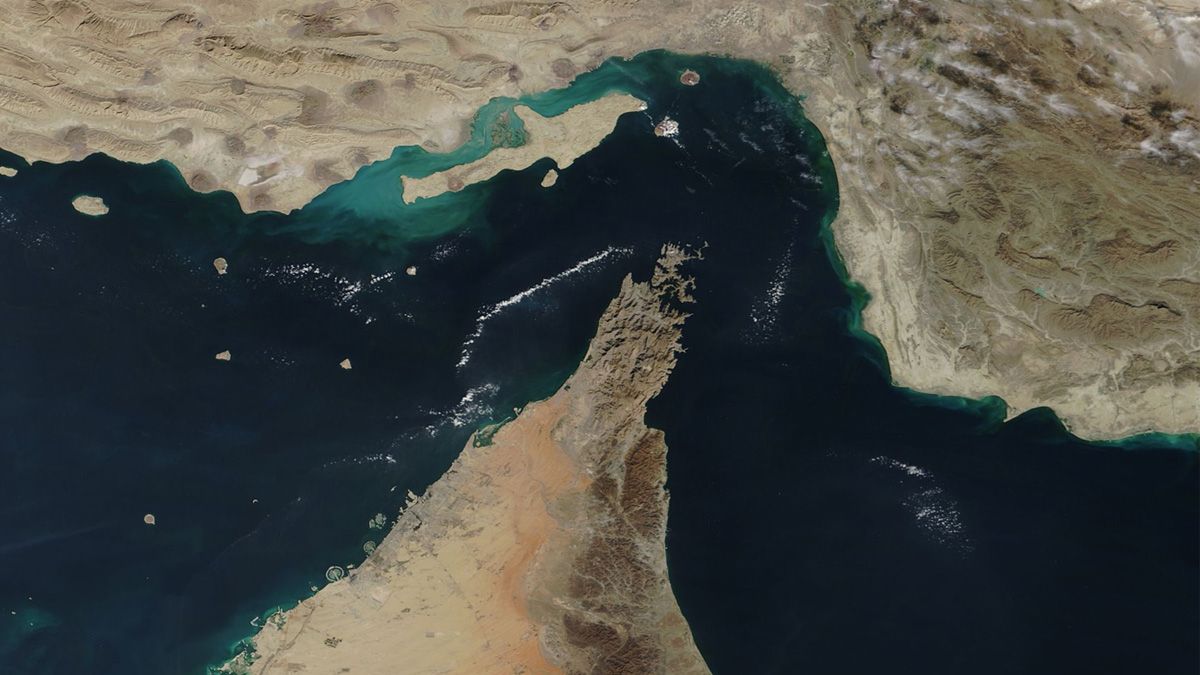
Iran's military headquarters declared the Strait of Hormuz closed to all vessels as US forces launched a second consecutive day of strikes against targets in southern Iran, escalating a conflict that has rattled global energy markets and stalled diplomatic efforts.
- Iran declared the Strait of Hormuz closed to all vessels following renewed US strikes on southern Iran.
- Trump indicated strikes would halt soon but warned of resumed attacks if no deal is signed.
- Qatari negotiators remain in Tehran as diplomatic efforts continue alongside active hostilities.

Iran's military headquarters announced early Thursday the complete closure of the Strait of Hormuz to all vessels, including oil tankers and commercial ships, as United States forces carried out a second consecutive day of strikes against targets in southern Iran.
The Khatam al-Anbiya Central Headquarters, in a statement carried by Iranian state television, declared the strategic waterway closed due to what it described as insecurity in the region resulting from continued American aggression.
"Effective immediately, due to insecurity in the region, the Strait of Hormuz is declared closed to all vessels, including oil tankers and commercial ships," Iran's Islamic Revolutionary Guard Corps (IRGC) said in a post on its official Telegram channel. "Any vessel attempting to transit the strait will be targeted."
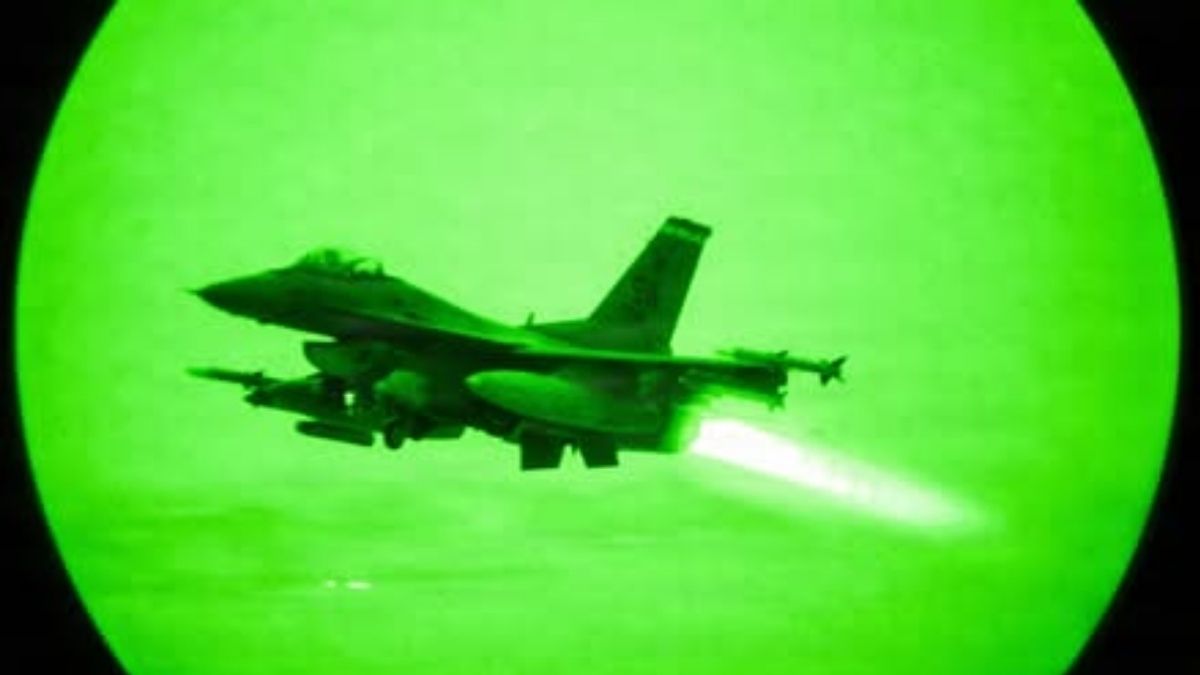
The closure announcement came as US Central Command (CENTCOM) confirmed it had launched additional self-defence strikes against multiple targets in Iran. The command described the strikes as a response to what it called "Iran's unwarranted and continued aggression."
US forces push back on closure claim
CENTCOM disputed the Iranian closure declaration, stating that commercial ships continued to transit in and out of the strait. The IRGC denied the US assessment. Iran's semi-official Fars News Agency separately reported that two ships attempting to "transit the Strait of Hormuz illegally" had been struck, though this could not be independently verified.
Iranian state news agency IRNA also claimed there had been a "confrontation" between IRGC naval units and US forces in the strait and said the IRGC's resistance had left US forces "shocked." CENTCOM said no US warships were hit.
The strait has been severely disrupted since the conflict began. Visible traffic through the waterway is estimated at just 15 per cent of pre-war levels, according to analysis by JPMorgan.
Strikes target southern Iran
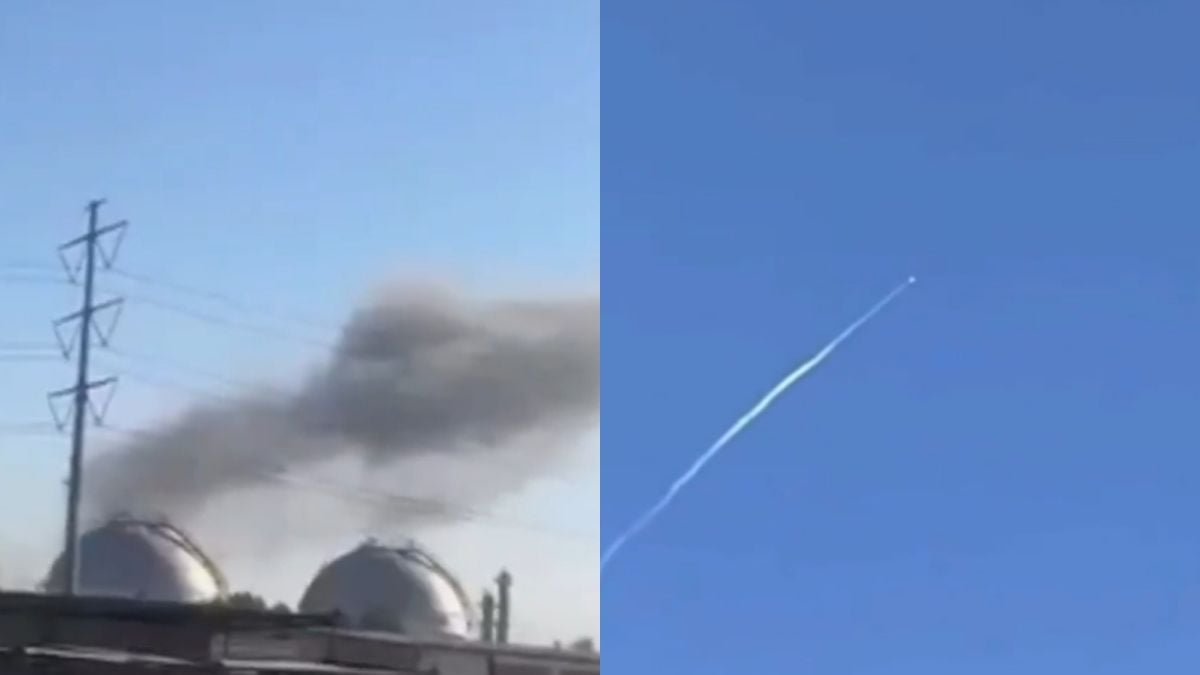
Iranian official media reported explosions, air defence activation, and airstrikes across parts of southern Iran, including Bandar Abbas, Minab, Jask, Qeshm, and Sirik. These jurisdictions lie in Hormozgan province, near the Strait of Hormuz.
CENTCOM said US forces began launching self-defence strikes at 5.15pm Eastern Time on Wednesday, "at the Commander in Chief's direction."
The latest round of strikes injured two residents in the city of Kargan in Hormozgan province, according to state broadcaster Islamic Republic of Iran Broadcasting (IRIB). The two individuals sustained shrapnel injuries and were transferred to a hospital in Minab.
The air defence system in Asaluyeh on the Persian Gulf was also activated, though IRIB reported no enemy attack had occurred on the key energy hub, which hosts refineries and petrochemical complexes.
Water infrastructure struck, experts say
Iran's semi-official Mehr news agency published photographs of a destroyed drinking water reservoir in the Bamani district of southern Iran, alongside images of munition fragments. Weapons experts who spoke to CNN identified the fragments as components of a GBU-39 series precision-guided munition, produced in the United States.
Trevor Ball, a former US Army senior explosive ordnance disposal team member, and N.R. Jenzen-Jones, director of Armament Research Services, identified the bomb components from the photographs. Ball said the damage to the water tank was broadly consistent with that type of munition.
According to Abdul Hamid Hamzehpour, chief executive of the Hormozgan Water and Wastewater Company, two concrete water-storage reservoirs with a combined capacity of 2,500 cubic metres in Bamani were struck and completely taken out of service. Iran's Tasnim News Agency, which is affiliated with the Revolutionary Guard Corps, reported the reservoirs had served at least 20,000 Iranians.
CNN could not independently verify that the munitions shown in the photographs were recovered from the site. CENTCOM spokesperson Captain Timothy Hawkins said the command was aware of the reports and looking into the situation.
Water infrastructure is protected under the Geneva Convention. Earlier in the conflict, Trump had publicly raised the possibility of targeting Iran's water desalination plants, a suggestion that drew alarm from US Gulf allies.
Hegseth declines to address war crimes question
Ahead of the new wave of strikes, Defence Secretary Pete Hegseth declined to answer whether attacking civilian infrastructure could constitute a war crime.
When asked by a reporter whether striking bridges, electrical infrastructure, or other civilian facilities might amount to a war crime, Hegseth said it was a "disingenuous question" and that the US would hit targets "that improve the environment for us to operate in."
Hegseth had earlier indicated the US would be bombing "key Iranian facilities" and that the strikes would be strong.
Iranian President Masoud Pezeshkian characterised US threats to target critical infrastructure, including transportation, electricity, and water sectors, as a sign of weakness rather than strength.
Trump signals pause, warns of resumption
President Donald Trump said the US bombing in Iran would stop shortly but warned it would continue the following night if a memorandum of understanding was not reached.
Fox News correspondent Trey Yingst reported that Trump made the comments while in the Situation Room with Vice President JD Vance and US envoys Steve Witkoff and Jared Kushner. Trump described the current ceasefire as "the most violated ceasefire in the history of the world," according to Yingst's post on X.
Trump had earlier expressed frustration with the pace of negotiations. He said Iran would "pay the price" for taking "too long to negotiate a deal" and that all Tehran needed to do was "start signing a paper."
The US president also stated he had directed the US military the previous month to "execute a secret mission" to support oil tankers and commercial ships through the Strait of Hormuz, adding that more than 200 commercial ships had since traversed the waterway.
Wednesday's strikes followed an earlier exchange in which Iran downed a US Apache helicopter, prompting US forces to launch the initial wave of attacks. Two US crew members brought the helicopter down in waters off Oman; a US drone boat rescued them approximately two hours later, according to CENTCOM.
Qatari delegation remains in Tehran
A Qatari delegation that travelled to Tehran on Wednesday morning to meet with Iranian negotiators remained in the country as the new US strikes commenced, a diplomatic source with knowledge of the matter told CNN.
The source said the Qatari negotiators were in Iran following consultations with the US, meeting with Iranian counterparts "in an effort to bridge the remaining gaps" between Washington and Tehran.
State-run IRIB reported the visit included discussions on bilateral ties and an exchange of views on efforts to end what it described as the "US-imposed war" against Iran.
Market impact
The escalating conflict has unsettled global financial markets. Brent crude rose 1.8 per cent on Wednesday to US$91.10 per barrel.
The S&P 500 and Nasdaq indices have fallen 4.5 per cent and 7.1 per cent respectively since hitting record highs on 2 June 2026. The Dow Jones Industrial Average is down approximately 3.2 per cent since its last record high on 4 June 2026.