Global forced displacement falls in 2025 but remains at historic levels, UNHCR says
Global forced displacement declined in 2025 for the first time in more than a decade as refugee and internal displacement returns accelerated. UNHCR warned, however, that millions remain displaced and new crises are emerging.
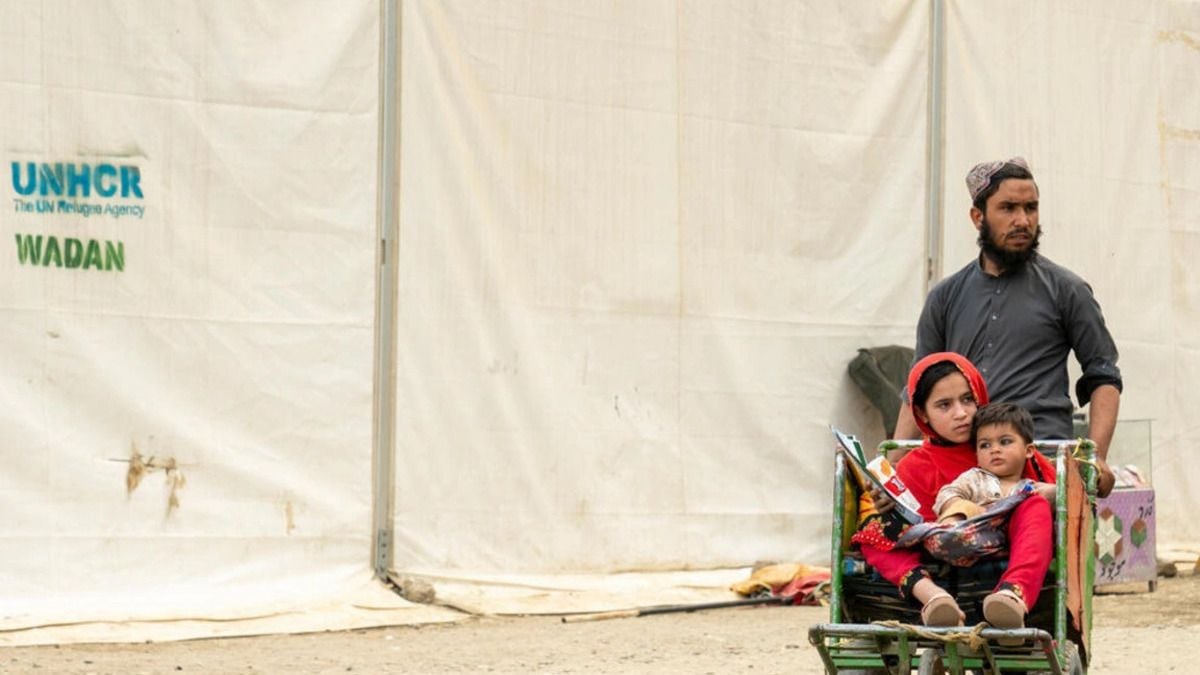
- Global forced displacement declined in 2025 after more than a decade of continuous growth.
- Nearly 14.7 million displaced people returned home, including 4.4 million refugees.
- UNHCR warned that displacement remains exceptionally high despite the overall decline.

Global forced displacement declined in 2025 for the first time in more than a decade, according to the latest Global Trends Report released by the United Nations High Commissioner for Refugees (UNHCR). Despite the decrease, the agency warned that the number of people uprooted by conflict, violence and persecution remains at an exceptionally high level.
Launching the report on 11 June, UN High Commissioner for Refugees Barham Salih said the world continues to face a prolonged displacement crisis, with millions of refugees remaining trapped in long-term exile and dependent on humanitarian assistance.
According to the report, 5.4 million people fled violence and persecution across international borders during 2025. At the same time, returns accelerated significantly, with 14.7 million displaced people returning to their areas or countries of origin, including 4.4 million refugees and 10.3 million internally displaced people (IDPs). This represented a 49 per cent increase in returns compared with 2024.
The increase in returns contributed to a reduction in the global refugee population. By the end of 2025, the number of refugees worldwide stood at 41.6 million, a decline of 3 per cent from the previous year. UNHCR noted that refugee returns in 2025 were the second highest recorded in the past six decades, although many occurred under difficult circumstances and in countries still facing insecurity and limited services.
First decline in global displacement in ten years
The report found that global forced displacement fell during 2025 after years of continuous growth. The decline reflected large-scale returns in several major displacement situations, including Afghanistan, Sudan, Syria and the Democratic Republic of the Congo.
Nevertheless, the scale of displacement remains immense. At the end of 2025, there were 41.6 million refugees worldwide, alongside 9 million asylum-seekers awaiting decisions on their claims and 68.7 million people displaced within their own countries because of conflict or violence. Overall, one in every 70 people globally was forcibly displaced.
Sudan remained the world's largest internal displacement crisis, with 9.1 million people displaced within the country by the end of the year.
Major refugee-producing countries
More than 70 per cent of refugees and other people requiring international protection originated from just six countries: Afghanistan, South Sudan, Sudan, Syria, Ukraine and Venezuela.
Afghanistan and Syria accounted for some of the largest return movements during the year.
UNHCR reported that approximately 2.9 million Afghans returned in 2025, while around 1.3 million Syrians returned from abroad following the fall of the Assad government in late 2024. However, the agency stressed that many returnees faced challenging reintegration conditions, insecurity and limited economic opportunities.
By the end of 2025, Syria still had 4.9 million refugees outside the country despite the large-scale returns. UNHCR said more than 15 million people inside Syria continued to require humanitarian assistance.
Countries hosting the largest refugee populations
According to UNHCR, the largest hosts of refugees and other people in need of international protection in 2025 were:
- Colombia — 2.8 million
- Germany — 2.7 million
- Türkiye — 2.4 million
- Uganda — 1.9 million
- Iran — 1.7 million
- Chad — 1.5 million
- Pakistan — 1.3 million
UNHCR emphasised that most refugees continue to be hosted by low- and middle-income countries.
New initiative to reduce long-term displacement
Alongside the report, Salih called for a major international effort to reduce prolonged refugee displacement.
He proposed a target of cutting by more than half, over the next decade, the number of refugees living in long-term displacement and relying on humanitarian assistance. The initiative focuses particularly on low- and middle-income countries, where most refugees are hosted.
The strategy centres on three pillars: supporting voluntary returns when conditions permit, integrating refugees into national systems such as education, healthcare and labour markets, and expanding opportunities abroad through resettlement, family reunification, humanitarian visas, work permits and scholarships.
UNHCR reported that opportunities for resettlement and sponsorship declined sharply in 2025. Arrivals through those pathways fell by more than half compared with the previous year, reaching just 81,800 people.
Statelessness continues toaAffect millions
The report also highlighted continuing concerns over statelessness.
An estimated 4.5 million stateless people were recorded worldwide at the end of 2025, representing an increase of 3 per cent from the previous year. However, nearly 46,000 stateless individuals acquired citizenship in 24 countries during the year.
Emerging displacement crises in 2026
While displacement levels fell during 2025, UNHCR warned that new conflicts are already generating fresh humanitarian challenges.
The agency reported that conflict in the Middle East that began in February 2026 had displaced an estimated 1 million people within Lebanon by mid-May and temporarily displaced around 3.2 million people within Iran by the end of March.
Salih said that while asylum and international protection remain essential, humanitarian assistance alone cannot provide a long-term solution for millions of displaced people.
“Asylum and protection are life-saving and not up for debate, but we cannot accept a future in which millions of refugees remain trapped for years or decades without realistic prospects of rebuilding their lives,” he said.