Two men sentenced to death over 2015 Erawan Shrine bombing in Bangkok
A Thai court has sentenced two men to death over the 2015 Erawan Shrine bombing in Bangkok, which killed 20 people and injured more than 100 others after nearly 11 years of proceedings.
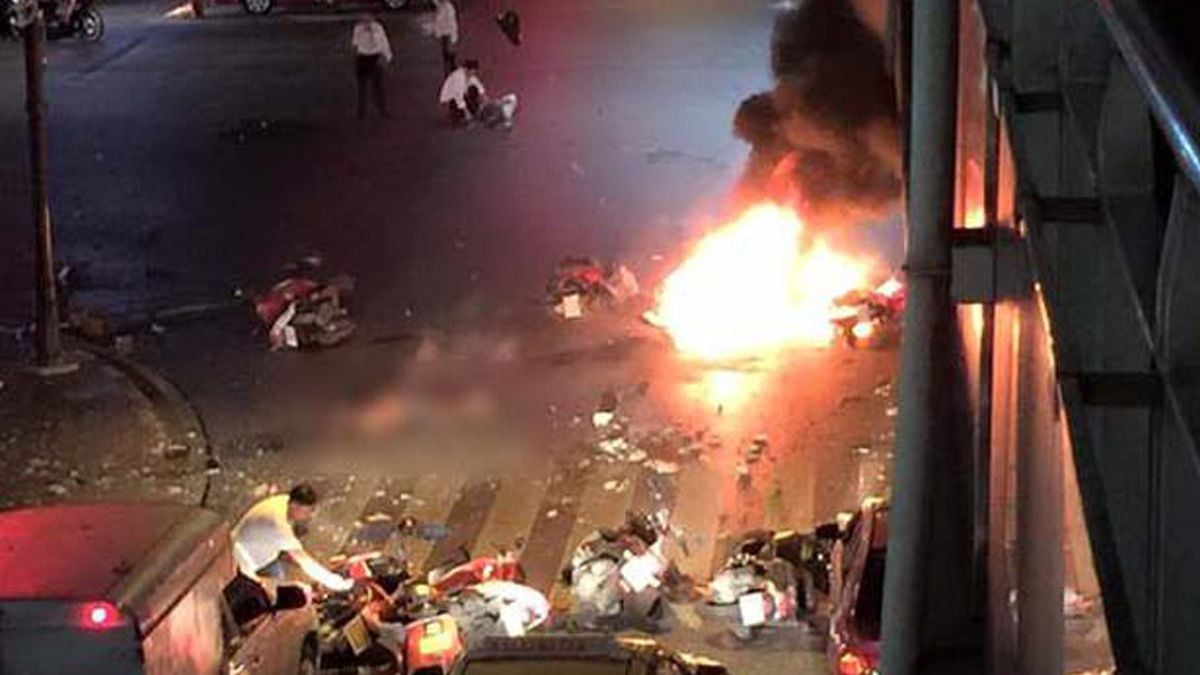
- Two men sentenced to death for the 2015 Erawan Shrine bombing that killed 20 people.
- Trial lasted nearly 11 years, involving over 400 prosecution witnesses and 10,000-page case file.
- Defendants' lawyer says an appeal will be filed, citing unaddressed aspects of the case.

The South Bangkok Criminal Court sentenced two men to death on 11 June 2026 for their roles in the 2015 bombing at the Erawan Shrine in central Bangkok, concluding one of Thailand's most protracted and closely watched criminal proceedings.
Bilal Mohammed, also known as Adem Karadag, and Yusufu Mieraili were convicted of jointly carrying out the attack at the Erawan Shrine near the Ratchaprasong intersection on 17 August 2015. The court found no grounds for mitigation on the charge of jointly committing premeditated murder. Each defendant was also fined 1,000 baht for carrying weapons in a public place.
The blast, which occurred at approximately 6.55pm, killed 20 people — comprising 14 foreign nationals and six Thai nationals — and injured more than 100 others. Among the dead were tourists from mainland China and Hong Kong.
Background to the attack
Investigators established that the device used in the attack was an improvised explosive assembled using TNT and a pipe component. Closed-circuit television footage reviewed by authorities showed the device had been concealed inside a backpack before being placed beneath a bench inside the Erawan Shrine compound.
According to the court, Karadag was responsible for placing the backpack containing the improvised explosive device under a seat within the shrine. Mieraili was found to have assembled the device, procured the necessary equipment, and delivered it to Karadag ahead of the detonation.
A four-judge panel delivered the verdict after the lengthy ruling was read aloud. A member of the panel stated that the defendants had committed a single act that violated multiple laws, and the court had therefore imposed the harshest penalty available — the death sentence.
A decade of proceedings
The trial, brought by prosecutors from the South Bangkok Criminal Litigation Office, lasted almost 11 years and involved testimony from more than 400 prosecution witnesses and more than 45 defence witnesses. The case file comprised more than 10,000 pages of documents.
Both defendants appeared in court in prison garb. Police named 17 suspects in the immediate aftermath of the bombing, but Karadag and Mieraili were the first to be apprehended. They went on trial in 2016.
Proceedings were delayed multiple times over the course of the trial, including disruptions caused by the coronavirus pandemic and difficulties in securing adequate translation services. On one occasion, a translator engaged for the accused was arrested on drugs charges, further stalling progress.
In 2017, a Thai national identified as Wanna Suansan was detained on arrival in Bangkok on a warrant connected to the shrine bombing, becoming the third named suspect to be arrested.
She was charged with attempted murder, associated murder, and possession of bombs and weapons, but was acquitted in 2024. Karadag and Mieraili were separately acquitted of charges relating to a bombing at a pier in the Charoen Nakhon area.
Defendants to appeal
Immediately following the verdict, Mieraili rejected the ruling. "RIP Thailand's justice system. I don't accept any of this. I didn't do anything wrong," he said.
Choochat Kanpai, the lawyer representing both defendants, told reporters the defence would appeal. He stated there were many aspects of the case the court had not fully considered, including the treatment of the defendants during the proceedings.
Context: Uyghur deportations and political backdrop
Both Karadag and Mieraili are Chinese nationals. The bombing took place weeks after Thailand's then-ruling military junta forcibly repatriated 109 Uyghurs to China in July 2015. Rights groups have long maintained that Uyghurs, a Turkic Muslim minority from China's Xinjiang region, face cultural and religious repression on return to the country.
The timing of the shrine attack led to speculation, reported widely at the time, that it was carried out as an act of revenge against Thailand, which had served as a key transit hub for Uyghurs seeking to travel onward from China. The junta's ties with Beijing had grown markedly in the period preceding the deportations.
Beijing has denied widespread allegations of human rights abuses in Xinjiang, including the reported incarceration of approximately one million Uyghurs and other Muslim minorities.
Thailand deported a further 40 Uyghurs to China in February 2025, despite warnings from human rights groups about the risk of persecution, a move that drew swift condemnation from the United Nations.
The Erawan Shrine remains an active site of religious observance and a popular destination among tourists to Bangkok.