Trump says US-Iran deal to be signed Sunday, Strait of Hormuz to reopen
US President Donald Trump says a deal ending the conflict with Iran is set for signing on Sunday, with the Strait of Hormuz reopening immediately. Tehran has cast doubt on the timeline, while Israeli officials warn the terms could harm their country's security.

- Trump says US-Iran deal to be signed Sunday, with the Strait of Hormuz reopening immediately.
- Iran's foreign ministry casts doubt on timing; Pakistan to host electronic signing ceremony.
- Israeli officials warn reported terms endanger security; Tehran hardliners protest against negotiators.

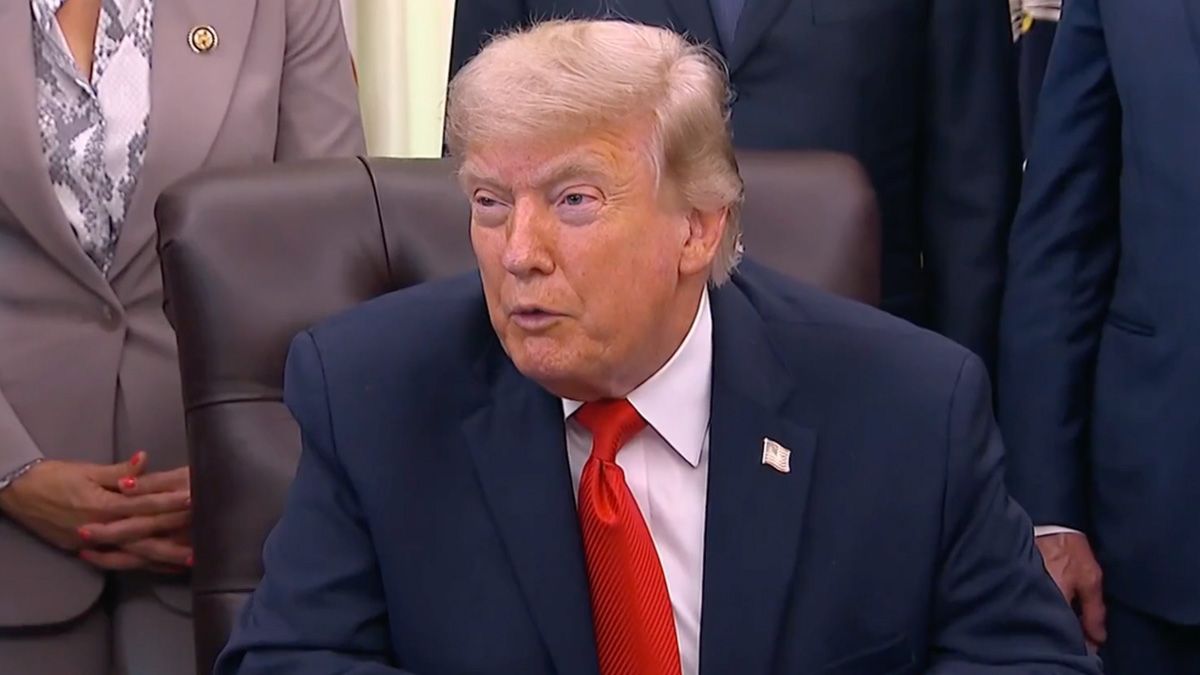
US President Donald Trump said on Saturday, 13 June 2026, that a deal to end the conflict between the United States and Iran is scheduled to be signed on Sunday, 14 June 2026.
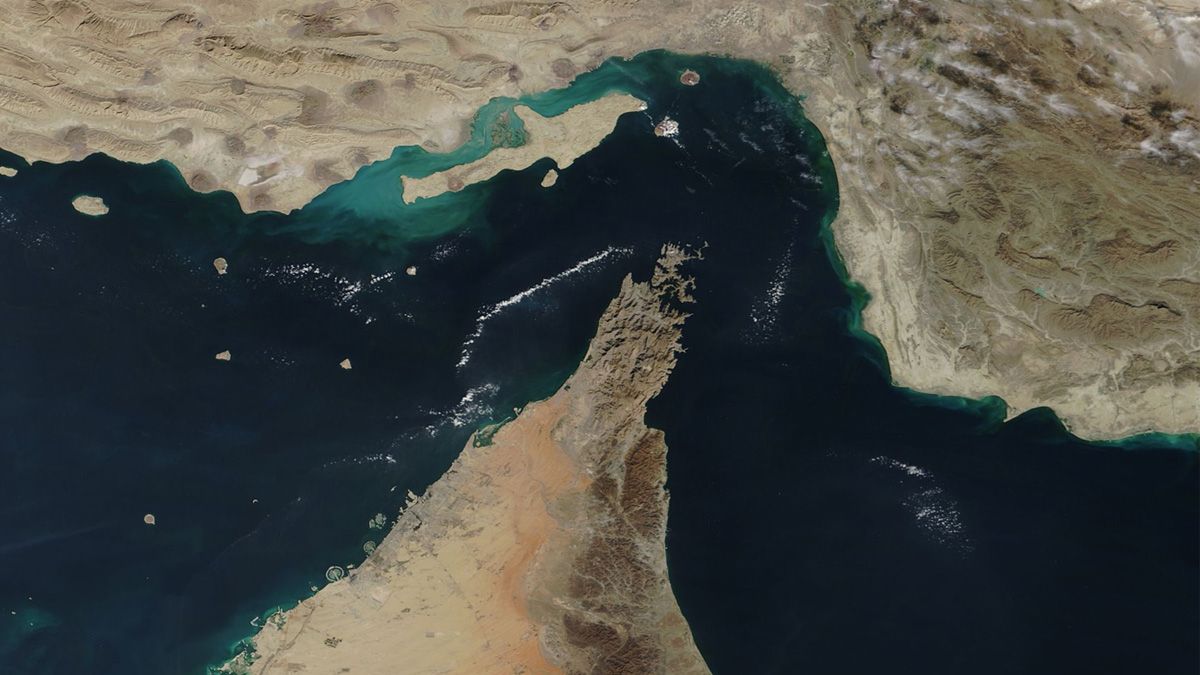
Writing on Truth Social, Trump said that immediately after signing, "the Hormuz Strait is OPEN TO ALL," referring to the strategic waterway through which much of the world's oil and liquefied natural gas passes.
Iran's foreign ministry cast doubt on timing
Iranian foreign ministry spokesman Esmaeil Baghaei said it remained unclear when the memorandum of understanding would be signed, telling reporters: "We will have to wait and see about the exact date... although it will not be tomorrow."
Iran's foreign ministry separately said the signing would not take place on Sunday, appearing to contradict Trump's announcement.
Foreign Minister Abbas Araghchi had earlier said, on Friday, that a deal was close and could be signed remotely within days, though Tehran maintained no final decision had been made.
Deputy Foreign Minister Kazem Gharibabadi said he discussed the draft memorandum with the Russian and Chinese ambassadors in Tehran on Saturday.
Pakistan to host signing ceremony
Pakistan's Foreign Ministry spokesman Tahir Andrabi said Islamabad would host the signing ceremony for the Iran-US agreement by video conference on Sunday.
Prime Minister Shehbaz Sharif said Pakistan was "closer to a peace deal than ever before" and was preparing for the electronic signing, to be followed by technical-level talks next week.
Reported terms cover Hormuz, Lebanon and nuclear programme
According to Araghchi, the agreement covers reopening of the Strait of Hormuz, lifting a US blockade on Iranian ports, and ending fighting between Israel and Hezbollah in Lebanon. Talks on Iran's nuclear programme would begin separately, at a later stage.
A senior US administration official told Fox News the framework would require Iran to reopen the strait without transit fees, with the US blockade lifted in tandem, followed by demining operations in the waterway.
Washington described the arrangement as performance-based, with sanctions relief and access to frozen funds contingent on Iran dismantling nuclear infrastructure, removing or destroying enriched material, and accepting inspections.
Trump said that "at the appropriate time, when all is calm," the United States would retrieve what he called Iran's "Nuclear Dust" for downblending and destruction, whether in Iran or the United States. He added that no money would change hands, contrasting this with the 2015 nuclear deal negotiated under President Barack Obama.
Israeli journalist Dror Balazada described a reported 60-day framework under which Iran would continue oil exports, the strait would remain open, and no military confrontation would occur, with further decisions resting with Trump after that period.
Israeli officials voice security concerns
Citing Channel 12, the Times of Israel reported that senior Israeli officials said the reported terms "endanger Israel's security interests" and that Washington had accepted several of Tehran's key demands.
Prime Minister Benjamin Netanyahu was expected to convene Israel's security cabinet on Sunday evening to discuss the reported terms.
Former prime minister Yair Lapid said the emerging deal "does not achieve any of Israel's war objectives," arguing that Iran's government, missile programme and ability to rebuild its nuclear programme would remain intact.
The Embassy of Israel in Washington urged the Lebanese public to reject Hezbollah and Iranian influence, saying Lebanon's future should be "determined in Beirut, not Tehran." The embassy accused Hezbollah of advancing Iran's interests at Lebanon's expense.
Hardline opposition grows in Tehran
Hardliners held rallies in Tehran and Mashhad on Saturday, accusing Araghchi of being "an infiltrator" and chanting against him and chief negotiator Mohammad Bagher Ghalibaf.
Some protesters questioned whether Iran's negotiators retained the backing of Supreme Leader Mojtaba Khamenei, citing his public silence on the talks.
Assembly of Experts member Mohammad-Mehdi Mirbagheri sought to reassure critics, saying the Supreme Leader was "exercising close oversight of the process."
Iranian MP Mohammad Mannan Raisi said the prospective deal would violate the Supreme Leader's "red lines." Fellow MP Kamran Ghazanfari said any agreement reached under what he described as threats would be "not binding" under international law.
The Institute for the Study of War said Araghchi's account of the memorandum largely matched reporting in Iranian Revolutionary Guard Corps-affiliated media, and assessed that Tehran was structuring the deal to limit US leverage in future nuclear negotiations.
US military maintains regional presence
US Central Command released images of sailors aboard the USS George H.W. Bush conducting maintenance on MH-60 Sea Hawk helicopters, describing the carrier as supporting "the US blockade against Iran" in the Arabian Sea.
Senator John Fetterman defended his support for Israel and opposition to a nuclear-armed Iran, telling Fox News his position had "always been anti-Iran becoming a nuclear power" rather than pro-war.
Representative John James said pressure from the Trump administration had brought Tehran to the table, adding that any agreement should be "event-driven" and "fact-based."
Background
The war began with US and Israeli strikes across Iran on 28 February 2026, prompting Iranian attacks on Israel and US-allied Gulf states and the closure of the Strait of Hormuz.
A ceasefire agreed in April 2026 did not hold fully, with the US and Iran exchanging intermittent fire, including two rounds of strikes this week.
Mark Dubowitz, chief executive of the Foundation for Defense of Democracies, questioned whether a further 60 days of negotiations would favour Iran, noting that previous ceasefire periods had allowed Tehran to "recover, rebuild and leverage Hormuz and Hezbollah."