Amnesty criticises UK under-16 social media ban, urges regulation of platforms instead
Amnesty International has criticised the UK government's planned ban on under-16s using major social media platforms, arguing stronger regulation of platform design and business models would better protect children online.

- Amnesty International says unsafe platform design, not children's access, is the core problem.
- The UK plans to ban under-16s from major social media platforms from spring 2027.
- Political parties, charities and technology companies have offered mixed responses to the proposal.

Amnesty International has criticised the British government's decision to ban children and young people under the age of 16 from accessing major social media platforms, arguing that the measure targets young users rather than addressing what it describes as unsafe platform design and business practices.
The criticism followed Prime Minister Keir Starmer's announcement on 15 June 2026 that children under 16 would be prohibited from using major social media services from spring 2027 as part of a broad package of online safety measures.
Responding to the decision, Kerry Moscogiuri, Chief Executive of Amnesty International UK, said the government had correctly identified the risks facing children online but had chosen the wrong solution.
“This is a case of the right diagnosis but the wrong prescription,” Moscogiuri said.
She argued that many social media companies had developed products and business models designed to maximise user engagement, often at the expense of children's wellbeing, privacy and rights.
According to Amnesty International, the central issue is not children's presence on social media platforms but the way those platforms are designed and operated.
“But the problem is not that children exist on social media; it’s that social media companies have built platforms that are unsafe by design,” Moscogiuri said. “Banning under-16s risks treating children as the problem rather than addressing the companies and systems that create the risks in the first place.”
Government announces sweeping restrictions
Starmer announced the policy during a press conference at Downing Street, describing the measure as necessary to protect children online.
In a video message released after the announcement, the Prime Minister said that, as a parent, his priority was ensuring children's safety and happiness in an increasingly digital world.
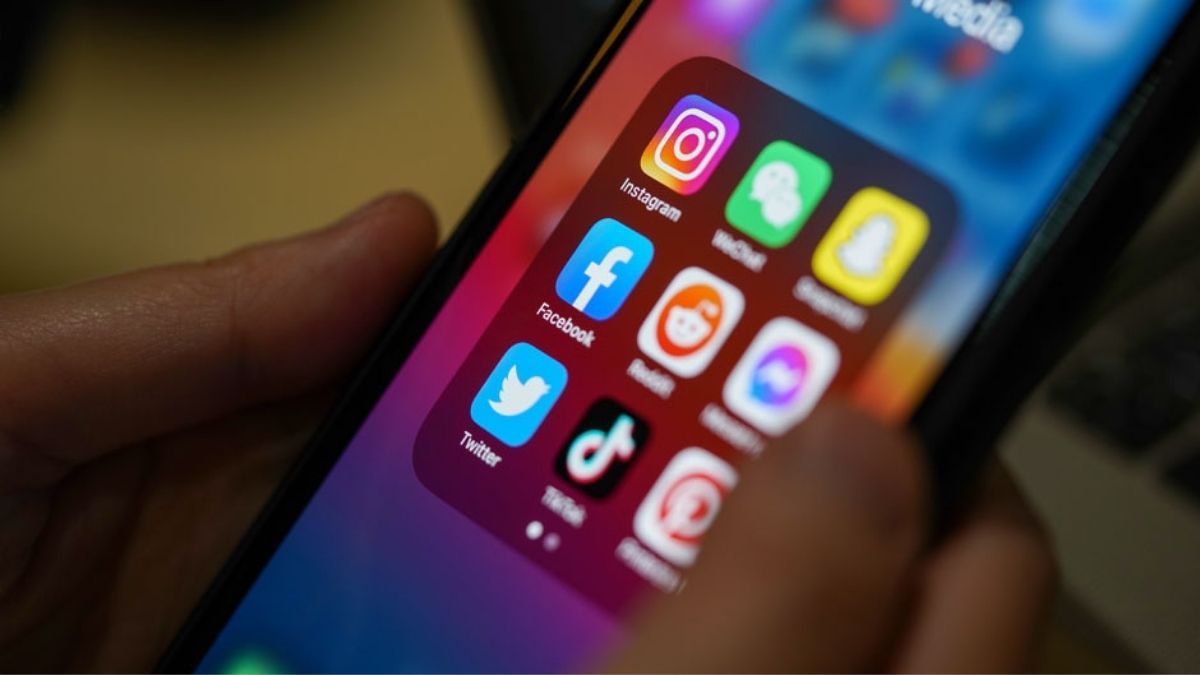
The ban will apply to major social media platforms including Snapchat, TikTok, YouTube, Instagram, Facebook and X. Messaging services such as WhatsApp and Signal will remain exempt.
The government said the legislation would follow a model similar to that adopted by Australia, which became the first country to legislate a social media ban for children under 16 in December 2025.
Under the British proposal, enforcement responsibility will rest primarily with technology companies rather than children or their parents.
Technology Secretary Liz Kendall told Parliament that the government intended to impose an overall ban while also retaining powers to regulate specific online features considered harmful to children.
The government has also proposed broader restrictions than those currently in place in Australia. Measures targeting livestreaming functions and communication between children and strangers will apply to a wider range of online services, including gaming platforms.
Restrictions on certain features will also be enabled by default for 16- and 17-year-olds. Ministers are examining additional measures, including overnight curfews and limits on infinite scrolling for users under 18.
Kendall also announced plans to prohibit chatbots providing sexualised content to users under 18, describing Britain as the first country to introduce such a restriction.
Amnesty calls for stronger regulation of platforms
Amnesty International said responsibility for protecting children online should rest with the companies that create and profit from social media platforms.
“The responsibility for children’s safety should rest first and foremost with the companies that build and profit from these platforms,” Moscogiuri said.
The organisation is calling for stronger and enforceable regulation of social media companies, including restrictions on profiling children by default, hyper-personalised recommendation systems, autoplay functions, infinite scrolling and other features it describes as manipulative.
It also advocates stronger safeguards for children's privacy and personal data.
“Children should not have to surrender their privacy in order to participate in modern digital life,” Moscogiuri said. “We need strong regulation that tackles surveillance-based business models, protects children’s data and puts safety ahead of profit.”
According to Amnesty, social media platforms can expose young users to risks but also provide important opportunities for education, communication, support networks and civic participation.
The organisation said young people use social media to connect with friends, seek support, organise around issues that matter to them and express their views.
“You cannot solve a design problem with an access ban,” Moscogiuri said. “If the diagnosis is that social media platforms are harming children, the remedy should be to regulate the platforms, not exclude children.”
Research highlights concerns over platform design
Amnesty International cited findings from its 2023 report, Driven into Darkness, which examined the operation of TikTok's recommendation system.
The report concluded that TikTok's highly personalised “For You” feed could rapidly direct young users who showed even limited interest in mental health topics towards increasingly harmful content.
According to Amnesty, the recommendation system could lead children into online environments containing material that romanticised or encouraged depressive thinking, self-harm and suicide.
The organisation argues that such findings demonstrate the need for stronger regulation of platform design rather than restrictions on children's access to social media services.
Public consultation and political reaction
The government's decision follows a public consultation that received more than 116,000 submissions from parents, young people and specialists.
According to government figures, 90 per cent of participating parents supported setting a minimum social media age of 16, while 85 per cent said the risks associated with social media outweighed the benefits.
Two-thirds of young respondents said children younger than 16 should not be permitted to use at least some social media platforms.
To enforce the ban, the government plans to introduce age-assurance measures. Ofcom has been asked to conduct a review into methods for verifying whether users are over the age of 16.
Potential verification methods could include existing account histories, linked payment information and facial recognition technology.
Political responses have varied. Conservative leader Kemi Badenoch described the proposal as an important step in helping parents protect children, while questioning the government's previous position on the issue.
Reform UK leader Nigel Farage said the policy was well intentioned but suggested that widespread use of virtual private networks could undermine enforcement efforts.
The Green Party expressed concerns that a blanket ban could isolate some vulnerable young people, including disabled and LGBTQIA+ children who rely on online communities for support.
The Royal Society for Blind Children similarly warned that social media can provide important opportunities for connection and friendship for visually impaired young people.
Technology companies have also voiced opposition. Representatives from YouTube and Meta argued that a blanket ban could push children towards less regulated online spaces and alternative services lacking established safety mechanisms.
The government plans to introduce the necessary regulations to Parliament before the end of 2026, with implementation expected in spring 2027.