NUS remains Asia’s top university despite slipping to 10th in latest QS World University Rankings
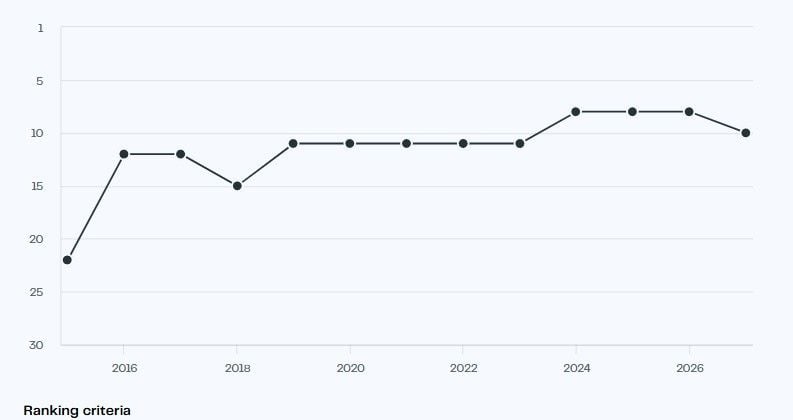
The National University of Singapore slipped two places to 10th in the QS World University Rankings 2027 but retained its status as Asia’s highest-ranked university. Nanyang Technological University held steady at 12th, while other Singapore institutions posted gains across key indicators.
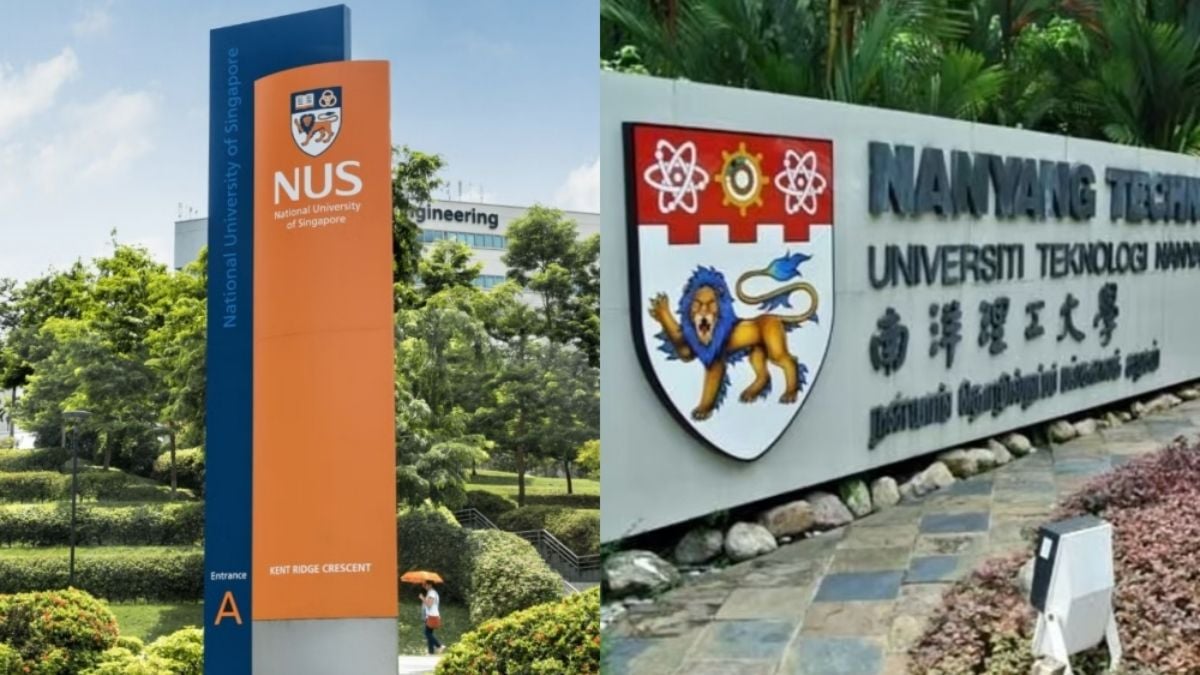
- NUS slipped from eighth to 10th globally but remains Asia’s top-ranked university.
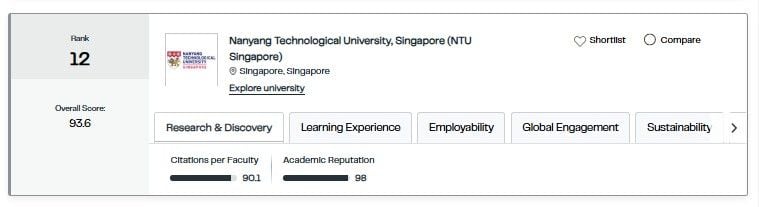
- NTU retained 12th place, while other Singapore
- A decline in citations per faculty contributed to NUS’ drop despite stronger reputation scores.

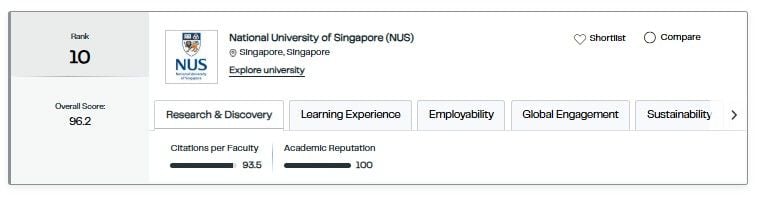
The National University of Singapore (NUS) has slipped two places to 10th in the latest QS World University Rankings 2026, but continues to hold its position as Asia’s highest-ranked university and the only institution from the region within the global top 10.
The rankings, released on 18 June 2026 by Britain-based higher education analyst Quacquarelli Symonds (QS), evaluate universities primarily on research performance, employability and academic reputation.
Despite falling from eighth place in the previous edition, NUS remains a regional leader and retains its distinction as the first Asian university to break into the global top-10 tier.
Global leaders unchanged
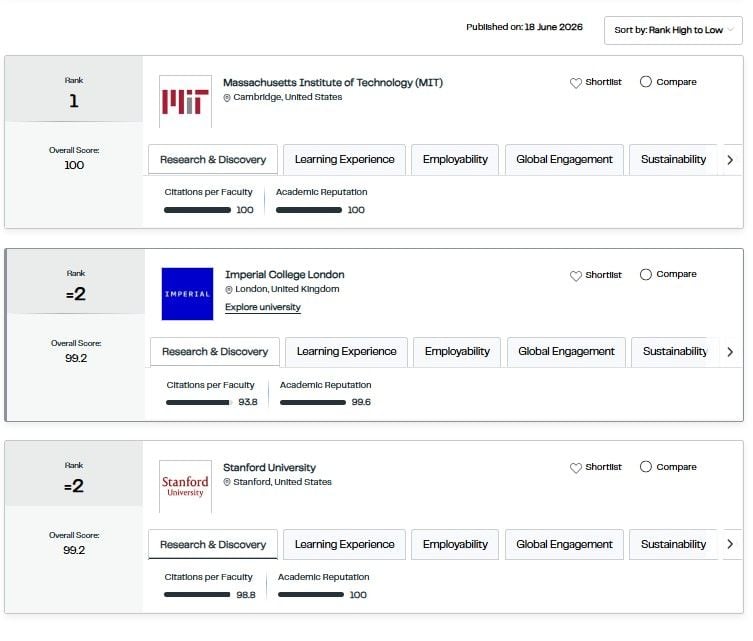
Globally, the Massachusetts Institute of Technology (MIT) secured first place for the 15th consecutive year. Stanford University and Imperial College London shared second position, while the University of Oxford and Harvard University remained fourth and fifth respectively.
The annual rankings place significant emphasis on academic reputation, citations per faculty and employer reputation, which account for 30 per cent, 20 per cent and 15 per cent of the overall score.
Other measures include faculty-to-student ratio, international faculty and student representation, employment outcomes and sustainability performance.
Mixed results for NUS indicators
NUS recorded stronger performances in several key indicators.
It ranked 12th globally for academic reputation and 26th for employer reputation, improving by two and six places respectively compared with the previous year.
However, the university dropped 19 places in citations per faculty, falling to 83rd globally.
The indicator measures how frequently academic staff are cited by other researchers and is widely regarded as a benchmark of research influence and impact.
The decline in citations contributed significantly to NUS’ overall fall in the rankings despite gains in reputation-related measures.
International students account for more than 40 per cent of NUS enrolment
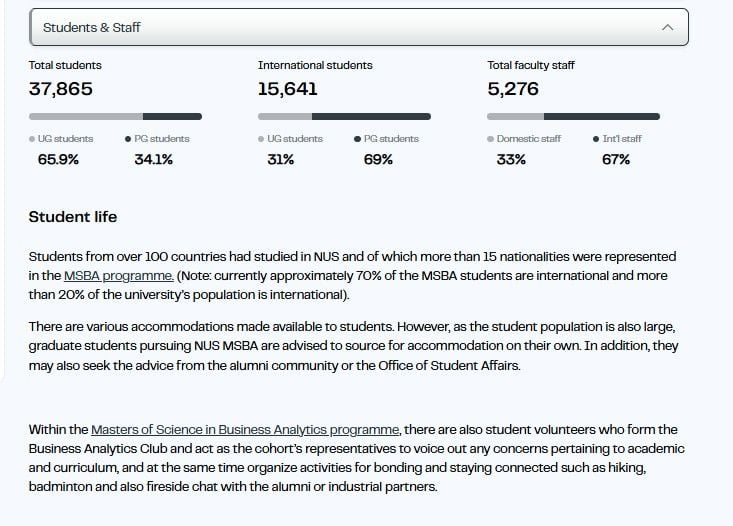
Data from the TopUniversities website indicates that NUS has a total student population of 37,865, including 15,641 international students.
Based on these figures, local students number approximately 22,224, representing about 58.8 per cent of the university's total enrolment.
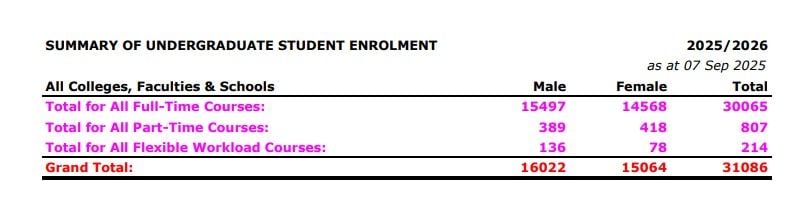
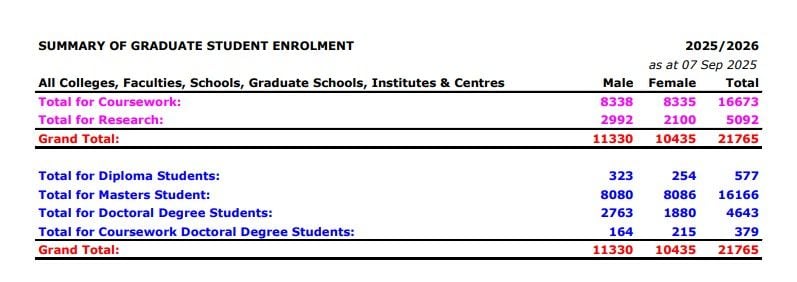
A cross-check with data published on the NUS website shows that, as at 7 September 2025, the university had 21,765 graduate students and 31,086 undergraduate students.
However, the figures do not provide a breakdown between local and international students.
A spokesperson for NUS said the university remained focused on producing graduates equipped for future challenges while advancing research and societal impact.
“Our strong performance underscores our commitment to nurturing future-ready graduates, advancing research and forming partnerships that create value for society,” the spokesperson said.
“Through close collaboration with industry, government and communities, we will continue to develop solutions to global challenges and create meaningful impact in Singapore and beyond.”
Other Singapore universities post gains
Nanyang Technological University (NTU) retained its 12th-place position globally, maintaining its standing among the world’s leading institutions.
Elsewhere, Singapore Management University (SMU) recorded improvements across seven of the nine indicators measured by QS, reflecting broader progress in its academic and institutional performance.
The Singapore University of Technology and Design (SUTD) registered one of the most notable improvements, climbing more than 200 places.
The sharp rise was driven largely by stronger performance in citations per faculty, highlighting growing research visibility and impact.