Ex-NMP Anthea Ong questions whether all housing alternatives were explored before clearing Singapore forests
Former Nominated Member of Parliament Anthea Ong has questioned whether Singapore has fully explored alternatives to forest clearance before approving new public housing developments. Her comments on redevelopment plans at Gillman Barracks and Sunset Way have reignited debate over housing, biodiversity and climate resilience.
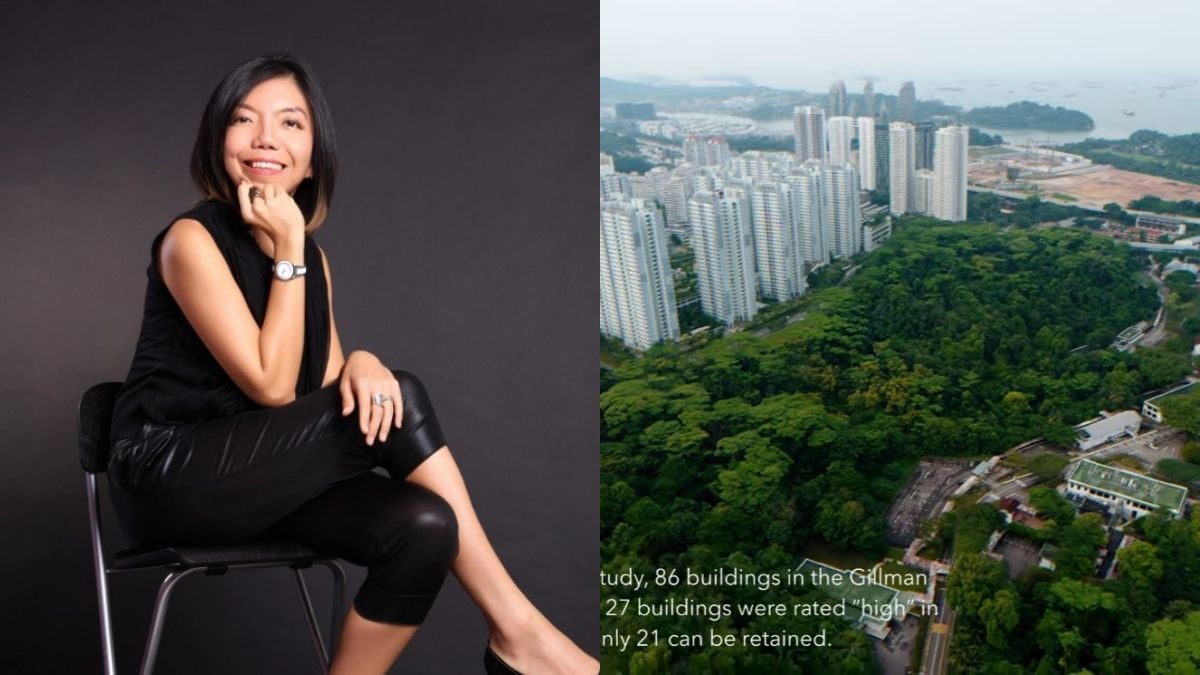
- Anthea Ong questioned whether Singapore exhausted alternatives before approving forest clearance for new housing developments.
- She argued housing and environmental protection should not be treated as competing priorities and urged more sustainable planning.
- Public comments echoed concerns over biodiversity, climate resilience and transparency in government land-use decisions.

Former Nominated Member of Parliament Anthea Ong has questioned whether Singapore has fully explored alternative ways of meeting future housing needs before turning to forests for redevelopment, following the government's announcement of public housing plans for Gillman Barracks and the Sunset Way site in Clementi.
In a Facebook post published on 12 July, two days after the Housing and Development Board (HDB) announced the redevelopment plans, Ong said the debate should not be reduced to a choice between housing and environmental conservation.
Instead, she argued that Singapore should examine whether different planning approaches could meet housing demand while preserving irreplaceable natural landscapes.
Pointing to growing public concern opposing the planned forest clearance, she noted that one ongoing online petition called for the authorities to pause forest clearance until more information is released, prioritise brownfield sites, reduce the scale of forest loss where development is unavoidable, protect connected green corridors and assess cumulative forest loss rather than evaluating projects individually.
Ong said her main concern was not to dispute Singapore's housing needs but to question how decisions are made on where and when new public housing estates should be built if doing so requires clearing substantial forested areas.
She acknowledged that previous reports have explained why housing demand continues to grow despite Singapore's slowing population growth and declining fertility rate, including shrinking household sizes and an ageing population that creates different housing needs.
She also recognised arguments that maintaining a steady supply of public housing is necessary to support affordability and stability in the property market.
However, Ong questioned whether these objectives automatically justified clearing forests before other possibilities had been fully examined.
"Not going to argue over the reasons but have we fully explored other ways of meeting these needs before turning to our forests?" she wrote.
She added: "Might we arrive at different solutions if we defined the problem differently?"
According to Ong, policymakers should consider alternatives even if they prove less convenient, more costly or politically challenging.
Among the possibilities she suggested were more intensive redevelopment of ageing housing estates, greater use of brownfield sites such as former industrial, institutional or recreational land, different housing typologies, intergenerational living models and better utilisation of existing housing stock.
Ong acknowledged these were preliminary ideas rather than detailed policy proposals, writing that she was "just brainstorming" and had not undertaken any feasibility studies.
Beyond trees and housing
Ong stressed that her concerns extended beyond environmental conservation alone.
She said forests should also be viewed through the lens of biodiversity, ecological resilience, rising urban temperatures, public health and overall quality of life.
"As our city grows denser and hotter, our natural green spaces are no longer just nice-to-haves," she wrote.
"We know they are part of the infrastructure that makes urban life liveable."
In the comments section of her Facebook post, Ong shared the link to the petition titled "Save Maju Forest — build the homes without erasing the wild."
The petition, launched on 11 July, had attracted nearly 17,000 signatures as of 17 July.
Climate change and mental health are deeply interconnected
Ong also revisited arguments she made in an article published in April 2025, where she said climate change and mental health should no longer be treated as separate policy issues.
Drawing on her personal experience of developing what she described as eco-anxiety after witnessing Antarctica's fragile ice shelves, Ong said increasing numbers of young people were experiencing emotional distress linked to the climate crisis.
She recounted conversations with young professionals who felt conflicted about working for companies they believed were insufficiently committed to environmental responsibility.
One woman, she said, admitted she "dreaded going to work every day" because she was troubled by what she perceived as corporate greenwashing.
Ong argued that policymakers should approach environmental sustainability and mental well-being together rather than separately.
"We must approach them not as isolated issues, but as two sides of the same coin," she wrote, calling for closer coordination between Singapore's climate agencies and mental health authorities.
She also warned that rising temperatures, environmental degradation and continued loss of green spaces could have lasting consequences for psychological well-being.
According to Ong, protecting forests is "not just about preserving biodiversity, but safeguarding the mental health of our future generations."
Public calls for alternative development strategies
Comments on Ong's Facebook page reflected wider concerns over how Singapore balances future housing demand with environmental protection.
Many commenters argued that mature forests should be regarded as essential natural infrastructure rather than undeveloped land awaiting future use.
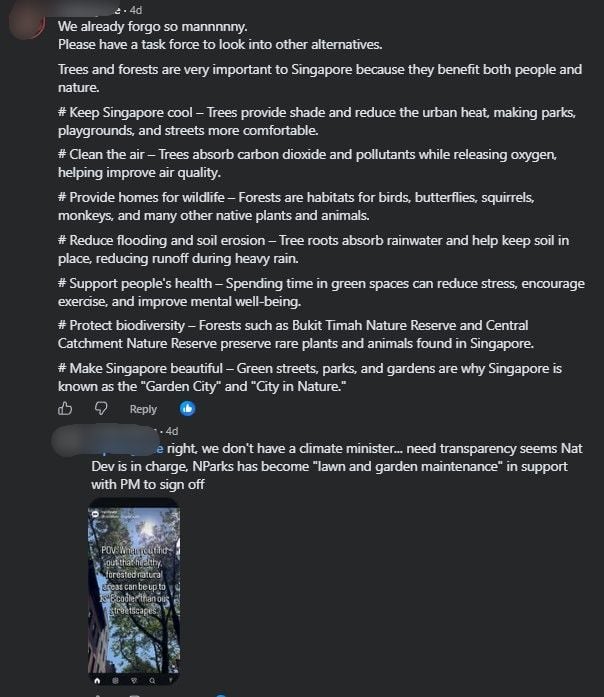
A commenter said Singapore had already “forgo[ne] so mannnnny” green spaces and urged authorities to set up a task force to explore alternative solutions before further forest clearance.
The comment highlighted the importance of trees and forests in reducing urban heat, improving air quality, preventing floods, supporting biodiversity and protecting wildlife habitats.
It added that preserving green spaces is also crucial for public health and well-being, while maintaining Singapore’s identity as a “Garden City” and “City in Nature.”
Calls to prioritise non-forest land for housing development
Others urged the Government to explore alternative land sources and redevelopment options before clearing more forests for housing.
Some suggested using underutilised state land, golf courses and other non-forest sites, while one commenter called for a review of landed housing areas, arguing that they are a less efficient use of limited land compared with public housing.

Another said authorities should “prioritise those before converting forests into HDBs,” reflecting concerns that remaining natural spaces should be protected where possible.
Some also proposed reviewing existing housing policies, including shorter lease models and more intensive redevelopment of older estates.

Questions were also raised about the continued demand for new housing despite Singapore's declining fertility rate and already high home ownership levels.


One commenter asked: "Given the fact that 90% of us already have a house to stay, why does the demand of HDB still be so strong? An in-depth study on it is needed."

Climate and transparency concerns
Environmental concerns featured prominently throughout the discussion.
Several commenters warned that removing forests would intensify Singapore's urban heat challenge while appearing inconsistent with national sustainability goals.
One comment sarcastically wrote: "Clear forests, raise the temp and ask Singaporeans not to use aircon, wow."

Others argued that the debate should extend beyond housing supply to include biodiversity conservation, climate resilience and public health.
A commenter described forests as "National Treasures. Not resources. If our Nature thrives, we thrive."

Some also questioned whether public consultations meaningfully influence development decisions.
Several expressed scepticism that feedback submitted after official announcements could alter projects already in progress.
One commenter said Singapore was "talking about being a greenery country yet doing the other way", while others urged policymakers to reconsider whether economic development should consistently take precedence over conserving the country's remaining natural forests.



Academic earlier calls for greater transparency
The issues raised by members of the public echoed arguments made by Melissa Low, Head of the NUS Sustainability Academy and Research Fellow at the Centre for Nature-based Climate Solutions.
Low has called for greater transparency in explaining how Singapore balances housing needs with environmental and heritage considerations.
She argued that authorities should present alternative planning options more openly, explain the trade-offs involved and involve communities earlier in the planning process.
According to Low, consultations conducted only after key decisions have effectively been made risk becoming "an exercise in recording objections rather than shaping policy."
She said greater openness would help the public better understand how competing priorities are assessed and why particular development decisions are ultimately reached.
HDB outlines environmental safeguards
HDB has maintained that its proposals for Gillman Barracks and Sunset Way were informed by detailed environmental and heritage studies.
The agency said findings from those studies, together with feedback submitted before the 6 August consultation deadline, would help shape the final development plans, including housing yield, flat mix, project classification and implementation timelines.
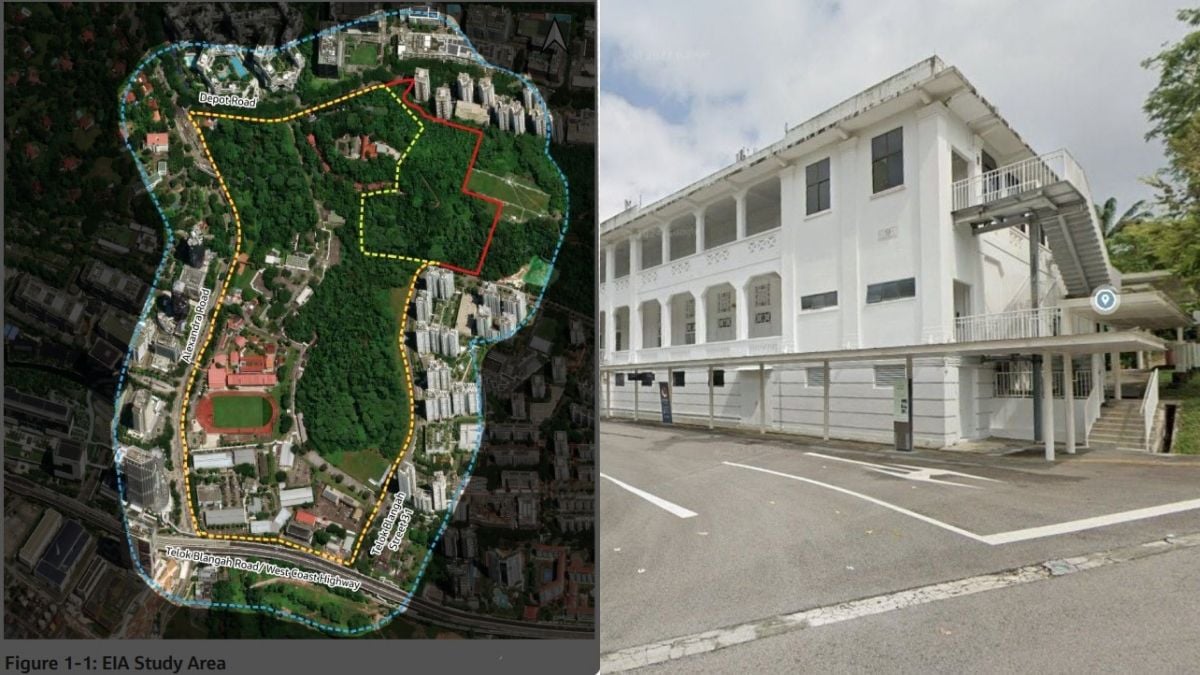
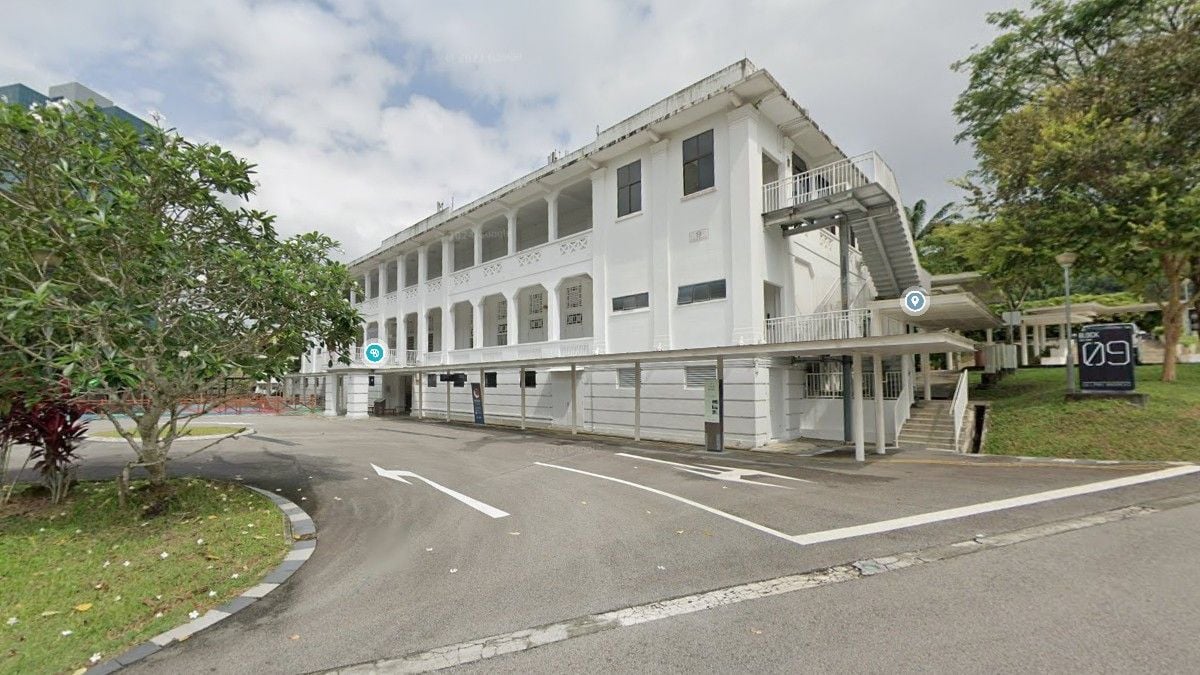
At Gillman Barracks, HDB plans to develop public and private housing near the Greater Southern Waterfront while retaining more than 20 of the site's 86 heritage buildings.
The proposal also includes preserving most of the existing secondary forest, a natural forest stream and ecological corridors.
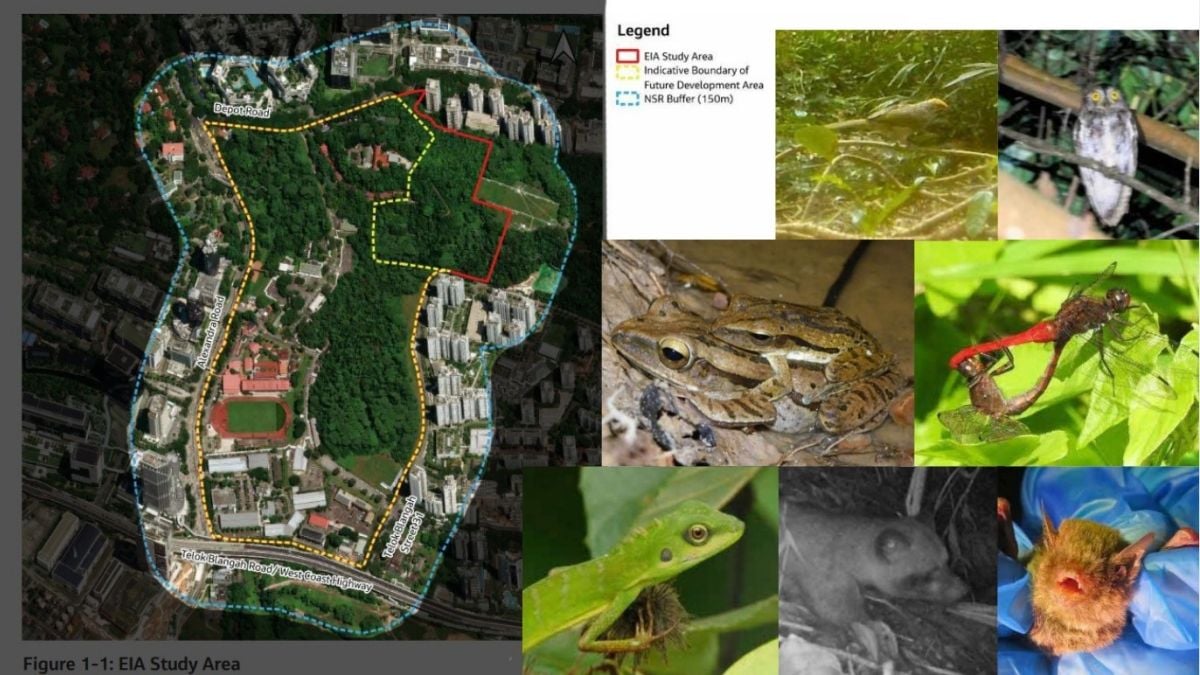
Environmental surveys identified 293 plant species and 178 fauna species within the site, including 33 species of conservation significance.
HDB said ecological corridors measuring at least 30 metres wide, around eight hectares of connected green space and phased vegetation clearance would be incorporated to reduce impacts on wildlife.
The agency also plans to retain four heritage clusters, which could be adapted for future commercial and community uses.
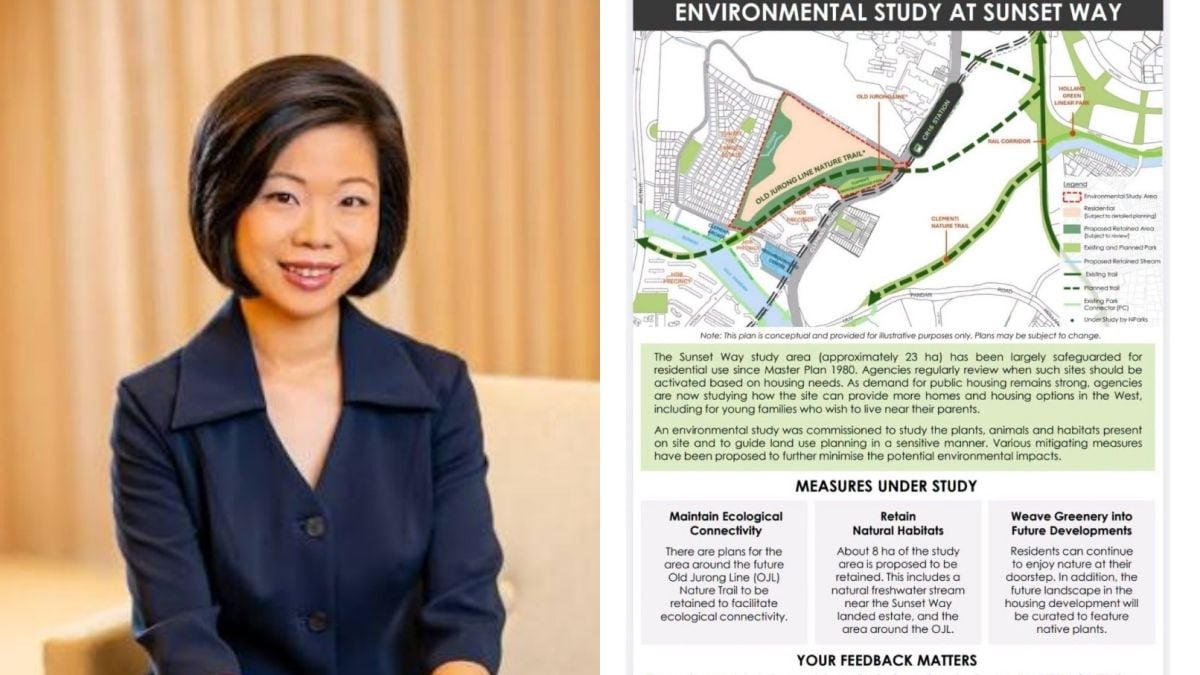
For the 23-hectare Sunset Way site, HDB said the proposed estate would expand housing options in western Singapore while incorporating biophilic landscape design using native plant species.
Approximately eight hectares of land, including a natural freshwater stream and areas along the former Old Jurong Line, would be retained as wildlife habitat and connected through a proposed nature trail.
Public consultation on both developments remains open until 6 August 2026, with the eventual plans expected to reflect both technical study findings and public feedback submitted during the consultation period.