MOM alerted to KPA Engineering wage issues prior to early 2026 before workers gathered at MOM office: TWC2
Prior to more than 100 workers gathering at the Ministry of Manpower (MOM) services centre in Bendemeer on 22 June 2026, MOM had already been alerted to salary issues involving KPA Engineering. Between 2025 and early 2026, TWC2 helped six workers file salary claims.
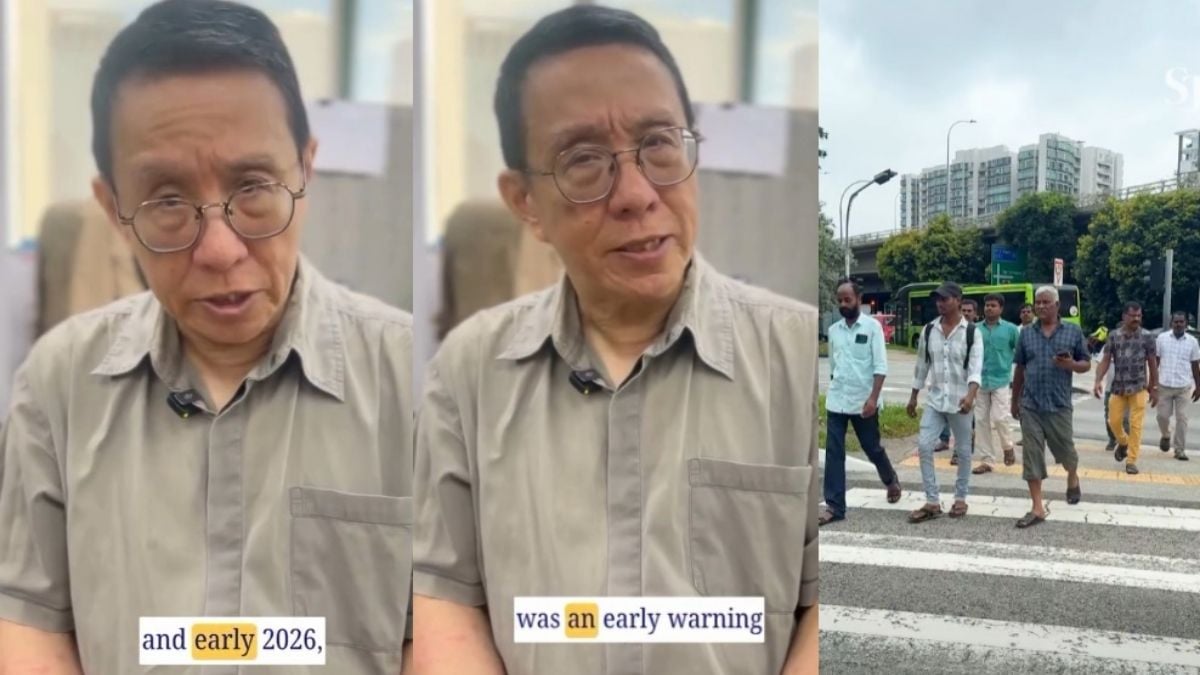
- TWC2 says it assisted six KPA Engineering workers with unpaid wage claims before mass complaints emerged.
- Alex Au, vice-president and human rights activist, called for salary insurance, citing repeated failures in dispute resolution systems.
- NTUC chief Ng Chee Meng said company directors may not be in Singapore as investigations into wage disputes continue.

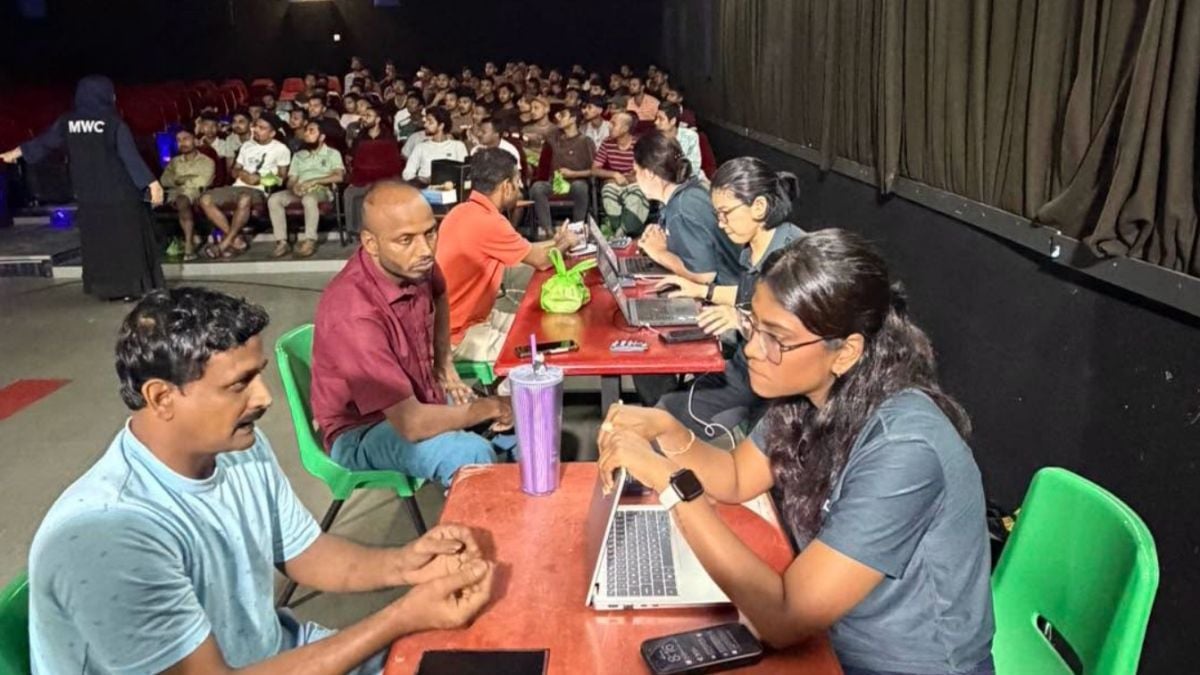
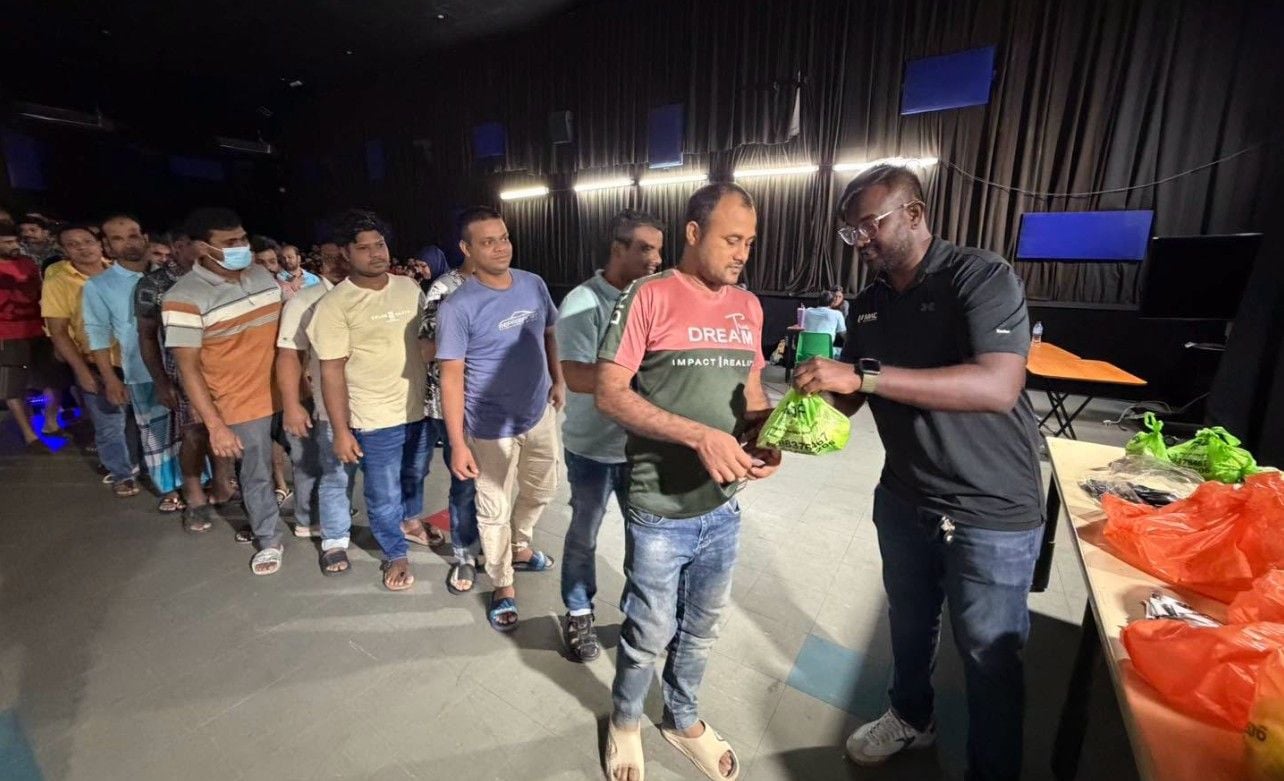
Singapore migrant workers’ rights group Transient Workers Count Too (TWC2) said it had flagged early signs of wage irregularities involving KPA Engineering well before more than 100 workers gathered at the Ministry of Manpower (MOM) services centre in Bendemeer on 22 June 2026 seeking assistance.
In videos posted on 23 and 24 June, the NGO outlined its account of repeated unpaid wage complaints linked to the company across 2025 and early 2026.
TWC2 Vice-President, Alex Au said six workers from KPA Engineering approached the organisation during this period, alleging that salaries had not been paid.
Au said TWC2 assisted these workers in filing salary claims against the company through formal channels.
He described the pattern as an early indicator of systemic issues within the employer’s wage practices.
“So in a way, there was an early warning signal that this company is in trouble,” Au said.
He also questioned the timing of regulatory escalation, asking, “Why did it take 100 workers approaching the Ministry of Manpower for serious action to be taken?”
Calls for systemic salary insurance reform
In a separate video released on 23 June, Au argued that Singapore should move beyond ad-hoc financial assistance and adopt a more structured protection framework for workers’ wages.
He said the current reliance on charitable or humanitarian support for affected workers was not sustainable.
Au said that over the years, TWC2 has proposed a salary insurance scheme requiring employers to purchase insurance that guarantees wage payment in the event of employer default.
Under this model, insurers would step in to pay outstanding salaries if employers fail to do so.
He said disputes over the exact amount owed could be resolved through formal adjudication processes such as the Employment Claims Tribunal.
“That way you ensure that the victims of the injustice still get proper resolution, even if the authorities are not able to find the employer,” Au said.
Limits of dispute resolution systems
Au also raised concerns about the effectiveness of existing dispute resolution mechanisms, noting that they often depend on locating and engaging employers.
He said that in cases where employers become uncontactable, the system can break down at an early stage.
TWC2 said it has encountered multiple cases where employers do not participate in mediation or fail to comply with court orders even after rulings are issued.
In such situations, workers are sometimes left without wage recovery and instead receive interim financial assistance from humanitarian organisations.
Employers become unreachable after wage disputes escalated
TWC2 said some workers reported that their employers had become unreachable after wage disputes escalated.
Au said this reliance on charity-based support was neither scalable nor dignified.
He added that the system leaves workers dependent on goodwill rather than enforceable financial safeguards.
He also referenced international models, pointing to the United Arab Emirates as an example where wage protection systems involve banks monitoring salary payments.
According to Au, such systems allow early detection of employer cash flow problems before disputes escalate into crises.
Investigation and worker complaints
MOM previously confirmed it is investigating KPA Engineering and SK Industries following complaints from workers, as authorities work to assist approximately 400 migrant workers who were left without pay and, until recently, without adequate food.
Several workers told local media they had gone months without receiving salaries.
Some also said they had been unable to contact company representatives regarding overdue payments.
Others reported arriving at company premises only to find offices locked and unattended after promised salary dates passed without payment.
On 24 June, National Trades Union Congress (NTUC) secretary-general Ng Chee Meng said directors linked to KPA Engineering and SK Industries “may not be in the country”.
Ng said tripartite partners, including the Tripartite Alliance for Dispute Management (TADM), had been attempting to contact the employers involved in the case.
Corporate links and directors’ whereabouts concerns
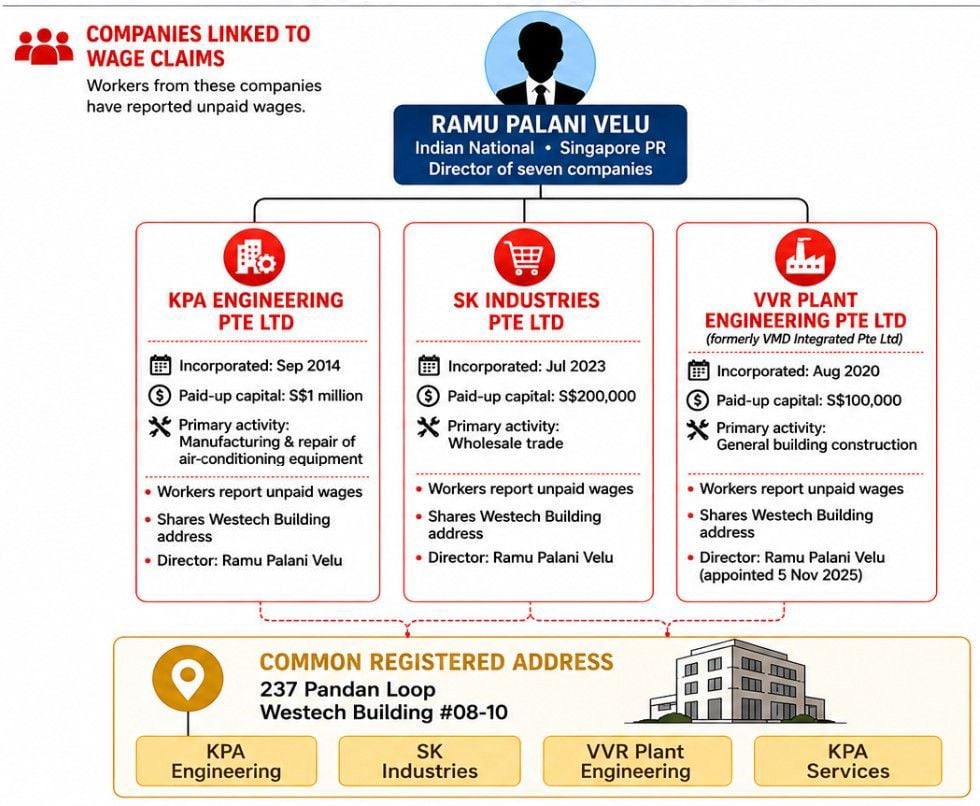
Corporate records cited by local reporting on 24 June indicated that KPA Engineering Pte Ltd (UEN: 201426210N), SK Industries Pte Ltd (UEN: 202328151R), and KPA Services Pte Ltd (UEN: 201613558R) share overlapping directors, shareholders, and a common registered address at Westech Building, 237 Pandan Loop.
The records further show that both directors of KPA Engineering are Indian nationals, with Ramu Palani Velu listed as a Singapore permanent resident and the other holding an Employment Pass or equivalent long-term pass, raising questions about their residency status if such passes have lapsed following operational shutdown.
As of 25 June, a third company, VVR Plant Engineering Pte Ltd, has emerged in the ongoing migrant worker wage dispute,
Business profile documents retrieved by The Online Citizen from the Accounting and Corporate Regulatory Authority (ACRA) confirm that VVR shares the same registered office address at Westech Building — and lists Ramu Palani as its director.
The Straits Times has identified Ramu as a director of seven companies in Singapore, all described as providing air-conditioning, plumbing, and building-related services.
NTUC chief’s statement that the directors “may not be in the country” aligns with concerns raised from corporate filings regarding their current whereabouts.
Questions have emerged over whether relevant authorities are verifying the immigration status and physical location of the individuals linked to the firms involved in the wage dispute.
TOC has separately submitted a comprehensive set of questions to MOM on 24 June regarding the sector classification of work permits issued to the companies, the current residency status of the directors, and the mechanisms available to protect workers' salary claims.
No response had been received at the time of publication, but updates will be included once replies are provided.