Former NMP Kok Heng Leun: Aid for unpaid migrant workers risks being "false generosity" that leaves system unchanged
Former NMP Kok Heng Leun has questioned whether aid given to unpaid migrant workers from KPA Engineering and SK Industries amounts to "false generosity" — drawing on Paulo Freire's concept of charity that addresses symptoms while leaving the structural causes of worker exploitation unexamined and unresolved by authorities.
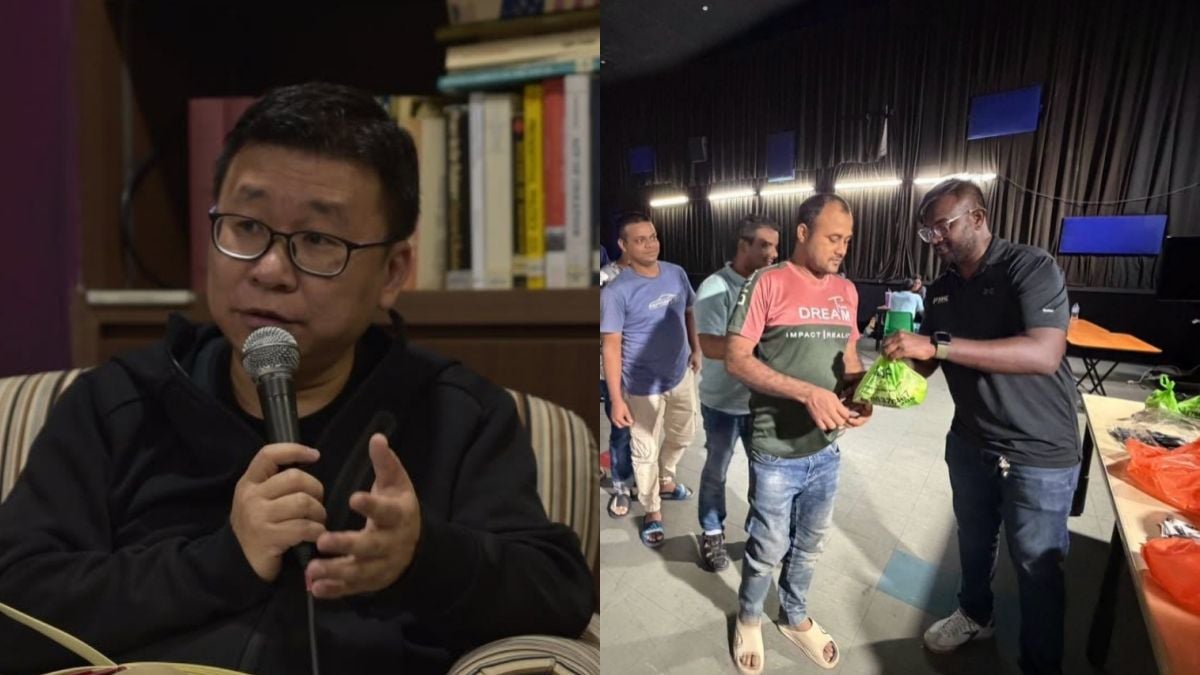

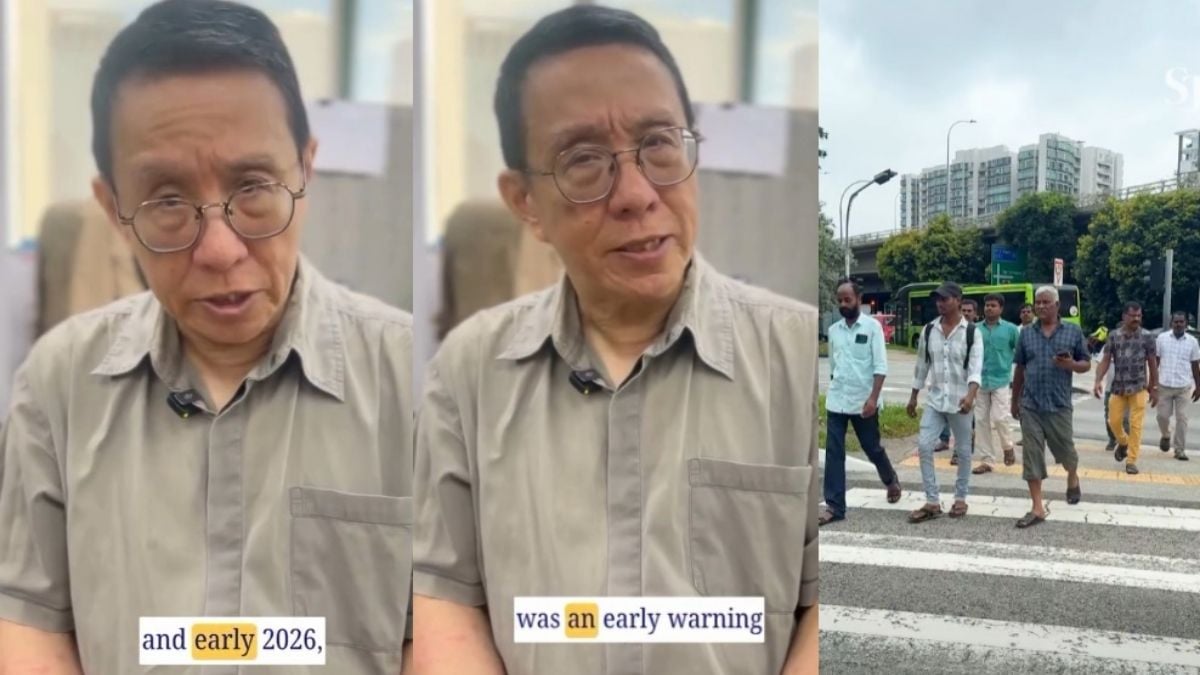
Former Nominated Member of Parliament Kok Heng Leun has questioned whether the government's response to the migrant worker wage crisis amounts to what he termed "false generosity" — assistance that addresses the immediate hardship of affected workers without confronting the systemic conditions that allowed the situation to develop.
In a Facebook post published on 29 June 2026, Kok drew on Brazilian educator Paulo Freire's concept of false generosity, outlined in Freire's 1968 work Pedagogy of the Oppressed.
Kok described the concept as charity that resembles genuine help — vouchers, handouts, gestures of giving — while leaving the underlying structures that produced the hardship unaddressed.
"The oppressed are placated. The giver gains public optics as being generous. And the structures that produced the suffering in the first place remain intact," Kok wrote, paraphrasing Freire's argument that such generosity can perpetuate injustice by requiring the continued existence of those in need in order for acts of giving to take place.
Aid measures described as "real help" but insufficient
Kok's post referenced the response to the approximately 400 migrant workers from KPA Engineering and SK Industries left unpaid for months after their employers allegedly became unreachable.
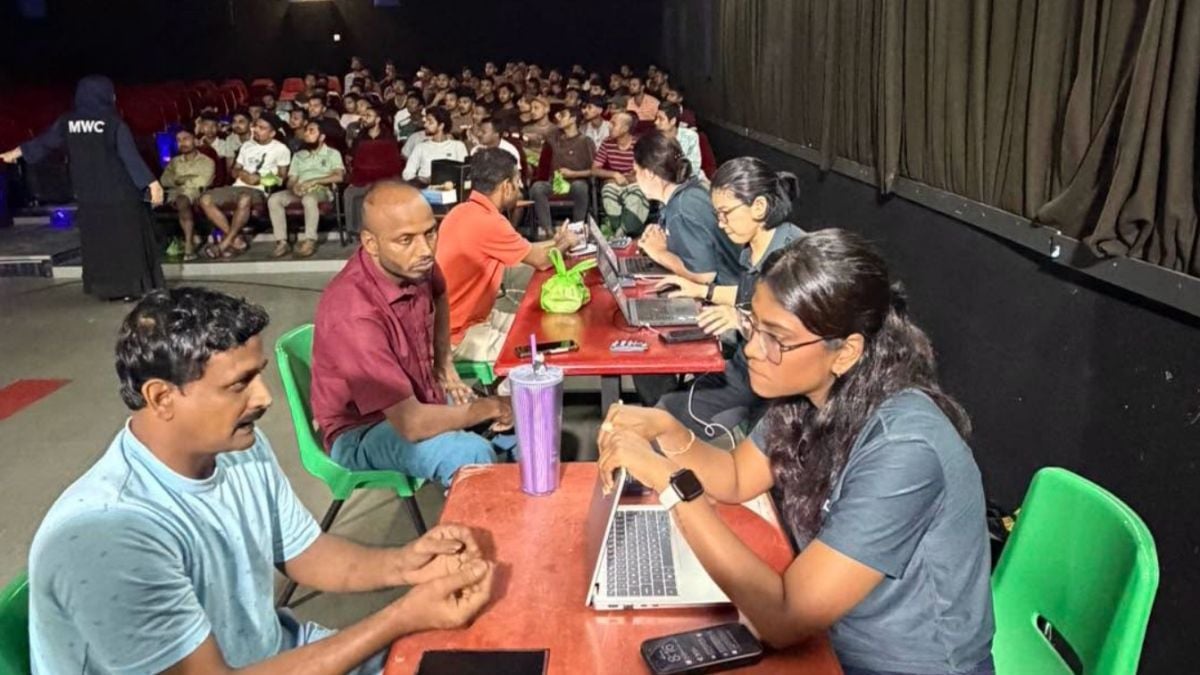
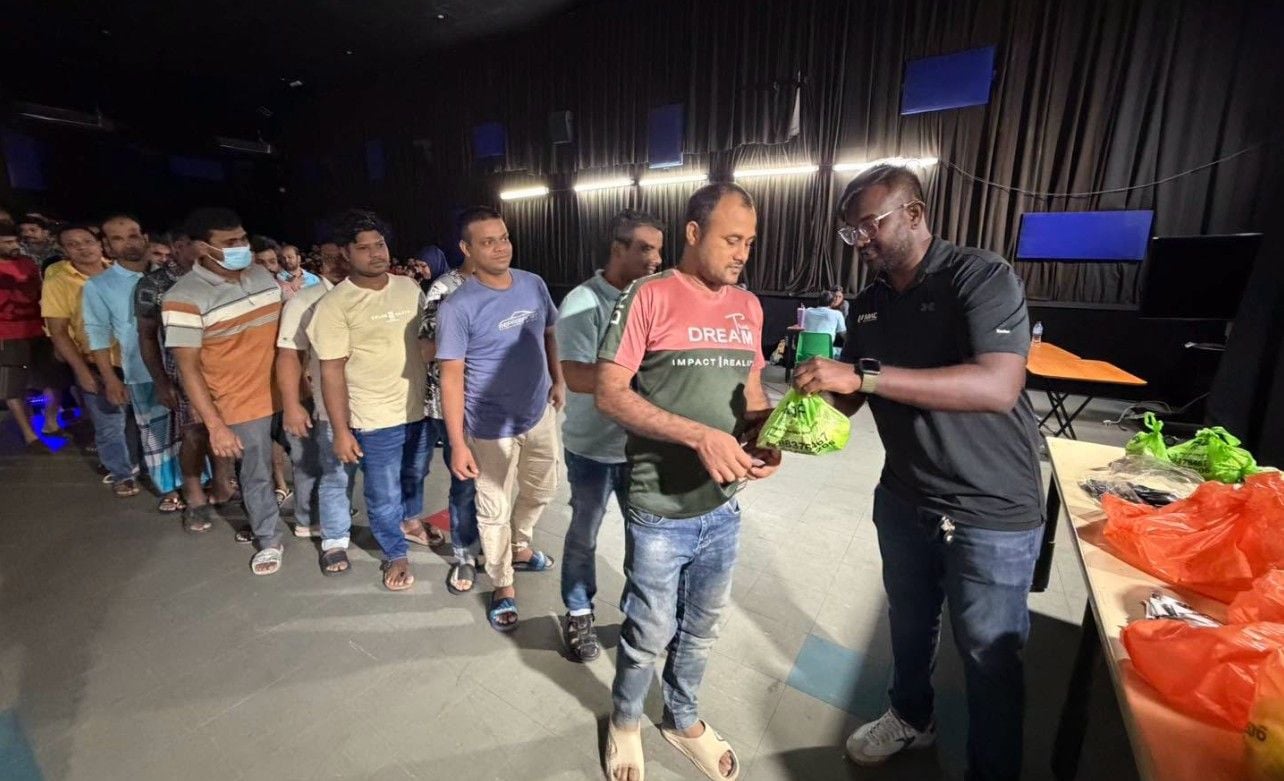
The assistance provided has included S$100 in cash, S$100 in FairPrice vouchers, job-matching support, and a pledge by authorities to pursue the employers involved.
Kok said he did not dismiss the value of this assistance to workers in difficult circumstances, describing it as "real help" to those affected.
However, he argued that the visible nature of such aid is precisely what makes the deeper structural problem harder to recognise.
"Even if the law does not pardon these employers — even if every cent is recovered and every director charged — the deeper question remains," he wrote.
He asked why the system allowed wages to go unpaid for months before intervention occurred, why existing worker protections failed to prevent the situation, and why workers rather than employers were left to bear the resulting financial uncertainty.
Kok wrote that he believed protections were generally calibrated toward employer flexibility, with workers left to absorb the consequences when arrangements break down.
"Charity arrives after the fall," he wrote. "The real question is why there was nothing to stop the fall in the first place."
Kok's post drew responses from individuals connected to migrant worker advocacy.
Stephanie Chok, executive director of the Humanitarian Organisation for Migration Economics (HOME), responded with support for the post.
Another commenter, commenting on the post, drew a direct parallel between non-payment of wages and theft.
"If you shoplift it is theft. Similarly, if you do not pay your workers, it should be wage theft, not a pay dispute," he wrote.
Another raised a separate concern about institutional engagement with systemic critique, stating that she had encountered groups of students who were explicitly discouraged from questioning systemic issues or policy in their academic projects on worker-related topics.
She said that when worker issues were raised, the response was typically that such matters would be addressed "on a case by case basis," and questioned how systemic improvement could occur for a foreign workforce numbering hundreds of thousands under that approach.
The wage dispute came to public attention on 22 June 2026, when more than 100 workers presented themselves at the Ministry of Manpower's service centre in Bendemeer reporting unpaid wages.
The number of affected workers grew to approximately 400 across three related companies — KPA Engineering, SK Industries, and VVR Plant Engineering — all linked to a common director, Ramu Palani Velu, an Indian national and Singapore permanent resident.
Ramu returned to Singapore and surrendered his passport to authorities on 28 June 2026, with Minister of State for Manpower Dinesh Vasu Dash confirming he is assisting with investigations.