KPA Engineering showed signs of financial distress as early as 2023 before migrant worker wage crisis
KPA Engineering, one of three firms linked to a migrant worker abandonment case affecting more than 400 workers, exhibited signs of financial difficulties as early as 2023 through bank charges registered with ACRA, raising questions over workers’ prospects of recovering unpaid wages.
- ACRA records indicate KPA Engineering faced secured bank charges before the migrant worker wage dispute escalated.
- More than 400 workers linked to three companies are receiving assistance over unpaid salaries and accommodation issues.
- Labour advocates say earlier wage complaints should have prompted stronger intervention and preventive safeguards.

SINGAPORE: KPA Engineering, an air-conditioner servicing company linked to a migrant worker abandonment case involving more than 400 foreign workers, reportedly exhibited signs of financial distress as early as 2023 through debt-related filings registered with the Accounting and Corporate Regulatory Authority (ACRA).
According to The Straits Times, HSBC registered a charge against the company in September 2023 over unpaid debts.
The filing was subsequently removed after the debt was repaid, indicating the obligation had been satisfied.
However, ACRA records later showed that DBS Bank registered two separate charges against KPA Engineering in September 2024, and the filings remain active on the corporate registry.
Growing financial concerns
The filings have drawn renewed attention as KPA Engineering is among three companies connected to an alleged migrant worker abandonment case that has left hundreds of workers seeking assistance for unpaid wages and accommodation.
The other firms are SK Industries and VVR Plant Engineering, with the affected workforce comprising more than 400 foreign nationals, primarily from India and Bangladesh.
The Online Citizen previously reported that KPA Engineering’s ACRA records the two DBS charges, both securing “all monies” owed by the company.
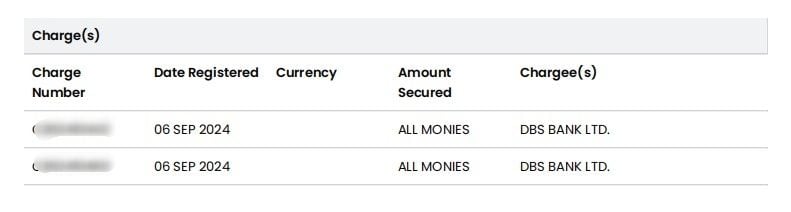
A charge is a form of security interest granted to a lender or creditor to secure repayment of a loan.
Should a borrower fail to repay its obligations, the creditor may claim company assets covered by the security, including land, buildings, machinery, shares or intellectual property.
Such charges are lodged with ACRA and are only removed after another filing confirms that the secured debt has been satisfied, either fully or in part.
The continued presence of the two DBS charges suggests the secured obligations remain outstanding.
Implications for unpaid workers
The outstanding bank charges may have implications for workers seeking to recover unpaid salaries.
Under Singapore insolvency law, secured creditors such as banks rank ahead of unsecured creditors during liquidation or winding-up proceedings. Employees with outstanding wage claims generally fall into the unsecured creditor category.
As a result, even if workers obtain salary awards through the Tripartite Alliance for Dispute Management (TADM), recovery from KPA Engineering’s remaining assets could be limited by the banks’ prior secured interests.
A senior banking executive, who declined to be identified, said lenders typically issue letters of demand when repayments become overdue and may subsequently pursue writs of summons.
The executive added that a charge may be registered with ACRA before any winding-up proceedings commence, with creditors holding fixed charges generally taking priority when company assets are distributed.
Company leadership and corporate records
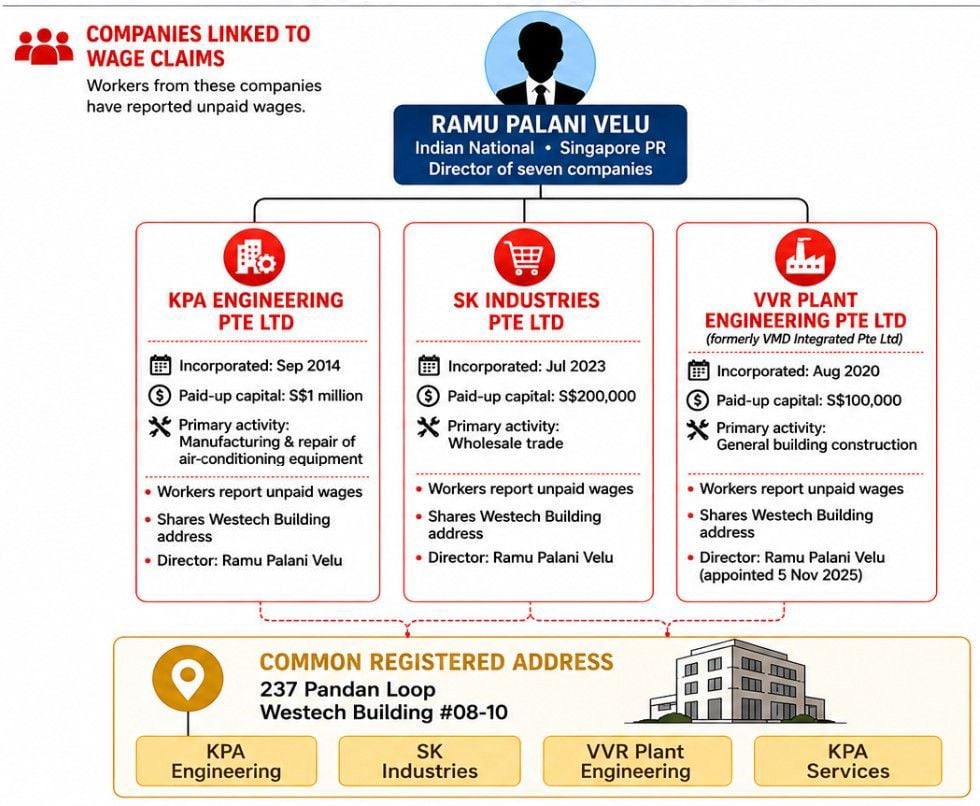
The Straits Times previously identified Indian national Ramu Palani Velu, a Singapore permanent resident, as director of KPA Engineering, SK Industries and VVR Plant Engineering.
Ramu is also listed as a director of four additional companies involved in air-conditioning, plumbing and building services. He is reported to have left Singapore.
Checks on corporate intelligence platform Sayari indicate that Ramu registered KPA Engineering in 2014, while Indian national Krishnamurthy Sundaramoorthy joined as co-director in 2020.
SK Industries was incorporated in 2023. VVR Plant Engineering, formerly known as VMD Integrated, listed Ramu as director in 2025 after he acquired the company from a local family.
No charges have been recorded in ACRA filings against the other companies linked to Ramu.
Workers recount months without salaries
Migrant workers interviewed by local media said they went for months without receiving their salaries and claimed their employers became unreachable as wage disputes escalated.
Some workers reported arriving at company premises after promised payment dates only to find offices locked and unattended.
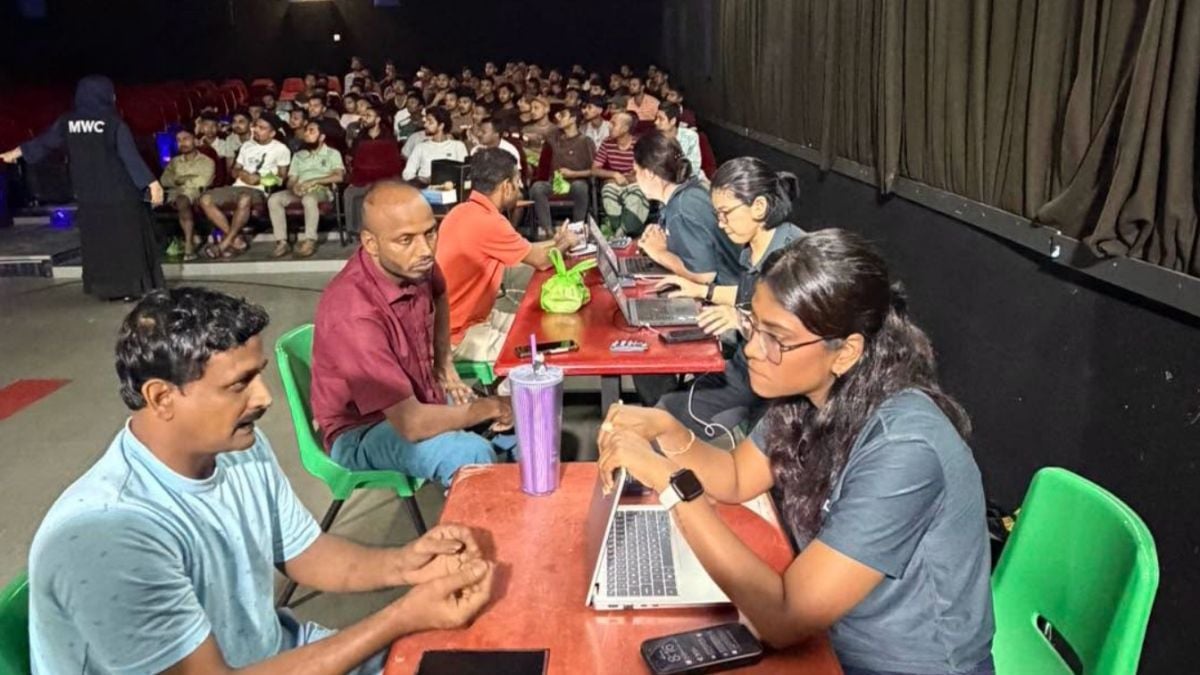
The allegations prompted widespread assistance efforts involving government agencies and labour organisations.
On 24 June, National Trades Union Congress secretary-general Ng Chee Meng said directors linked to KPA Engineering and SK Industries “may not be in the country”.
Ng said tripartite partners, including TADM, had been attempting to establish contact with the employers involved.
Authorities continue investigations
The Ministry of Manpower (MOM) has confirmed it is investigating KPA Engineering and SK Industries.
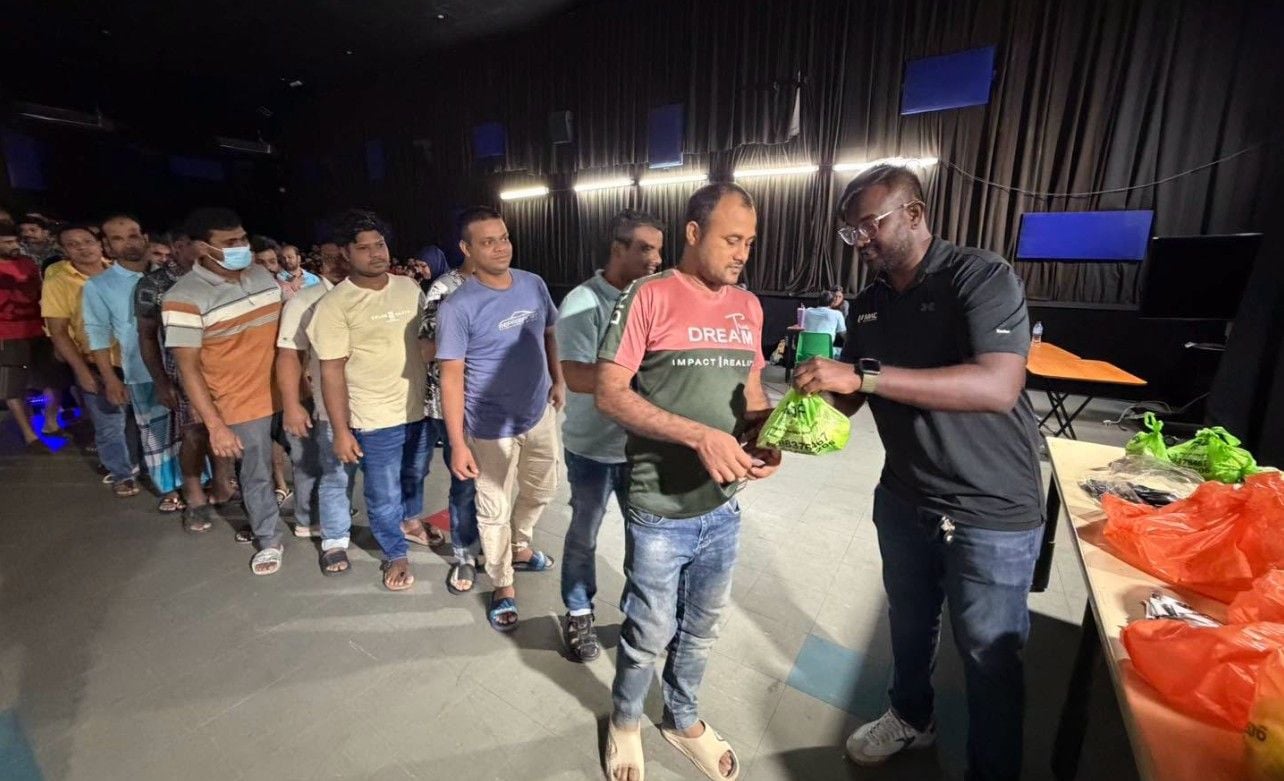
More than 400 workers connected to the three companies are receiving assistance from MOM, the Migrant Workers’ Centre and TADM.
The agencies and tripartite partners are helping affected workers secure temporary housing, explore new job placements and pursue resolutions for outstanding salary disputes.
Labour group cites earlier warning signs
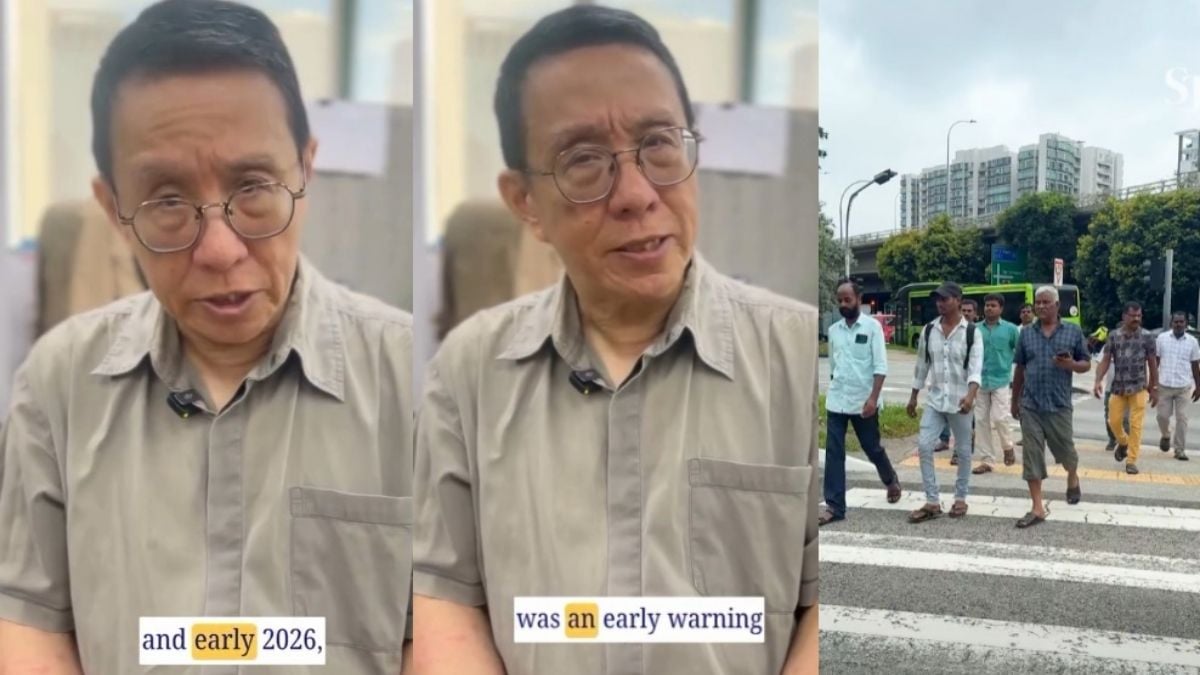
Transient Workers Count Too (TWC2) said it had identified warning signs involving KPA Engineering before large groups of migrant workers gathered outside MOM offices seeking assistance.
The organisation reported assisting six workers between 2025 and early 2026 in filing salary claims against the company.
TWC2 vice-president and human rights activist Alex Au described those earlier cases as an “early warning signal” of broader underlying problems.
He questioned why stronger intervention appeared to occur only after complaints escalated significantly and urged systemic reforms, including salary insurance schemes, to reduce recurring wage disputes and lessen reliance on charitable assistance.
Separately, The Online Citizen submitted a detailed set of questions to MOM regarding the work permit classifications issued to the companies, the current residency status of the directors, and safeguards available to protect workers’ salary claims.
No response had been received at the time of publication, but updates will be included once replies are provided.