Chee Hong Tat calls for Singapore to keep valuing loyalty and camaraderie after Dear You screening
National Development Minister Chee Hong Tat praised the Teochew-dialect film Dear You at a Singapore screening, urging society to preserve loyalty and camaraderie. Facebook commenters accused him of hypocrisy over the continued limits on dialect screenings.
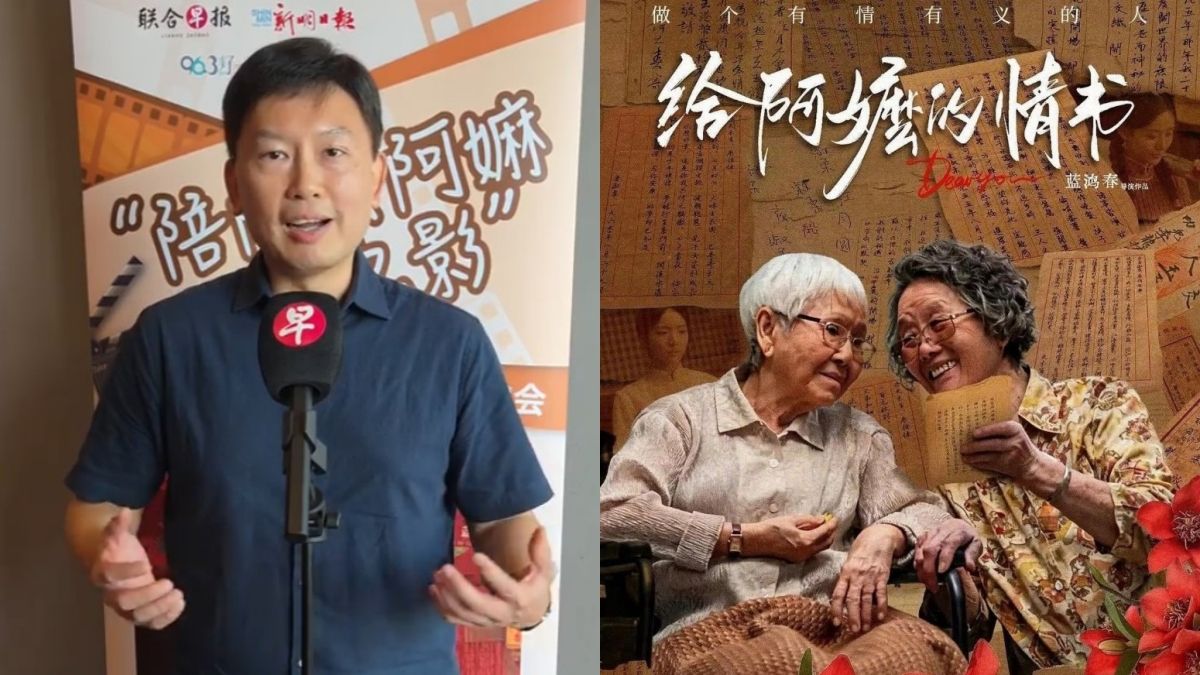

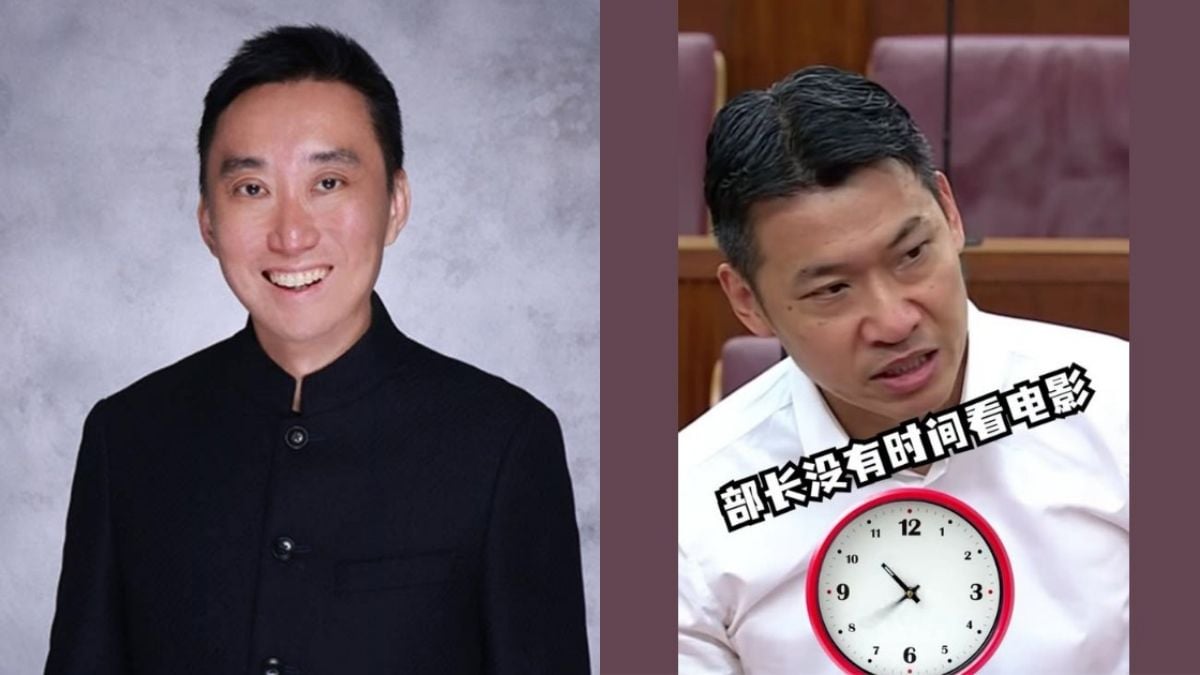
National Development Minister Chee Hong Tat has called on Singapore society to continue upholding the values of camaraderie and loyalty, saying this would foster a warmer and more harmonious community.
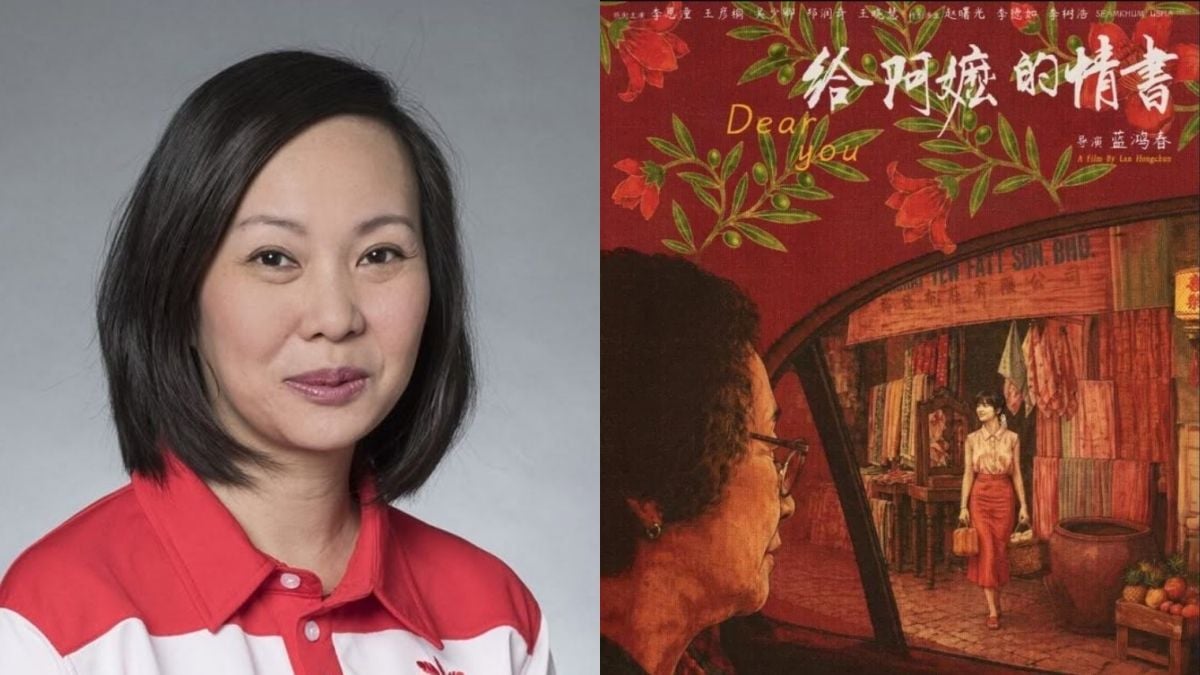
He made the remarks after watching the Teochew-dialect version of the hit film Dear You.
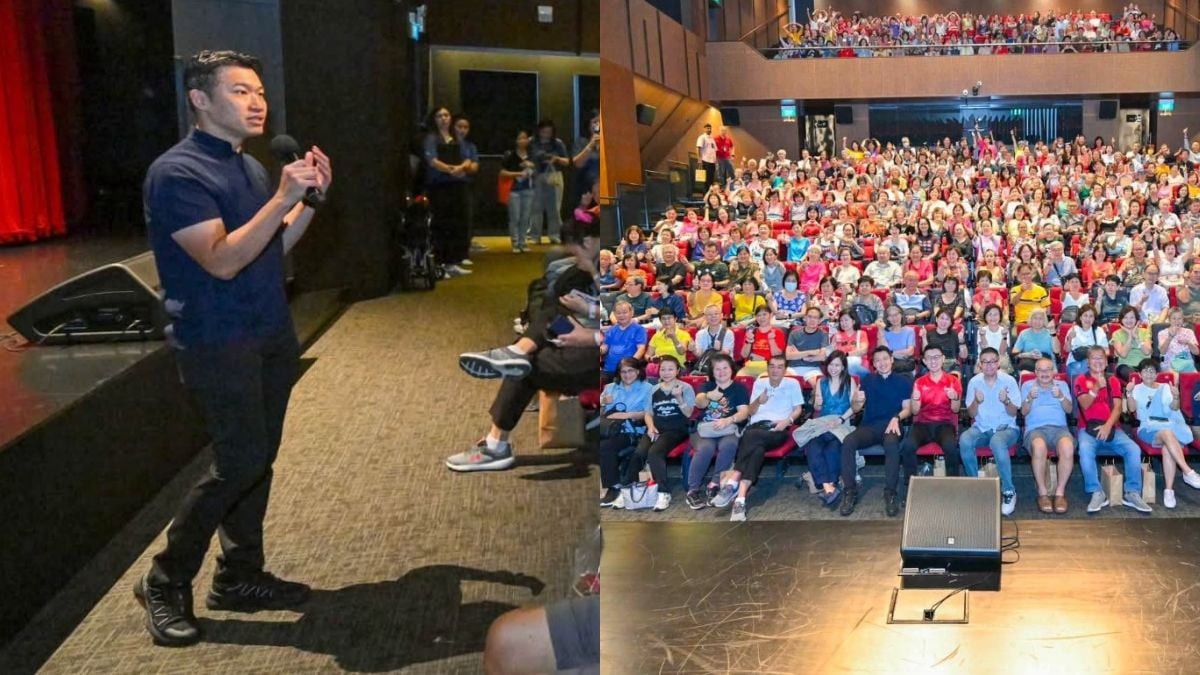
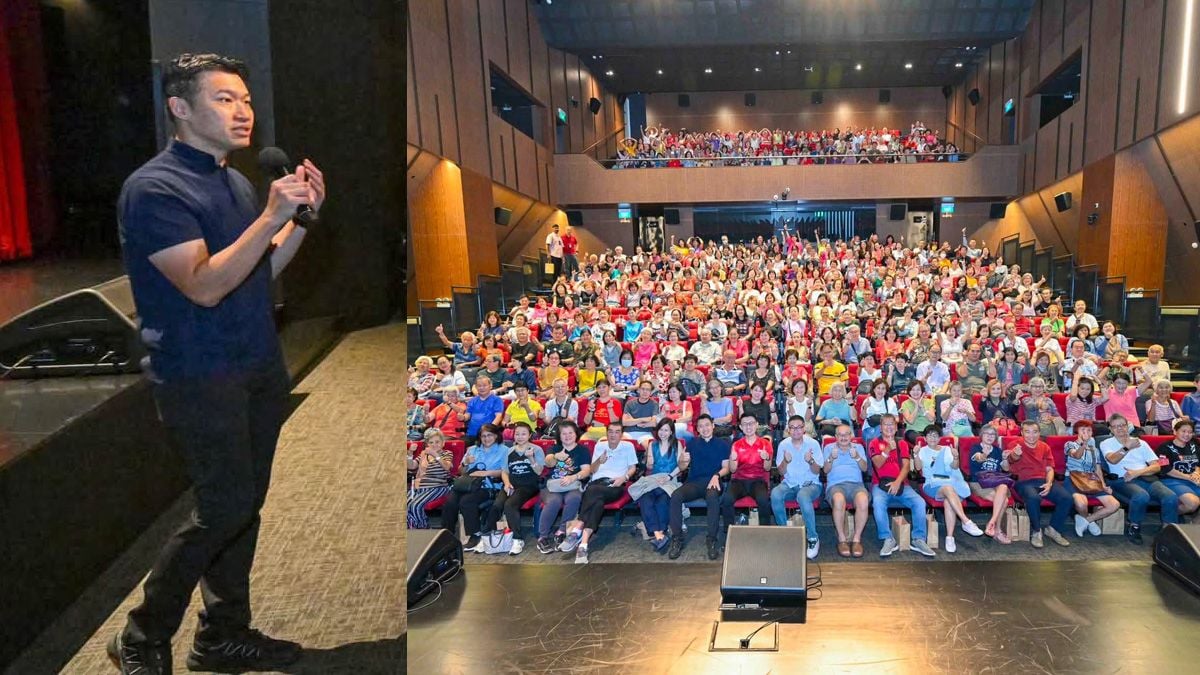
According to a report by Lianhe Zaobao, Chee spoke after attending the third screening of the original Teochew-dialect version of Dear You. It was organised by SPH Media's Chinese Media Group at GV Waterway Point on Saturday, 4 July 2026.
SPH Media group chief executive officer Chan Yeng Kit and Chinese Media Group president Lee Huay Leng also attended.
Chee said it was his first time watching the film and described it as excellently made and deeply moving. He said he did not shed many tears himself.
Still, he said several scenes touched him, including one in which two elderly women meet for the first time.
He said he was particularly struck by the line "one must be loyal and caring in life", which he felt reflected the attitude that Singaporean elders have traditionally held towards others. He said this spirit transcends dialect group and race.
"Only such a society can be warmer and more harmonious, a society of loyalty and camaraderie for generations to come," Chee was reported as saying.
Chee also said the film's appeal across Singapore, China and other regions came not only from its production quality and moving plot, but also from the positive message it conveys.
Dear You has been released in Singapore in both a Mandarin-dubbed version and an original Teochew-dialect version. Chee said his own dialect background is Hokkien, and that he understands only a little Teochew.
He said friends of Teochew descent had told him beforehand that the dialect used in the film differs slightly from Teochew as spoken locally, so he relied mainly on subtitles to follow the dialogue.
Even so, Chee said the Teochew version retained the most authentic local flavour and phrasing. He said some parts felt different when expressed in Teochew, and that characters speaking in dialect felt more intimate and sincere.
The screening was part of an event called "Watching movies with grandparents", organised by the Chinese Media Group. It was sponsored exclusively by DBS Bank and POSB, with support from distributor Clover Films.
Four Teochew-dialect screenings were held from 2 to 5 July.
Tickets for all four sessions were reportedly snapped up within minutes of online registration opening. Attendees at the Saturday screening received a copy of that day's Lianhe Zaobao and a themed pastry before entering the cinema.
Most attendees at the Saturday screening were elderly, though there were also younger and middle-aged moviegoers. Loh Swee Hua, 72, who is of Teochew descent, brought his wife Ong Swee Eng, 70, who is Hokkien.
The couple said they were fortunate to secure two tickets through their son.
Tan Ting, 38, a Chinese-language teacher originally from Changsha, China, attended with her husband and family. She said this was her second time watching the film and that she cried through two packets of tissues on both occasions.
Chee Wan Leng, 37, a financial planner born and raised in Singapore, attended with her brother Chee Beng Wee, 30, an engineer.
She said she does not understand Teochew and had never watched a dialect film before, but was still moved.
She said many young Singaporeans today are not even fluent in Mandarin, let alone dialects, and that reviving interest in dialect would not be easy. Still, she said preserving it mattered for the cultural heritage of Singaporean Chinese.
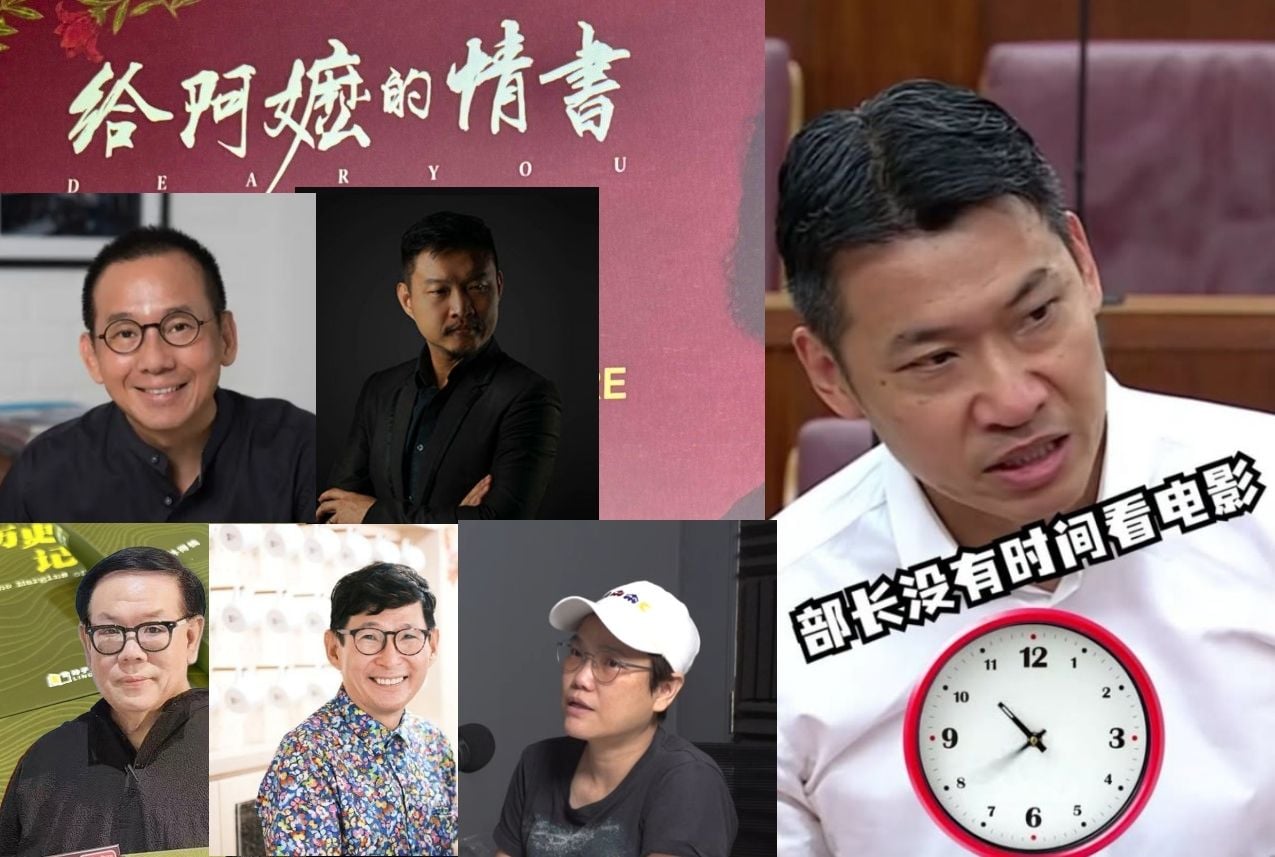
Zaobao's report and accompanying video drew a large volume of public comment on Facebook, much of it critical of the minister's remarks given continuing restrictions on dialect-film screenings in Singapore cinemas.
One Facebook commenter asked why elderly Singaporeans still could not buy tickets for Teochew screenings, arguing that the minister spoke of loyalty and camaraderie while restricting dialect sessions.
"We judge you by your action, not by your words," the commenter wrote.

Other commenters said the government's rhetoric contradicted the reality that elderly moviegoers had queued repeatedly and unsuccessfully for tickets, at cinemas some distance from home and at prices above those of ordinary films.
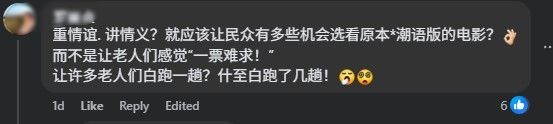
One commenter said Singapore's media regulator had initially approved only eight Teochew screenings, arguing this showed the authorities had misread public sentiment and were now "doing damage control" by adding more sessions.

Another commenter asked directly why Chee had not instead watched the Mandarin-dubbed version to "lead by example", given that ordinary members of the public could not always secure tickets to the dialect version he had praised as more authentic.
Not all comments were critical of the film. One commenter said the film's strength lay in its sincerity, at a time when society was saturated with misinformation and insincerity.
Others reminisced about elderly relatives and the fading use of dialect within Chinese families generally.


A number of commenters used the discussion to raise unrelated and more politically charged claims, including allegations that the film was linked to Chinese state influence efforts.
Others argued, conversely, that Zaobao's own coverage was unfairly hostile to China. These claims could not be independently verified.
Zaobao's report of Chee's remarks, as reflected in the article, focused on his personal response to the film and his experience of the Teochew-dialect version.
It did not show him directly addressing the criticism over the availability of dialect screenings in Singapore cinemas generally.
Chee has past ties to the ministry now responsible for that policy area. He was appointed Minister of State for Health and for Communications and Information on 1 October 2015.
In 2017, he was promoted to Senior Minister of State for Health, Communications and Information, a position he held until 30 April 2018.
The Ministry of Communications and Information has since been renamed the Ministry of Digital Development and Information (MDDI). MDDI oversees the Infocomm Media Development Authority (IMDA), the regulator that approves dialect-film screenings.
The broader restriction has been a subject of public debate in Singapore since Dear You's Mandarin-dubbed release in June. Long-standing rules linked to the Speak Mandarin Campaign require Chinese films to be released in Mandarin.
Dialect versions are considered for approval on a case-by-case basis.
IMDA said in June it would take a more flexible approach to approving dialect-film screenings, after initial Teochew-dialect sessions of Dear You sold out rapidly, leading to further rounds of screenings being approved.