Arts community slams David Neo's 'no time to watch movies' remark, citing disconnect with arts & heritage sector
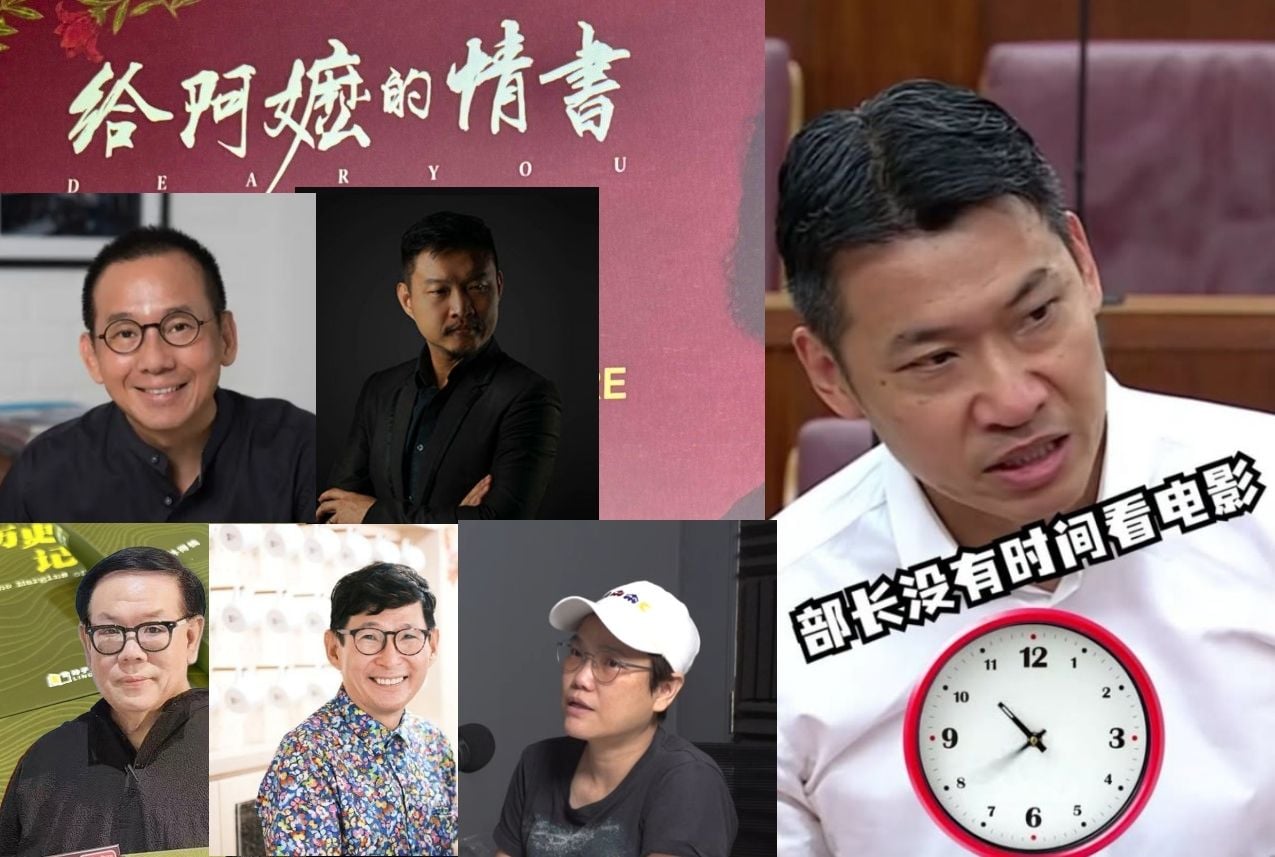
Artists, filmmakers, heritage practitioners and members of the public have criticised Acting Culture, Community and Youth Minister David Neo's remark that ministers have "no time to watch movies", arguing it reflected a perceived disconnect from Singapore's arts, culture and public sentiment.
- Arts figures argued David Neo's remark reflected a perceived disconnect between policymakers and Singapore's cultural sector.
- Critics said the issue extends beyond one film to whether political leaders sufficiently understand the role of arts and culture.
- The reactions followed Parliament's discussion on dialect-language films as IMDA reviews its framework governing dialect use.

Artists, filmmakers, heritage practitioners and social sector leaders have criticised Acting Culture, Community and Youth Minister David Neo after he remarked in Parliament that "ministers have no time to watch movies" during an exchange on dialect-language films.
They argued the response appeared dismissive of the arts and reflected a perceived disconnect between political leaders and the cultural sector.
Many within Singapore's arts community argued the controversy extends beyond a single film.
They said it raised broader questions about whether those responsible for shaping cultural policy fully appreciate the significance of cinema, language and the arts in preserving heritage and strengthening social cohesion.
David Neo: "Ministers had no time to watch movies"
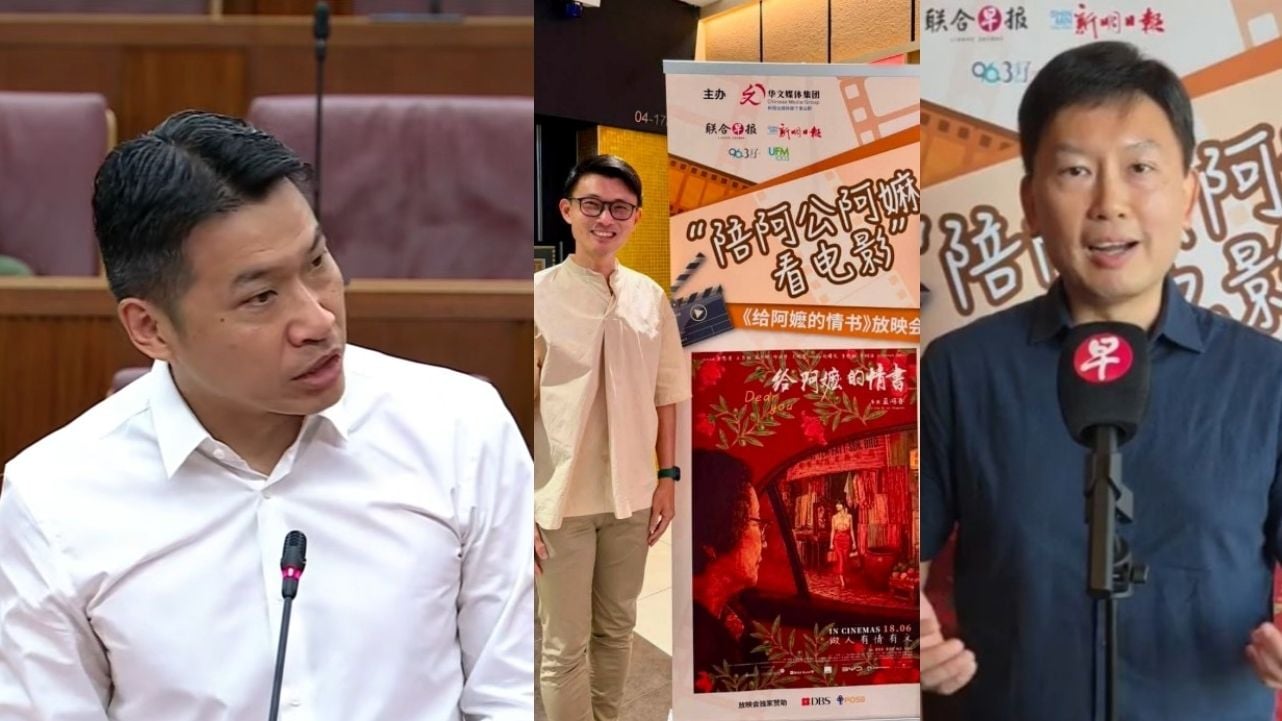
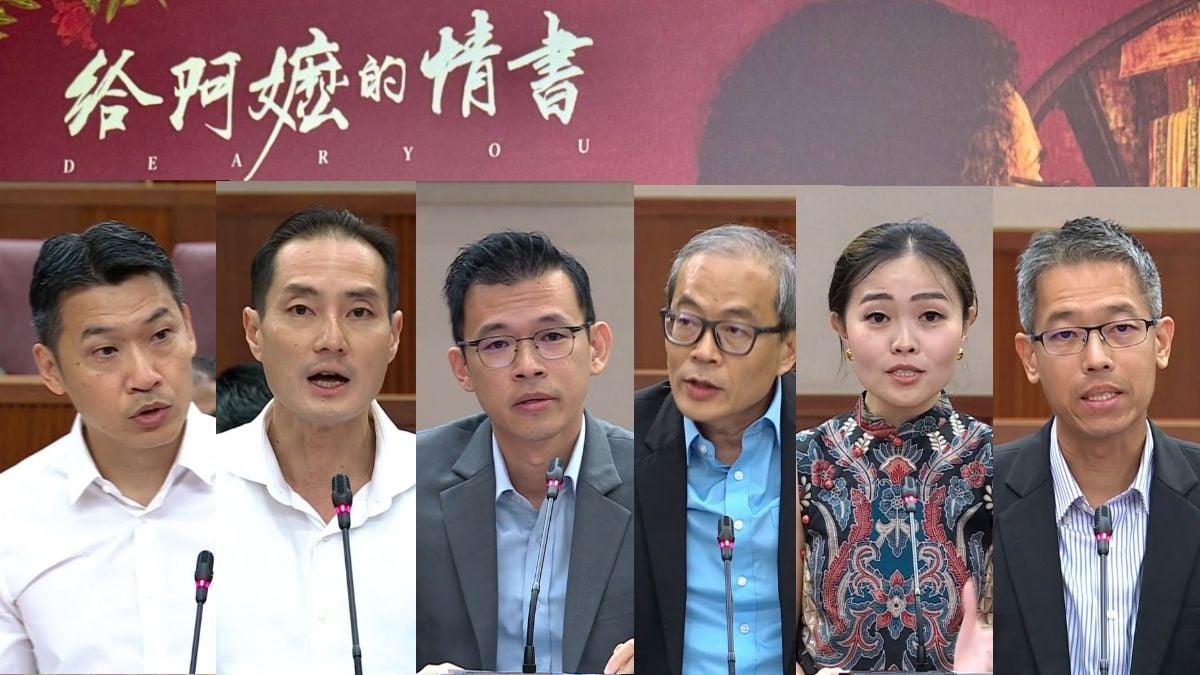
On 7 July 2026, during Parliament's debate on dialect-language films, Aljunied GRC MP Kenneth Tiong asked in a supplementary question whether the Government's objective was to promote Mandarin or restrict dialects.
He urged the Government to review measures that "exist purely to restrict dialects", including regulations affecting films and broadcasting.
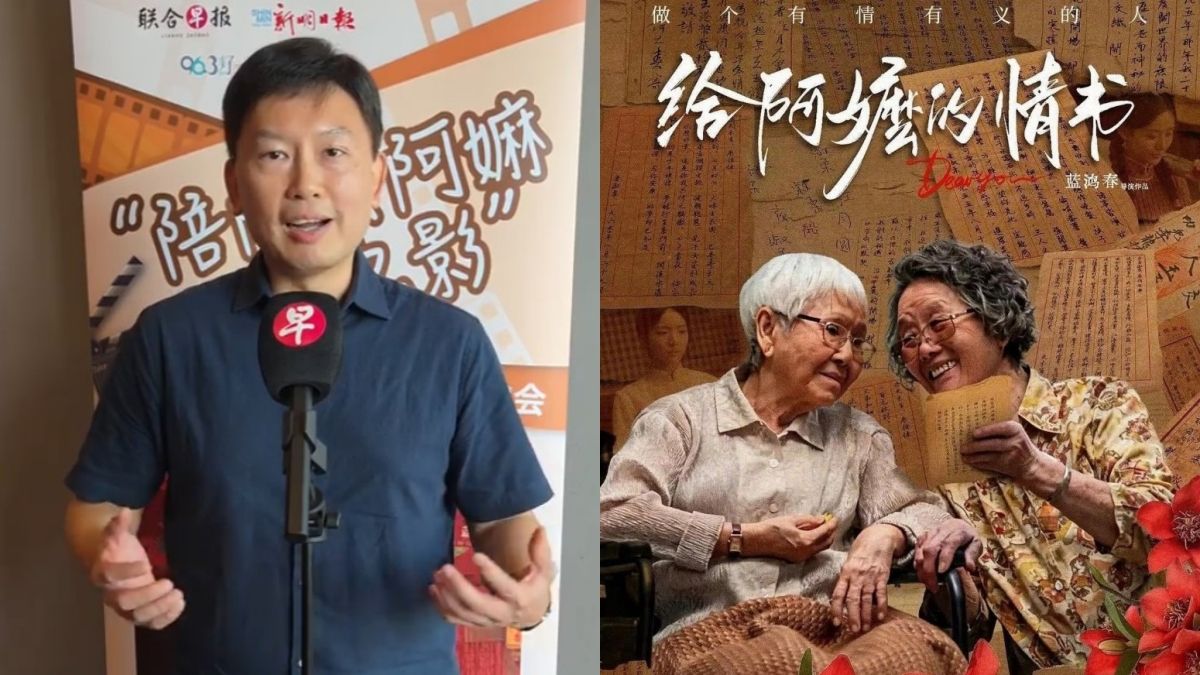
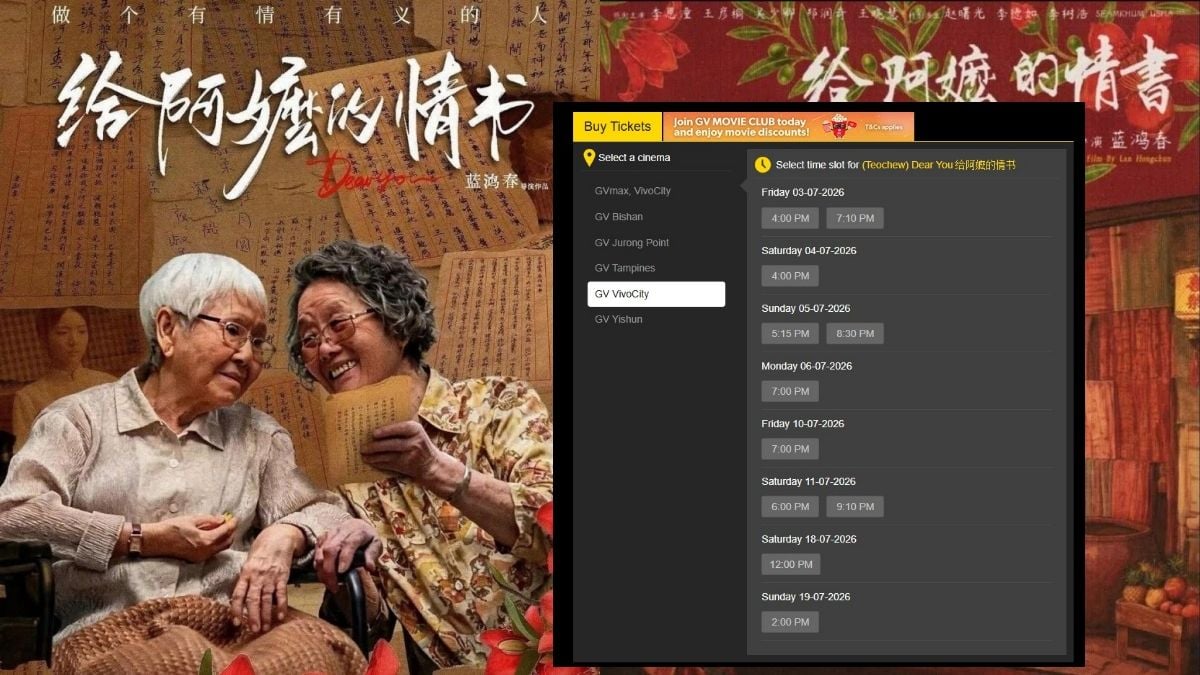
Tiong also asked whether ministers had watched either the Mandarin or Teochew version of the film Dear You.
Responding in Mandarin, Neo quipped that "ministers had no time to watch movies".
He added that the Government recognised the unique contribution of dialects to Singapore Chinese culture and regularly worked with clan associations to promote dialects and their heritage.
The Government also informed Parliament that the Infocomm Media Development Authority (IMDA) is reviewing the film classification framework governing the use of dialects in films.
However, it stopped short of committing to lift existing restrictions on dialect-language cinema releases.
Arts community says remark reflected perceived disconnect from culture
Veteran film producer Daniel Yun was among the members of the film community to respond publicly.
Writing on Facebook, Yun recalled once asking a friend whether he had watched a local television programme, only to receive the reply: "Daniel, I don't watch TV."
Yun acknowledged that many people were genuinely busy. However, he argued that Neo's remark carried "something dismissive" and implied that the arts, media and entertainment were considered less important than other responsibilities.
"It may be true to some extent, we are all busy. But there is something one upmanship here, something dismissive, and definitely an implication that the arts, the media, entertainment, are lower priority and hence less important," Yun wrote.
He further argued that politicians occasionally revealed how they viewed culture through seemingly casual remarks, even when holding responsibility for the portfolio.
In the comment section, Yun added: "Minister, as a pioneer filmmaker in Singapore, I take offence."
Eric Wong: Watch more films. They don't just tell stories
Award-winning Singapore film director Eric Wong also weighed in, without naming Neo directly.
Wong argued that films were more than entertainment, saying they allowed audiences to experience the lives of others, encouraged empathy and preserved languages, traditions and shared memories.
"Films do more than entertain," he wrote.
According to Wong, stories have the power to make audiences laugh, cry, question, dream and sometimes even change.
He said films help build empathy by allowing people to understand lives they have never lived while preserving cultural traditions for future generations.
"A good film doesn't just end when the credits roll. It stays with us, shaping the conversations we have and the people we become," he wrote.
Wong encouraged political leaders to engage more actively with cinema.
"Watch more films. They don't just tell stories. They help write ours and in the process hopefully become a more cultured nation."
Heritage practitioners call for greater appreciation of popular culture
Singapore-based heritage researcher, community associate and veteran theatre practitioner Khoo Ee Hoon argued that popular culture should not be treated as something trivial.
"Popular culture is a culture," Khoo wrote.
She argued that watching films was an important social and cultural activity rather than a luxury, saying cinema provided relief from everyday pressures while creating opportunities for reflection, discussion and connection between generations.
Khoo also argued that Neo's response suggested a disconnect from ordinary Singaporeans and criticised what she described as an unhelpful joke.
Instead, she suggested a more empathetic response would have acknowledged ministers' demanding schedules while recognising the overwhelming public interest in dialect films and assuring Singaporeans that the Government would carefully study the issue before considering policy changes.
She argued such a response would have better demonstrated understanding of public sentiment while balancing broader considerations surrounding Singapore's multilingual society.
Publisher questions minister's preparedness and EQ
Denon Lim, founder of publishing company Lingzi Media, also criticised Neo's response in a Facebook post written in Mandarin.
Lim argued the minister's remark had "touched a nerve" for many people and suggested he should strengthen his emotional intelligence.
He questioned whether saying there was no time to watch the film gave the impression that the minister had not sufficiently prepared for a parliamentary discussion centred on a movie that had become an important catalyst for public conversation.
Social sector leader says film has become cultural phenomenon
Samuel Ng, founder and chief executive of social service agency Montfort Care, similarly encouraged ministers to watch Dear You.
Writing in Mandarin, Ng argued the film had become far more than a typical cinema release.
He said the movie had generated widespread attention across China, Southeast Asia and Chinese-speaking communities worldwide, attracting audiences who rarely visited cinemas and leaving many deeply moved.
Ng added that the local response had been particularly significant because it brought elderly Singaporeans, accompanied by their children and grandchildren, back into cinemas to watch a dialect-language film together.
He argued that the film resonated across generations by reconnecting audiences with family memories, language and identity.
Ng also said the movie had contributed to growing public calls for the Government to relax or remove restrictions on dialects.
According to Ng, the discussion had also prompted broader reflection on national identity, particularly how Singaporeans viewed their Chinese heritage while maintaining a distinctly Singaporean identity.
He argued that Dear You represented a broad and profound cultural experience rather than simply a form of entertainment, adding that watching it could provide ministers with deeper insight into Singapore's evolving cultural landscape.
Public comments focus on tone and empathy
Comments responding to Yun's Facebook post similarly centred on Neo's tone during the parliamentary exchange.
Several commenters argued the response appeared dismissive, with one describing it as "condescending" and another saying it demonstrated a lack of emotional intelligence.
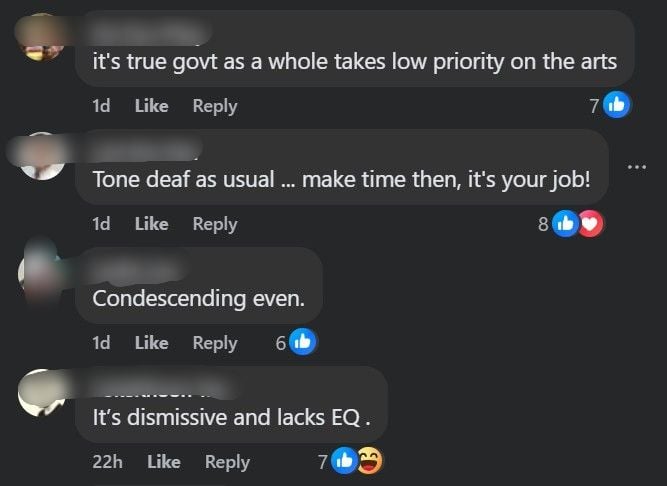
Others argued a minister could have acknowledged the public concerns more tactfully instead of appearing to trivialise the issue.
One commenter wrote that Neo could have been "more professional to tactfully respond, and not trivialise and dismiss the question", while another argued the exchange suggested he had avoided addressing the substance of the issue.
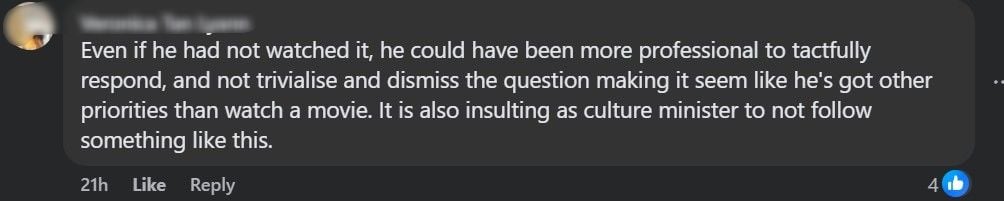
Questions were also raised about whether someone overseeing Singapore's culture portfolio should make time to understand a film that had become a significant national conversation.
Comments included, "That's literally his job" and "He should be watching though, since he's the Acting Minister!"
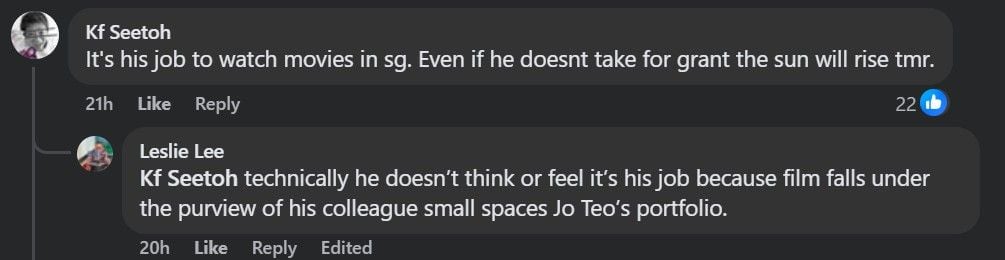
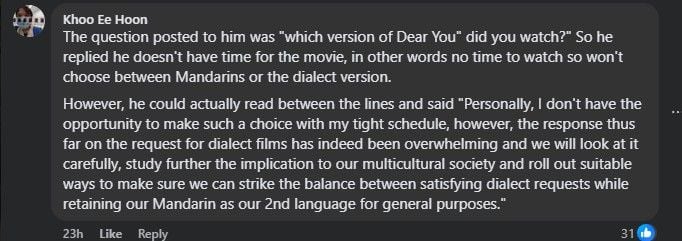
Some commenters acknowledged that ministers maintained demanding schedules but argued the prominence of the film warranted personal attention from the minister responsible for culture.
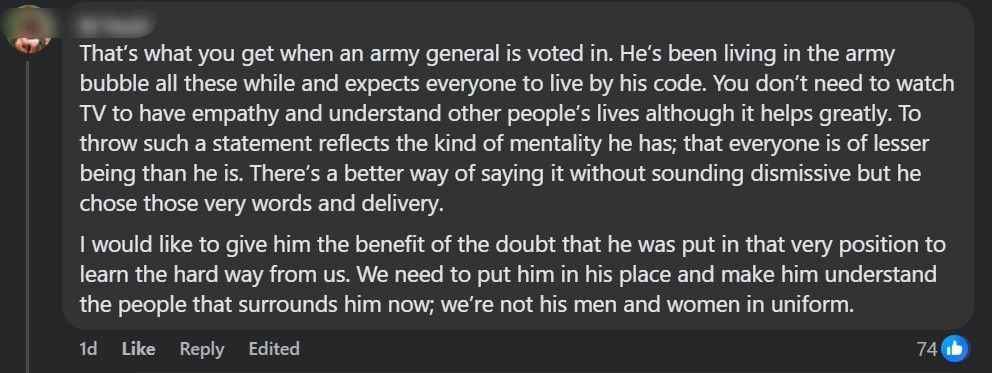
Others linked Neo's military background to his response.
One commenter argued he had been "living in the army bubble" and needed to understand that ordinary Singaporeans were "not his men and women in uniform".
Another said the exchange reflected a broader gap between political leaders and members of the public.
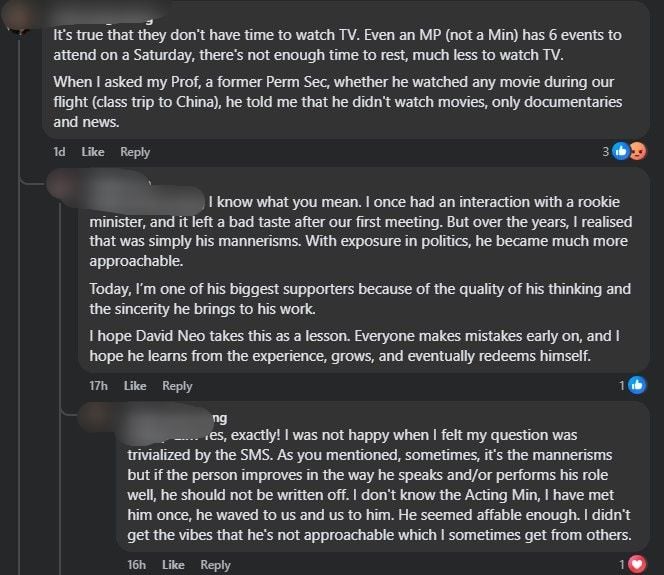
A smaller group defended Neo's remark, arguing that not watching a movie did not necessarily indicate disrespect for culture and that ministers often faced heavy workloads that limited their personal time.
Crystal Lim-Lange says issue concerns cultural identity
Author Crystal Lim-Lange also criticised Neo's remark in a video posted on Instagram.
She described it as "not a good joke", arguing that it failed to engage with an issue closely connected to cultural identity.
Lim-Lange said dialect and cultural heritage were "not just a policy thing, it's an identity thing" that shaped how Singaporeans connected with their roots.
She argued that what she described as a "throwaway joke" risked trivialising an issue that carried deep emotional significance for many Singaporeans and could come across as "almost condescending".
Lim-Lange also questioned whether an Acting Culture, Community and Youth Minister saying he had no time to watch films could create the perception that he was out of touch with popular culture.
She said Neo did not necessarily need to have watched Dear You personally. However, she argued he could have acknowledged why the film resonated with many Singaporeans before explaining the Government's policy position.
"Communication is all about connection," Lim-Lange said, adding that public leaders should remain "in sync" with the broader community.