PSP's Wendy Low links Dear You to Singapore identity, dialects, ASEAN ties and filmmaking ambitions
Progress Singapore Party's Wendy Low has argued that Dear You could spark wider conversations on Singapore's identity, dialect heritage, ASEAN connections and local filmmaking, as debate continues over IMDA's review of restrictions on dialect-language films.
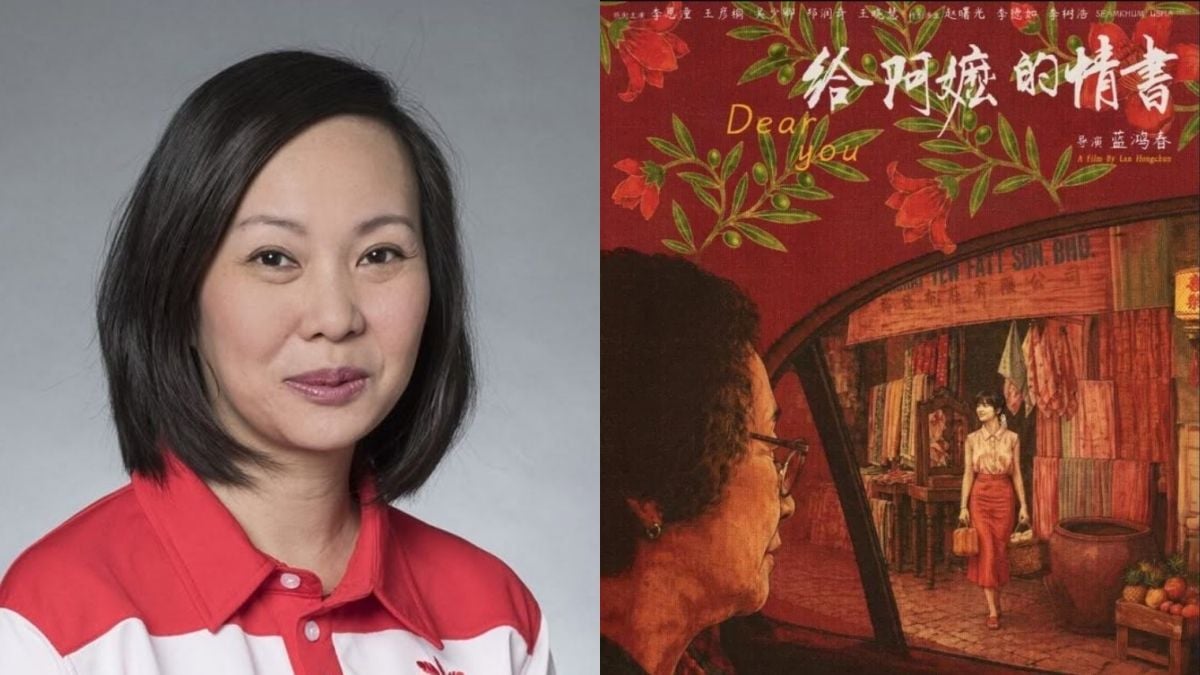
- Wendy Low said Dear You could strengthen Singapore's cultural identity while reinforcing ASEAN's shared heritage.
- She argued dialects, migration history and community values remain relevant beyond nostalgia and deserve renewed attention. Her comments followed Parliament's confirmation that IMDA is reviewing, but not removing, restrictions on dialect-language films.

SINGAPORE: Progress Singapore Party (PSP) Head of Communication and Women's Wing chair Wendy Low has argued that the Teochew-language film Dear You could become more than a box office success, suggesting it may help reshape conversations on Singapore's identity, dialect heritage, ASEAN connections and the future of local filmmaking.
In a Facebook post published on 14 July 2026, Low said that despite extensive public debate surrounding the film, several broader questions remained unresolved.
Low framed Dear You as an opportunity to examine Singapore's cultural confidence, historical connections across Southeast Asia and the role of storytelling in strengthening national identity.
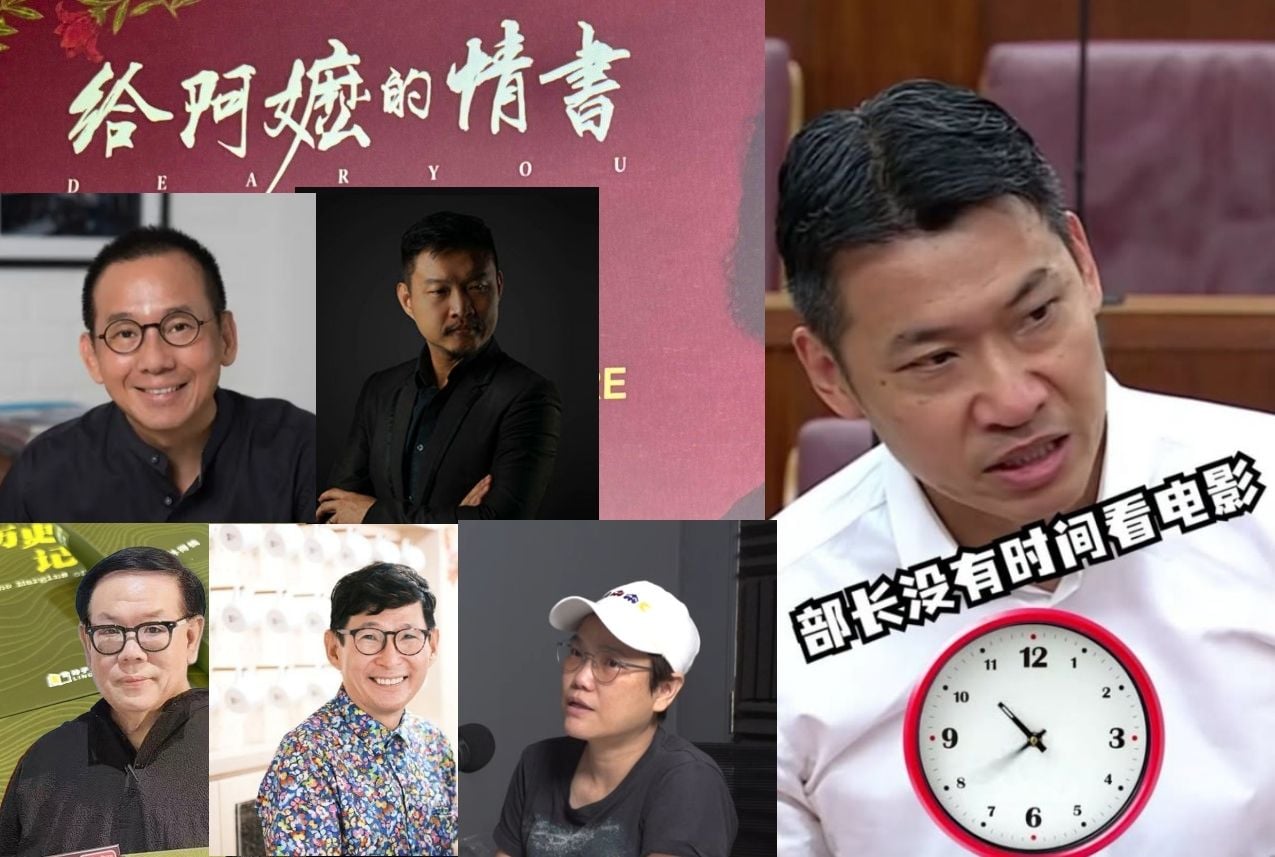
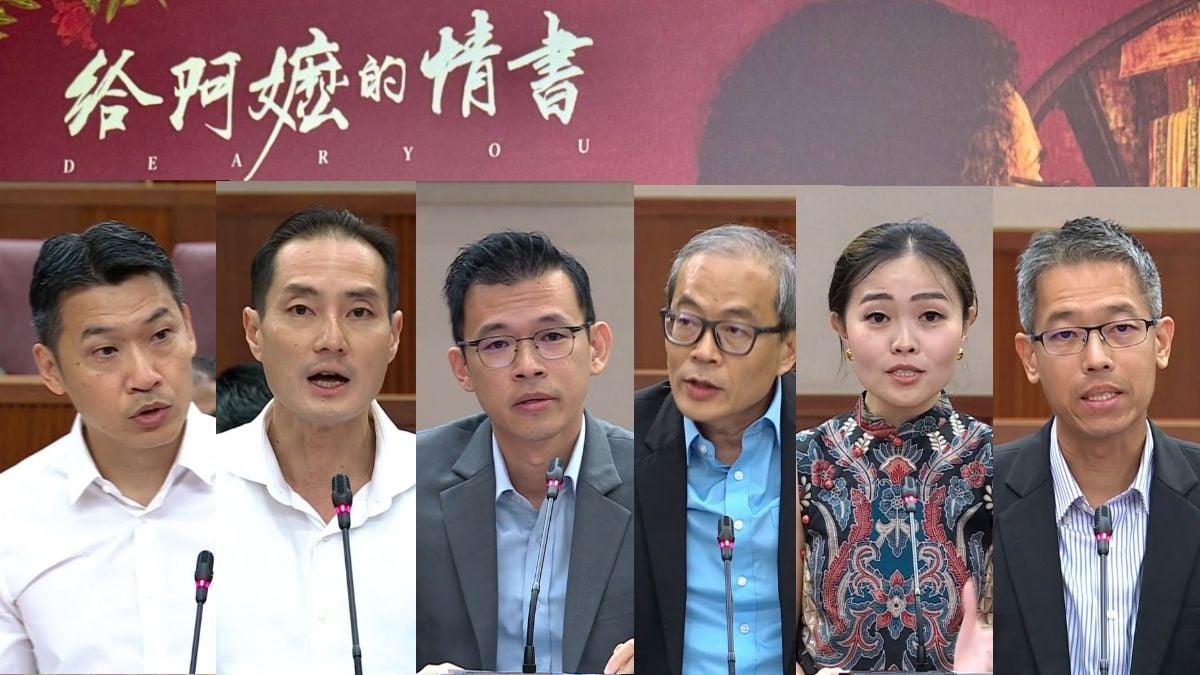
Her comments come a week after Parliament debated the Government's approach towards dialect-language films, with ministers confirming that the Infocomm Media Development Authority (IMDA) is reviewing the current film classification framework while stopping short of committing to remove existing restrictions.
Cultural identity and confidence
Low, also the PSP candidate for Chua Chu Kang GRC during 2025 General Election, first questioned whether Dear You could help rebuild cultural ties between Singaporean Chinese and China without weakening Singapore's own national identity.
She argued that Singapore occupies a unique position amid growing geopolitical competition between the United States and China because Singaporeans understand both societies.
"Cultural confidence and political allegiance are not the same thing," she wrote.
Low suggested Singapore should be able to celebrate its cultural heritage without having its national loyalty questioned, describing the two issues as fundamentally different.
Dialects as an ASEAN bridge
Low also argued that Chinese dialects should not be viewed simply as symbols of nostalgia.
Instead, she suggested dialects such as Teochew, Hokkien, Cantonese and Hakka form part of a much broader network of historical connections stretching across Singapore, Malaysia, Thailand, Indonesia, Vietnam and other Southeast Asian countries.
She said these linguistic links reflected centuries of migration and commerce that connected communities throughout the region.
Low broadened the discussion beyond Chinese communities, pointing to the shared migration histories of Tamil labourers, Malay seafarers, Bugis traders, Javanese settlers and Sikh policemen.
She argued that Dear You was "not just about speaking Teochew" but also about recognising ASEAN's shared history of migration, movement and cultural exchange.
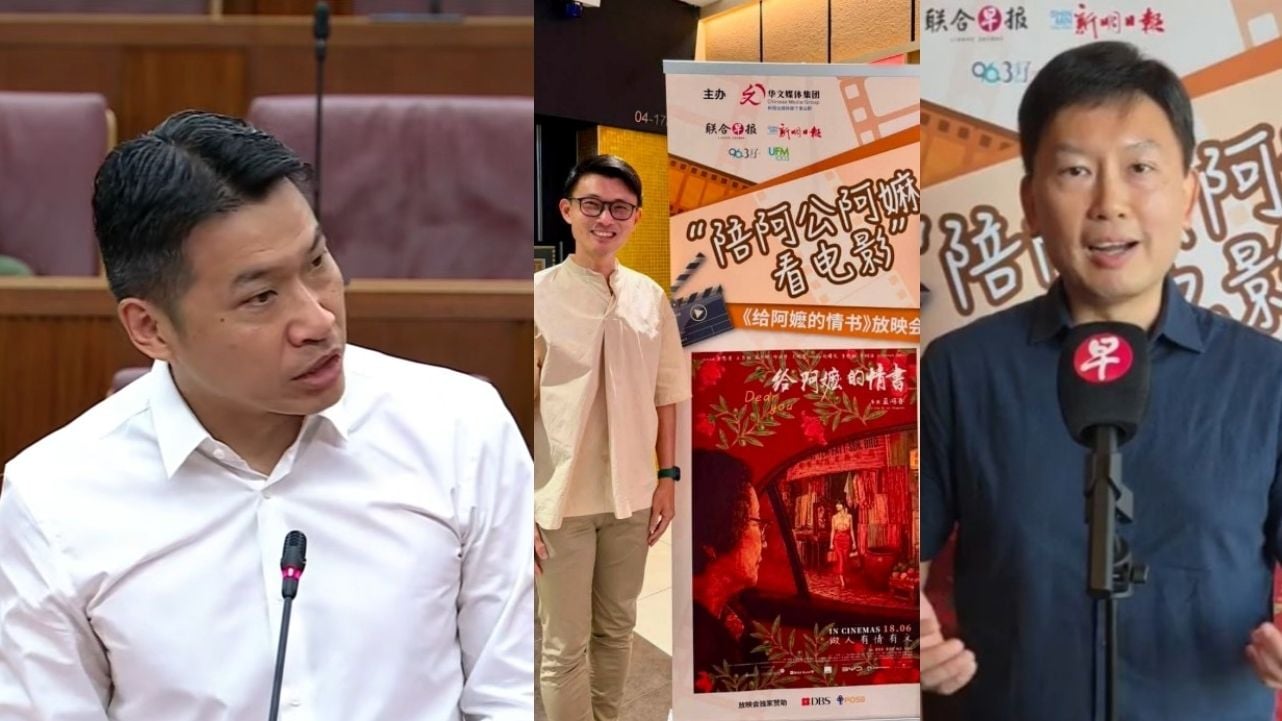
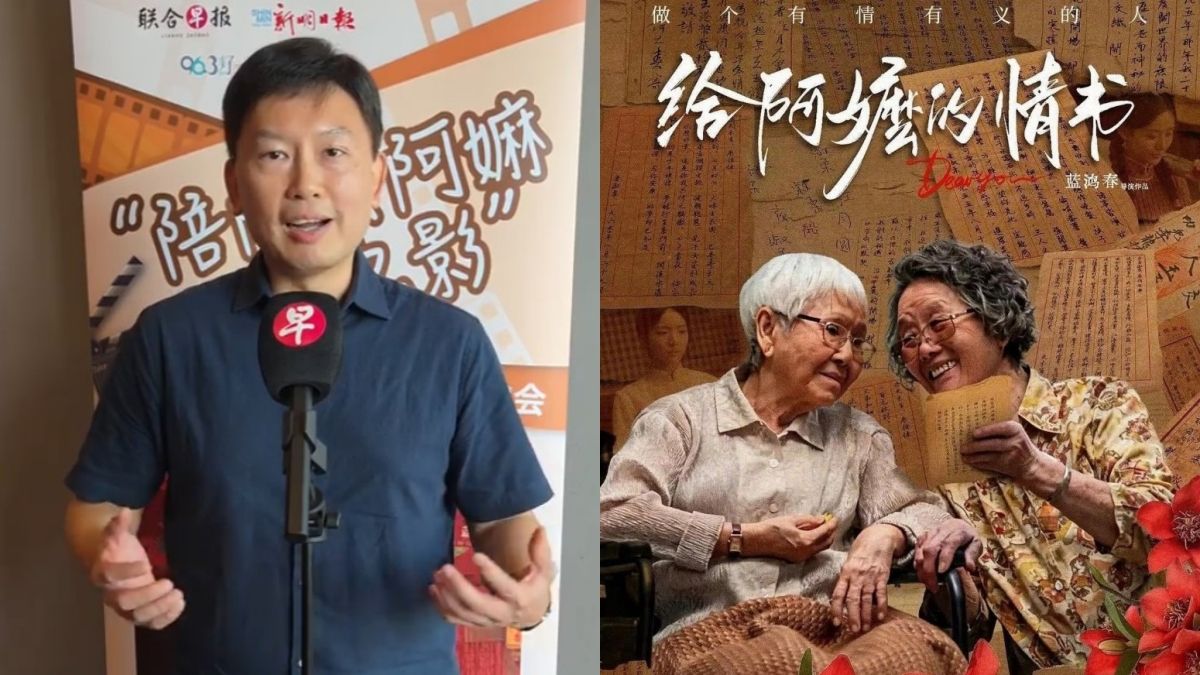
Referring to recent calls by Minister Chan Chun Sing to strengthen ASEAN identity, Low suggested these historical and linguistic connections could create new opportunities for regional cooperation and economic growth.
Revisiting the spirit of qiaopi
Another issue raised by Low centred on the historical practice of qiaopi (侨批), handwritten letters and remittances sent by overseas Chinese to their hometowns before the development of modern banking systems.
She noted that these remittances helped finance schools, hospitals and education while supporting vulnerable families.
By contrast, Low said modern financial headlines increasingly featured major money laundering cases, including the Fujian syndicate case.
"The question is not whether money should move," she wrote. "It is whether money still serves communities, or only capital."
A vision for Singapore cinema
Low also questioned whether Dear You could achieve for Singapore cinema what The Little Nyonya accomplished for local television.
She argued that Singapore possessed many untold stories capable of resonating with audiences throughout Southeast Asia and beyond.
These included accounts of migrants crossing dangerous seas, women holding families together, clan associations, wartime experiences and stories of resilience and hope.
According to Low, such narratives belonged not only to Singapore but also to the wider Southeast Asian region and global diaspora.
"Perhaps the greatest legacy of Dear You is not its box office numbers or its controversies," she wrote.
"Perhaps it will be whether it inspires a new generation of filmmakers to tell stories that are proudly Singaporean, deeply ASEAN, and universally human."
Govt reviewing dialect film rules but makes no commitment to change them
Low's remarks follow parliamentary exchanges on 7 July 2026 concerning Singapore's long-standing policy governing dialect-language films.
Senior Minister of State for Digital Development and Information Tan Kiat How confirmed that IMDA is reviewing the current film classification framework concerning dialect use in films.
However, he made no commitment to remove the existing restrictions that continue to govern dialect-language cinema releases.
During the debate, Tan disclosed that IMDA had approved another 100 Teochew-language screenings of Dear You, bringing the total number of approved screenings to 272.
He said IMDA remained prepared to approve further screenings if distributors submitted applications demonstrating audience demand.
"For cinemas, we are prepared to allow more screenings of dialect-language films, so as to provide audiences with greater access to such content," Tan said.
He acknowledged that Singapore's language landscape had evolved since the policies were first introduced.
"We recognise that the circumstances have changed since the guidelines were first introduced," he said, adding there was "scope to consider how we can expand the space for dialects while continuing to uphold the importance of Mandarin".
Tan described any future policy changes as "an evolution... making adjustments, not abrupt changes".
Calls for broader reforms
Several Members of Parliament urged the Government to go further by removing cinema restrictions altogether.
Workers' Party Non-Constituency Member of Parliament Eileen Chong questioned why dialect films continued to require official approval.
"If dialect is always the one that requires permission, then have we not already chosen a side?" she asked.
Bishan-Toa Payoh GRC Member of Parliament Cai Yinzhou said cinemas remained "the only mainstream medium in Singapore where Chinese dialect content is restricted", citing Dear You's popularity across multiple generations.
Tan defended the distinction, arguing cinemas remained "a publicly regulated exhibition space" and therefore required a different regulatory approach from online streaming services.
Meanwhile, Minister Neo reaffirmed that the Speak Mandarin Campaign, launched in 1979, continued to serve an important role in supporting communication among Chinese Singaporeans from different dialect backgrounds while reinforcing the country's bilingual policy.
He said the Government increasingly viewed dialect arts and cultural materials "not as competing against the use of Mandarin, but as part of our heritage and cultural practices".
Dear You first opened in Singapore on 18 June 2026 with Mandarin-dubbed general screenings, while the original Teochew-language version was initially limited to festivals and selected screenings.
The release prompted widespread public debate over the place of Chinese dialects in Singapore's cultural landscape, leading IMDA to adopt a more flexible approach towards approving additional dialect-language cinema screenings while continuing its broader policy review.