No evidence 14 anti-Indian posts were coordinated by state actors, says Goh Pei Ming
There is currently no evidence that 14 online posts targeting Singapore's Indian community formed part of a coordinated campaign by any government or organisation, Minister of State for Home Affairs Goh Pei Ming said, while stressing authorities remain vigilant against foreign interference.
- No evidence has been found linking the 14 anti-Indian posts to a coordinated foreign campaign.
- MHA is monitoring a rise in AI-generated content and investigating every suspected case for foreign interference.
- The Government says legislation and public education remain key to protecting racial harmony and social cohesion.

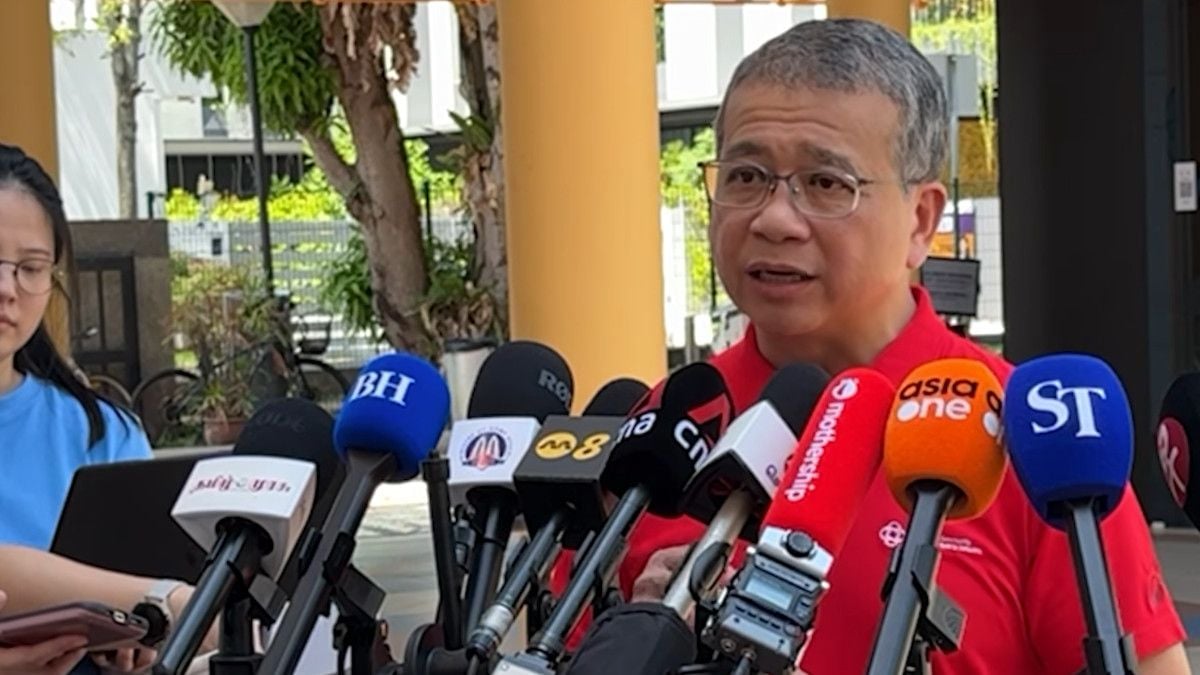
SINGAPORE: There is currently no evidence that 14 online posts targeting Singapore's Indian community were part of a coordinated campaign by any particular government or organisation, Minister of State for Home Affairs Goh Pei Ming told Parliament on 7 July 2026.
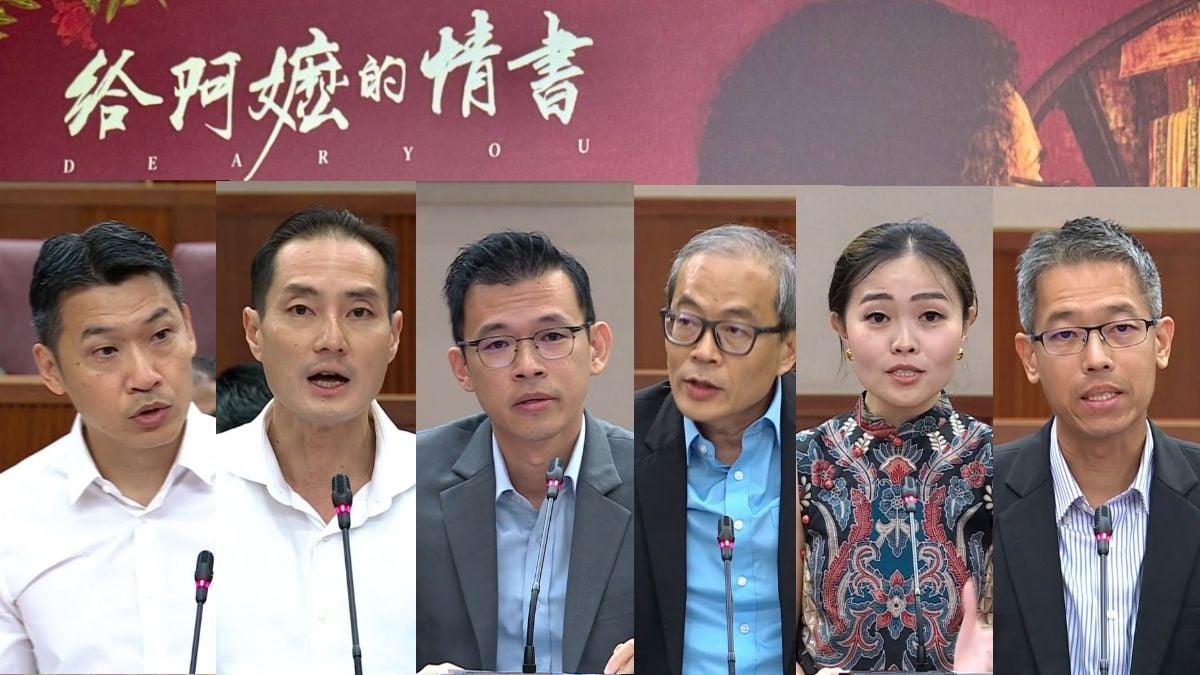
Responding to parliamentary questions from Ang Mo Kio GRC MP Darryl David and Nominated Member of Parliament Dr Neo Kok Beng, Goh said investigations found the content most likely originated from a China-based platform before spreading across other online platforms and websites, including Singapore's information space.
The posts were assessed as attempting to sow discord by inciting ill will against the Indian community while seeking to undermine Singapore's model of multiculturalism.
Earlier, on 6 June 2026, the Ministry of Home Affairs (MHA) announced that the Singapore Police Force had issued Disabling Directions under the Online Criminal Harms Act 2023 (OCHA) to Google, Meta and X, requiring the platforms to block Singapore users' access to the 14 posts.
MHA assessed the posts as likely constituting an offence under Section 298A of the Penal Code 1871, which prohibits knowingly promoting feelings of enmity, hatred or ill will between different racial groups.
Authorities monitoring rise in AI-generated content
Although investigations have not found evidence of a coordinated foreign campaign behind the posts, Goh said the Government has observed an increase in AI-enabled and other inauthentic online content entering Singapore's digital information space.
He said authorities closely monitor every suspected case, including investigating whether state actors may be involved.
"We've noticed an increase in the number of such posts, especially given the use of AI enabling the creation of such posts. We do track very carefully every single case, including investigating whether there are possibly state actors behind the posts," he said.
Goh acknowledged that not all information gathered during such investigations could be made public, but stressed that authorities continually analyse trends to detect any coordinated campaigns.
"We will not hesitate to take action if there's a need to protect Singapore's interests," he said.
He added that safeguarding Singapore's information space and protecting social cohesion were objectives that other countries would understand and support.
Government prepared to act decisively
Answering David's supplementary questions, Goh said authorities would respond firmly should investigations uncover evidence of coordinated activity or foreign state involvement.
He said the Government continually reviews developments in the online environment and would use legislative powers where necessary to safeguard Singapore's interests.
According to Goh, the Government regularly updates its legislative framework to ensure it remains effective against evolving threats posed by misinformation, foreign interference and AI-generated content.
Legislative powers provide proactive protection
Responding to Dr Neo's questions on whether Singapore's legal framework was largely reactive, Goh rejected that characterisation, arguing the legislation also serves a preventive purpose.
He said Singapore has a range of legislative tools, including the Foreign Interference Countermeasures Act (FICA), the Maintenance of Racial Harmony Act, the Protection from Online Falsehoods and Manipulation Act (POFMA) and the Online Criminal Harms Act.
"Having these laws allows us to be very proactive going upstream to demonstrate that we not only have the laws and that we are also willing to exercise these laws to protect our citizens and our social fabric before our racial harmony is affected," he said.
Goh noted that online directions under FICA were first used in July 2024, while additional online directions have also been issued under OCHA.
He said social media companies had generally complied with the Government's directions, making the measures effective in addressing harmful online content.
The Government will continue reviewing existing laws to ensure they remain fit for purpose as online threats evolve, he added.
Racial harmony cannot be taken for granted
Goh said the Government acted firmly because the online posts sought to undermine Singapore's multiracial society by encouraging racial divisions.
"Our societal harmony cannot be taken for granted because it has been painstakingly developed over decades," he said.
He added that every community has an equal place in Singapore and that diversity remains one of the country's greatest strengths.
"These videos strike at the very foundation of what makes Singapore home for all of us, and that is why the Government acted firmly against these videos, especially because they originated from a foreign source."
Goh said Singapore must reject all attempts to divide society along racial lines.
Public education remains central
Beyond legislation, Goh said building a discerning and resilient population remains one of the Government's strongest defences against foreign influence.
He highlighted several ongoing initiatives aimed at strengthening public awareness and media literacy.
The Ministry of Defence promotes National Education and Total Defence programmes to deepen understanding of Singapore's core values, strengthen national identity and improve public awareness of threats to social cohesion, including foreign interference.
The SG101 website serves as a one-stop government portal containing educational resources on foreign interference and Singapore's positions on sensitive issues to help the public better understand national policies and recognise attempts to sow division.
The National Library Board also promotes critical reading skills through its SURE programme — Source, Understand, Research and Evaluate — which equips the public to verify and fact-check online information.
In addition, government agencies regularly conduct briefings, dialogues and workshops for civil servants, national servicemen and students to raise awareness of foreign interference risks.
Goh also highlighted MHA's public awareness campaign launched in 2025 on deepfake videos, AI-generated content and other forms of inauthentic online material used to influence overseas jurisdictions.
He said the campaign would continue to raise awareness of the role Singaporeans play in protecting the country's information space.
Public vigilance remains the strongest defence
Goh said legislation alone cannot eliminate the threat posed by misinformation and foreign interference.
Instead, he emphasised that an informed and discerning public remains Singapore's most effective safeguard.
"Ultimately, a discerning population is the most important defence against attempts to influence or divide our society," he said.
He urged Singaporeans to exercise caution when consuming and sharing online content and to reject attempts to create divisions within society.
"We take a serious view of threats to our social cohesion and racial harmony, including those posed by external actors, and will act resolutely against them," he said.