Government reviewing dialect film rules but makes no commitment to change them
Senior Minister of State for Digital Development and Information Tan Kiat How told Parliament that IMDA is reviewing the film classification framework on dialect use, but stopped short of committing to lift the restriction, even as another 100 Teochew screenings of Dear You were approved, bringing the total to 272.

- IMDA is reviewing the dialect film classification framework but ministers made no commitment to remove the restriction, saying change would be evolutionary rather than abrupt.
- MPs from both sides pressed to scrap the permission requirement; ministers replied that they remained "open to ideas" and would "consider carefully the appropriate next steps".
- IMDA approved another 100 Teochew screenings of Dear You, bringing the total to 272, while Mandarin stays the mainstay on free-to-air television and radio.

The Infocomm Media Development Authority (IMDA) is reviewing the current film classification framework with respect to the use of dialect in films, but made no commitment to remove the restriction that governs dialect-language cinema releases.
The position was set out in Parliament on 7 July 2026, where ministers also disclosed that IMDA had approved another 100 Teochew-language screenings of the film Dear You, bringing the total to 272, in responding to a cluster of questions prompted by the authority's earlier decision to release the film in a Mandarin-dubbed version for its general run.
The responses came during a Parliamentary exchange in which two related sets of questions were taken together.
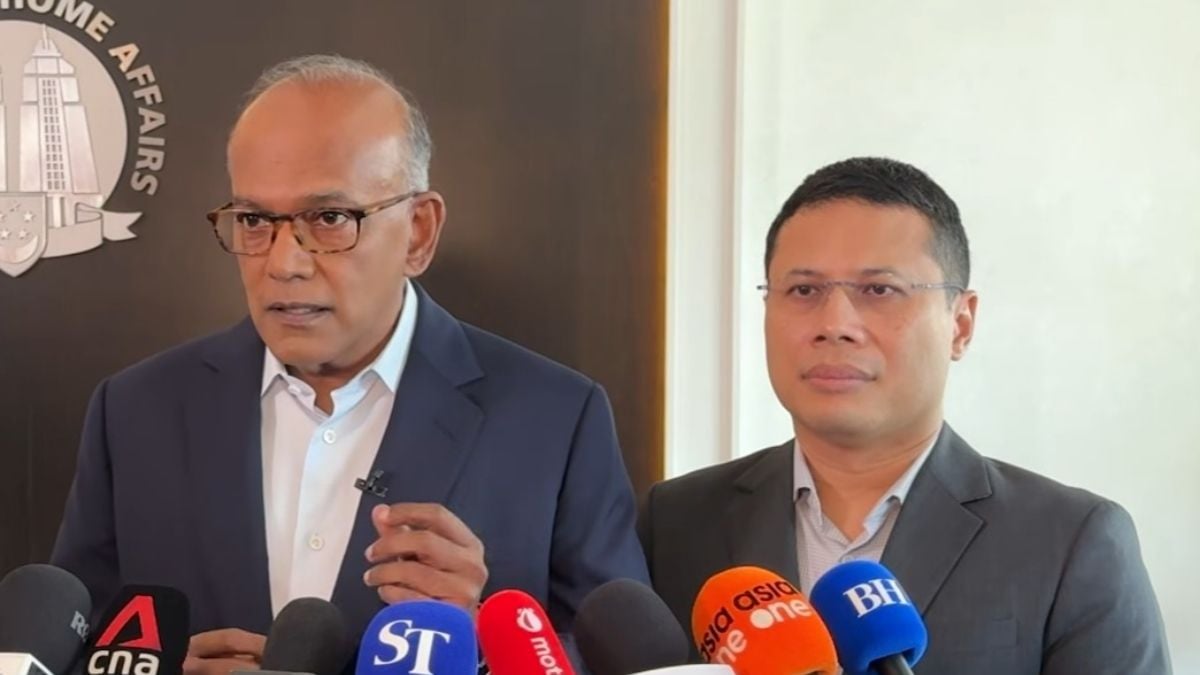
Senior Minister of State for Digital Development and Information Tan Kiat How addressed the queries on IMDA's guidelines, while Acting Minister for Culture, Community and Youth David Neo answered a separate group of questions on the Speak Mandarin campaign.
Government signals greater flexibility, but no policy reversal
Tan confirmed that the Government was prepared to approve additional screenings should the film distributor request them in response to audience demand.
He noted that around 30 to 40 dialect films are screened at film festivals each year, and that IMDA had allowed unrestricted screenings of films with substantial use of dialect, such as 881, Long Long Time Ago and Wonderland.
Guidelines on language use in media, he said, had supported the longstanding policy to promote Mandarin as one of four official languages and had "generally served us well".
The Senior Minister of State acknowledged, however, that the context had shifted. "We recognise that the circumstances have changed since the guidelines were first introduced," he said.
"There is therefore scope to consider how we can expand the space for dialects while continuing to uphold the importance of Mandarin." In doing so, the Government would take account of the different media platforms, he added, noting that there are no dialect restrictions for arts performances or content on the internet and online streaming services, while Mandarin "should continue to be the mainstay" on free-to-air television and radio.
On cinemas specifically, Tan said: "For cinemas, we are prepared to allow more screenings of dialect-language films, so as to provide audiences with greater access to such content." He added: "We appreciate the feedback from members and we'll carefully consider what further steps are appropriate."
MPs press for removal of cinema restrictions
Several Members pressed for the guidelines to be reviewed or removed outright rather than merely applied more flexibly. Cai Yinzhou (Bishan-Toa Payoh GRC), who declared his interest as an adviser to the Chinatown Heritage Centre, argued that cinema was "the only mainstream medium in Singapore where Chinese dialect content is restricted", while streaming platforms and video-sharing sites carried dialect content without equivalent limits.
Cai cited the commercial case, observing that Dear You had drawn families across generations back into theatres, and asked whether the ministry would go further and remove the default restriction.
By his own count, Parasite had drawn close to 12,000 sessions locally and How to Make Millions Before Grandma Dies around 5,000, while Dear You had recorded some 2,570 sessions in Mandarin against a mere 126 public screenings of the original Teochew version as of early July.
Switching to Mandarin, he also asked how the Government would ensure dialect and traditional culture were passed to the next generation, given that dialect is often the language shared between grandchildren and their grandparents.
Government cites evolving language landscape
In reply, Tan did not commit to removing the restriction, updating the tally to 272 and stating that the distributor was aware flexibility would continue.
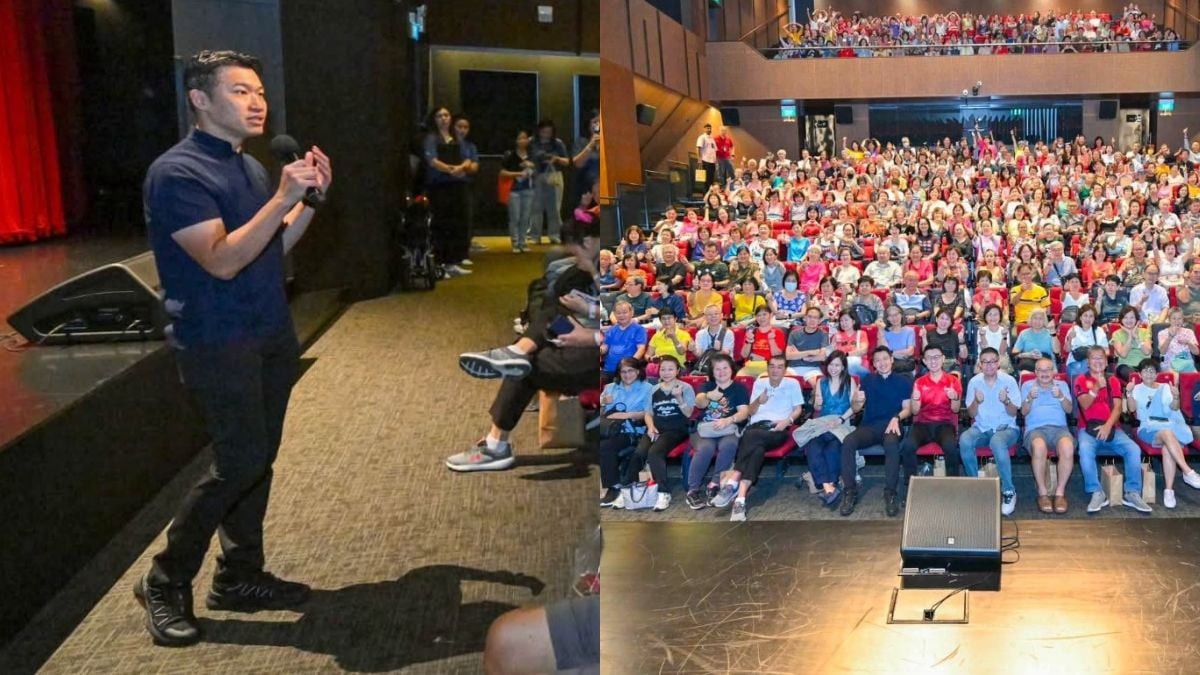
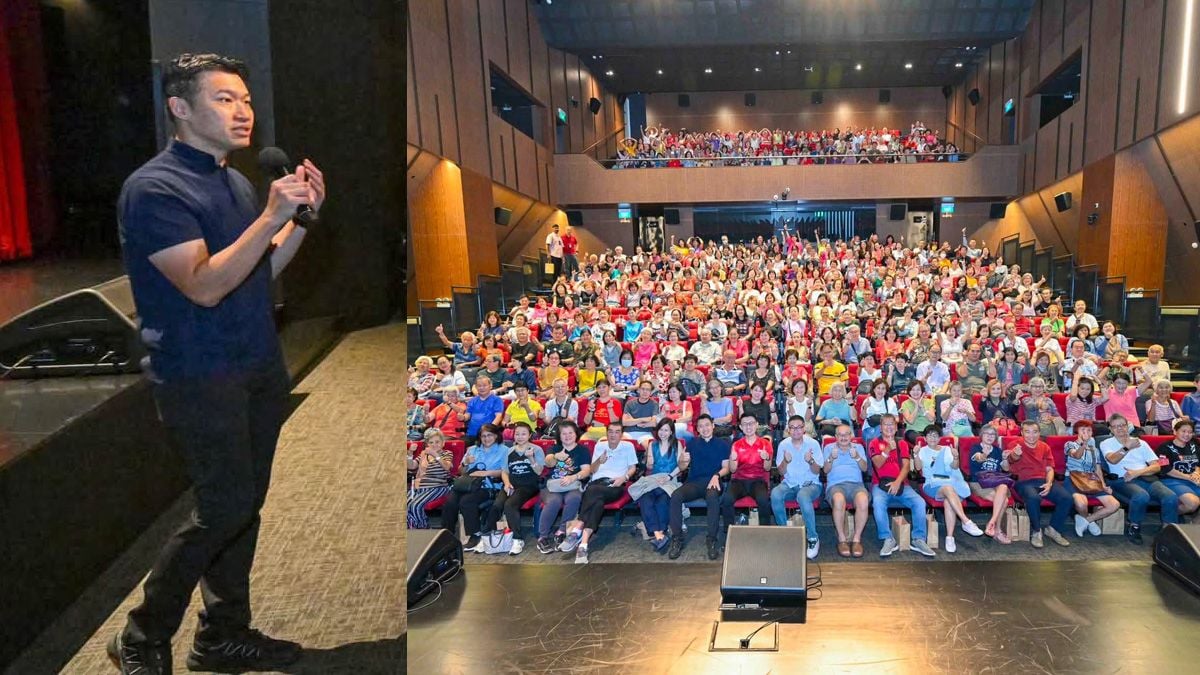
He recounted that a screening in his own constituency the previous day, held in both Teochew and Mandarin, had drawn "many young people" to the Mandarin hall alongside their parents and grandparents, which he offered as evidence that a Mandarin version "creates a bigger access".
On the comparison with streaming, he said different platforms had "historically been regulated differently" according to reach, and that cinema, as "a publicly regulated exhibition space", ought to be seen "closer to mainstream media". The guidelines, he added, had "not been static" but refined over the years.
Answering the Mandarin portion of the question, Neo said the National Arts Council treated dialect as part of Singapore's culture and supported arts groups in encouraging young people to perform in dialect, citing NAC scholarships and grants awarded to 10 dialect arts productions the previous year spanning Teochew, Hokkien and other forms.
Workers' Party MPs question underlying policy
Non-Constituency MP Eileen Chong (Workers' Party) echoed the Promote Mandarin Council's position that Singapore need not "pick sides" between Mandarin and dialects, asking why the Government did not simply allow dialect films to be screened freely rather than requiring permission.
"If dialect is always the one that requires permission," she said, "then have we not already chosen a side?"
Neo thanked her for her support but did not address the proposal to lift the permission requirement, repeating that both ministries were "open to ideas" on preserving dialect cultures "while upholding the importance of Mandarin" and would "consider carefully the appropriate next steps".
Hougang SMC MP Dennis Tan, who has raised the preservation of dialects in the House before, called for a review of the 1981 dialect broadcast restrictions, arguing that "the main competitor to Mandarin today is not dialects but English".
He also asked whether the ministry would establish a standing institutional arrangement between IMDA and the National Heritage Board (NHB) on the heritage aspects of dialect films.
Tan declined to create a formal body, saying IMDA "works very closely" with the NHB on film classification and that "there's no need for explicit institutions".
He gave an assurance on the substance of the concern, confirming that the authority did weigh heritage, artistic merit and the context in which dialect was used — pointing to the local getai film 881, whose texture, in his account, "requires the dialect to be used".
Tan did not address the call to review the 1981 broadcast restrictions.
Calls for clearer guidelines and stronger heritage support
MP Valerie Lee (Pasir Ris–Changi GRC) raised a two-part question, asking the culture ministry what was being done to systematically document and transmit dialect cultures to younger Singaporeans, and asking MDDI to publish clearer guidelines incorporating the promised flexibility in advance, so that distributors would know the criteria that applied.
Neo did not commit to publishing a specific framework, saying the review would proceed deliberately.
The Minister pointed to existing efforts, including the NHB's funding of clan associations to document heritage, the Singapore Chinese Cultural Centre's online Culturepedia, and the Stewards of the Intangible Cultural Heritage Award, a recent youth recipient of which practises Hokkien glove puppetry.
WP MP Gerald Giam (Aljunied GRC) focused on the film classification guidelines, which state that Chinese films meant for theatrical release "should generally be in Mandarin, in line with the Speak Mandarin campaign", with dialect content allowed on a case-by-case basis.
He questioned whether the campaign had, for the past four decades, been geared more towards encouraging English-speaking Chinese Singaporeans to take up Mandarin than towards changing the habits of dialect speakers, and asked whether "case-by-case" could be read as permitting a general commercial release without any cap on the number of screenings.
SMS Tan took "a step back" in response, reaffirming Mandarin as "a mainstay" and one of four official languages. The campaign's objectives remained valid, he said, but its implementation had "evolved" with the language environment, and the current debate was "a step in that direction".
He confirmed the ministry was "reviewing our current film classification framework with respect to [the] use of dialect in films", but said the process would "take some time" as "an evolution... making adjustments, not abrupt changes, like all good policies are". He did not state whether "case-by-case" could extend to an uncapped commercial release, noting only that the fresh approval of 100 screenings for Dear You reflected sustained demand.
Turning to the concerns of older residents, MP Saktiandi Supaat (Bishan–Toa Payoh GRC) asked whether the Government regarded original-language dialect films as supporting active ageing and intergenerational bonding, and whether IMDA had assessed audience demand among seniors and younger Singaporeans.
The Senior Minister of State did not provide the requested audience-demand figures, nor did he say whether such an assessment would be commissioned, noting instead that engagement with dialect culture extended well beyond cinemas to clan associations, community programmes and streaming applications. Intergenerational bonding, he added, "really goes beyond just language" and was about "creating the shared experiences and a space" for conversation.
Kenneth Tiong calls for unnecessary restrictions to be removed
WP MP Kenneth Tiong (Aljunied GRC), speaking in Mandarin, pressed the ministers on their underlying intent, asking whether the aim was to promote the use of Mandarin or to restrict the use of dialects — which he described as two different objectives — and urging the removal of restrictions he considered unnecessary.
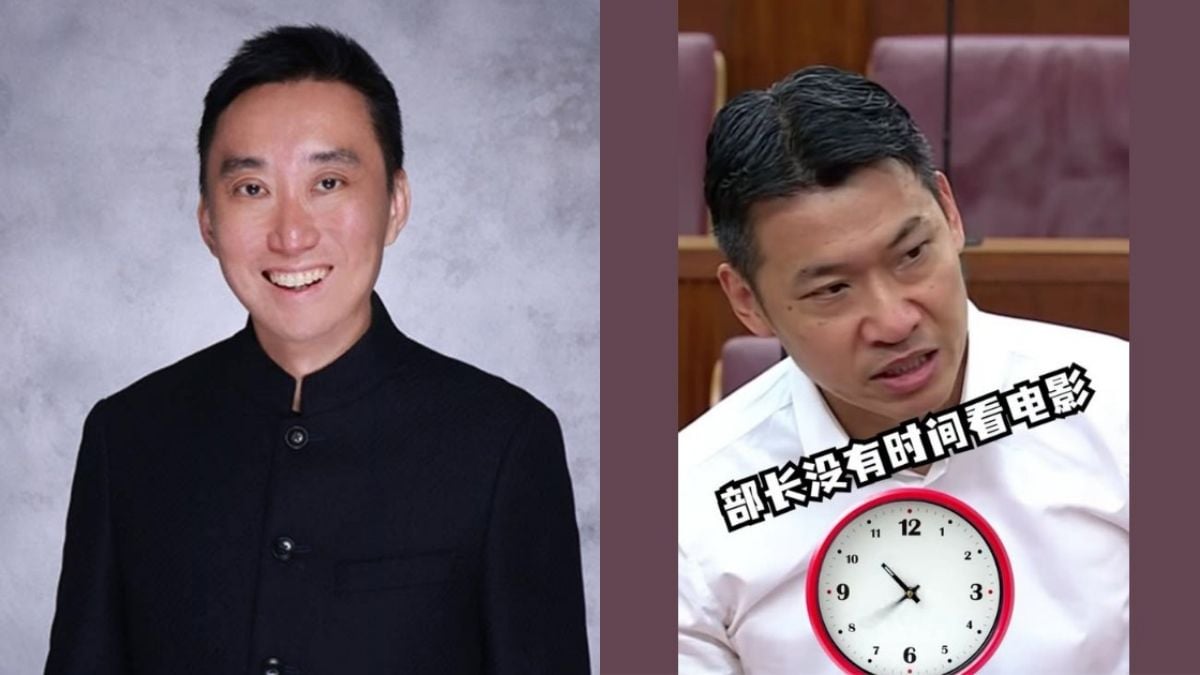
He also asked, pointedly, whether the ministers had watched the Mandarin or the Teochew version of the film. Neo replied that ministers had no time to watch movies.
He said the Government recognised that dialects contributed distinctively to Singapore Chinese culture, and that if there were demand, it would "be more than happy to… extend the classes to more people".
Replying also in Mandarin, SMS Tan described the film as deeply heartwarming and acknowledged the warm support it had drawn from older Singaporeans, saying the Government would listen carefully to feedback and weigh whether to loosen the restrictions further so that more people could appreciate dialect films, without distinguishing between the two objectives Tiong had put to him.
On whether IMDA would be more transparent in future decisions on dialect films, Tan reaffirmed a pragmatic approach but maintained that the original objective of promoting Mandarin should not be forgotten.
Radio and broadcast restrictions also raised
Nominated MP Dr Neo Kok Beng turned the discussion from cinema to radio, noting that ageing seniors were fond of dialect songs but had few outlets for them.
Speaking in Mandarin, Dr Neo asked whether one of the six radio broadcast stations could be set aside to play golden oldies, with perhaps half in Mandarin and half in Chinese dialects, so that older listeners could enjoy the music of their era.
Replying, also in Mandarin, Tan maintained that Mandarin should remain the mainstream language on broadcast, but pointed to existing flexibility, including dialect news slots on Channel 8 on Friday mornings and dialect news bulletins on radio through the late morning, to cater to seniors.
Ministers defend Speak Mandarin campaign while recognising dialect heritage
Answering the questions on the Speak Mandarin campaign, Neo said the initiative, launched in 1979, retained valid objectives in helping Chinese Singaporeans of different dialect backgrounds communicate and in giving the bilingual policy "the best chance to succeed".
Its current tagline, "Speak Mandarin, Yes I Can", now encouraged learning even as English became more dominant at home.
The Minister said the Government increasingly saw dialect artistic materials "not as competing against the use of Mandarin, but as part of our heritage and cultural practices", pointing to the National Arts Council's support for groups preserving forms such as Nanyin and Teochew opera, and to NHB's work with clan associations to document dialect cultures.
"The government welcomes ideas to preserve dialect cultures while upholding the importance of Mandarin," he said.
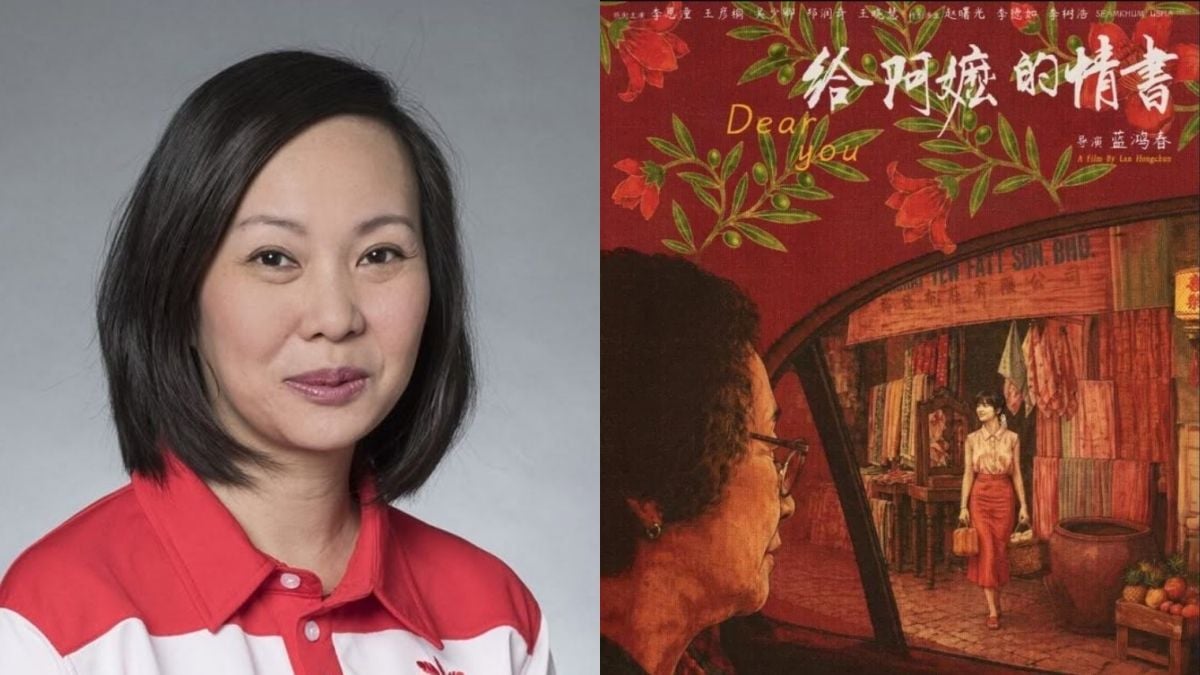
The hit film Dear You first opened in Singapore on 18 June with Mandarin-dubbed general screenings, with the original Teochew version initially confined to festivals and niche showings.
The decision drew public debate over the place of Chinese dialects in Singapore, and IMDA subsequently indicated it would take a more flexible approach in considering applications for dialect films in cinemas.