Louis Chua, Sylvia Lim raise FATF concerns; Singapore vows stronger action on financial crime risks
Singapore will study recommendations from the Financial Action Task Force after being assessed as partially compliant in several areas, while maintaining it performed credibly overall. MPs Louis Chua and Sylvia Lim pressed ministers on beneficial ownership, cross-border enforcement and proliferation financing.

- Singapore accepted FATF recommendations and will develop risk-proportionate measures to strengthen its anti-financial crime framework.
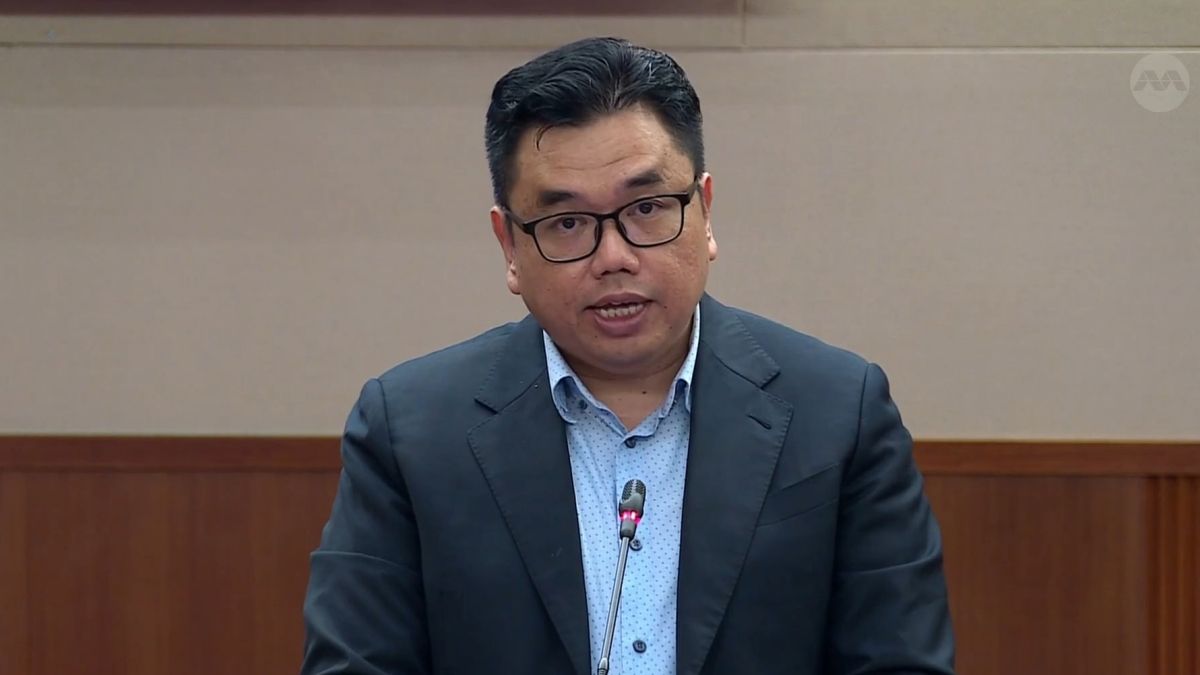
- Louis Chua questioned beneficial ownership transparency, mutual legal assistance and overseas asset recovery following the FATF assessment.
- Sylvia Lim sought stronger safeguards against proliferation financing risks in the maritime sector, prompting assurances of continued enforcement and industry engagement.

Singapore will strengthen aspects of its anti-money laundering and counter-terrorism financing framework after the Financial Action Task Force (FATF) recommended further enhancements, while maintaining that its latest mutual evaluation recognised the Republic's strong overall performance.
The commitments were outlined during the parliamentary sitting on 7 July 2026, where Workers' Party MPs Louis Chua and Sylvia Lim raised concerns over beneficial ownership transparency, international cooperation and proliferation financing.
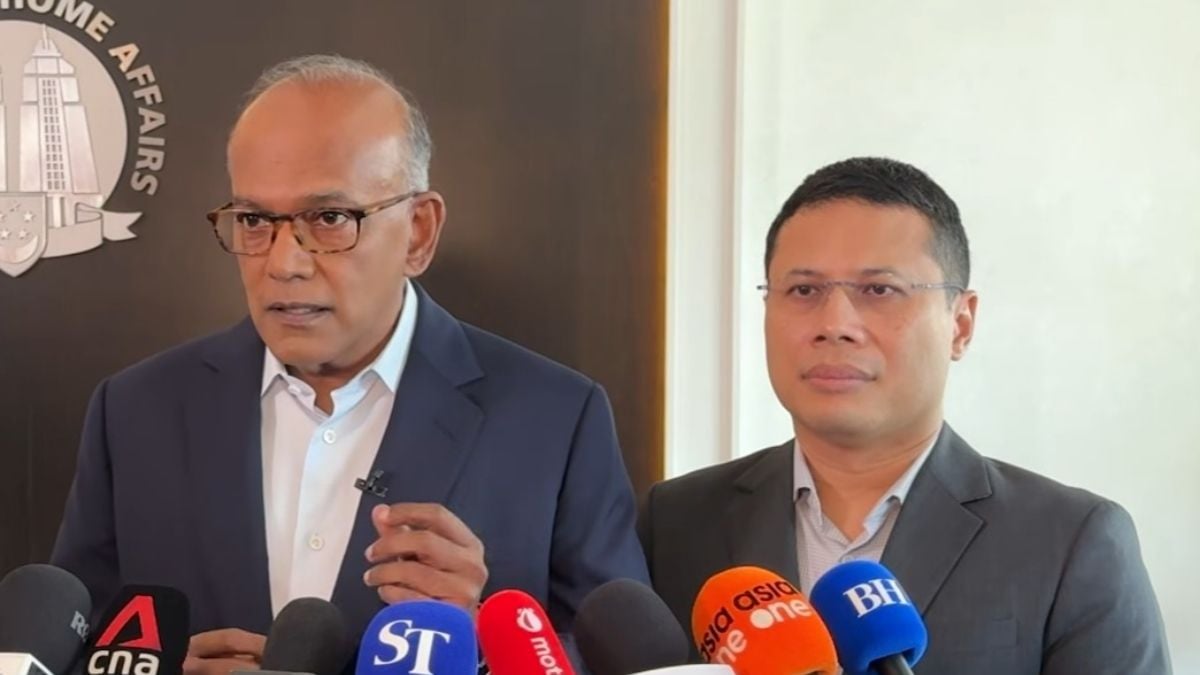
Responding to parliamentary questions, Senior Minister of State for Law Murali Pillai said Singapore was among the first jurisdictions and the first international financial centre assessed in the FATF's fifth round of mutual evaluations.
He said the Republic had achieved better overall results than in the previous assessment and had been placed on the FATF's regular follow-up process, reserved for jurisdictions assessed to have performed well.
Murali said Singapore, as an international financial and business hub, remained inherently exposed to money laundering, terrorism financing and proliferation financing risks, requiring robust safeguards. While higher FATF standards had been introduced since the previous evaluation, he said every assessment identified strengths alongside recommendations for improvement.
"The Government will carefully study them. We will develop action plans that are risk-proportionate and suited to Singapore's context, ensuring that our financial and business ecosystem continues to grow in a trusted environment."
International cooperation and legal assistance
Addressing cross-border cooperation, Murali said the FATF found Singapore provided timely, high-quality and constructive assistance to overseas counterparts.
Straightforward mutual legal assistance (MLA) requests could be completed in as little as three days, while more complex requests averaged around 10 weeks.
He acknowledged that some requests had taken longer because additional factual clarification was required or legal requirements had not been met.
Singapore would continue strengthening cooperation with foreign counterparts, including improving communication on legal assistance requirements and expanding cooperation on overseas asset recovery.
Sengkang GRC MP Louis Chua noted the FATF report found Singapore made four times fewer MLA requests than it received despite identifying overseas risks as its primary exposure.
He also highlighted that scam victims lost S$913 million in 2025, with only about 15 per cent recovered, asking whether Singapore intended to increase the use of MLAs or other cooperation channels to improve overseas asset recovery.
Senior Minister of State for Home Affairs Sim Ann said Singapore would continue issuing MLA requests where appropriate while also pursuing informal international cooperation channels, not only for anti-money laundering, terrorism financing and proliferation financing investigations but also for scams.
Beneficial ownership transparency
Chua also questioned whether Singapore would extend its central beneficial ownership registers to cover variable capital companies and unregistered foreign companies after the FATF found information on such entities was not always available promptly.
Murali stressed that the FATF did not prescribe a single model for beneficial ownership transparency, instead assessing whether jurisdictions could provide accurate ownership information to competent authorities when required.
He said Singapore already maintained a central beneficial ownership registry covering companies and limited liability partnerships, with entities required to verify ownership information regularly.
Corporate service providers were also required to conduct customer due diligence, while the Accounting and Corporate Regulatory Authority carried out risk-based audits.
Additional safeguards included ownership checks conducted by public agencies, such as the Singapore Land Authority for landed residential property transactions involving trusts, as well as customer due diligence by banks and other regulated entities. Information obtained through these processes was available to law enforcement agencies for investigations.
Responding directly to Chua's supplementary question, Murali said operational experience showed investigators were able to obtain timely and accurate beneficial ownership information.
He added that investigations relied on intelligence, suspicious transaction reports and cooperation with private sector and foreign partners, and said there was "no evidence" that beneficial ownership information obtained during investigations had been inaccurate.
Enforcement and proliferation financing
Murali said the FATF had recognised Singapore's tougher enforcement against financial institutions and virtual asset service providers.
Maximum financial penalties had increased from S$800,000 during the previous evaluation to S$5.8 million in the latest assessment, while authorities had also revoked licences in serious cases, held individuals accountable and published enforcement actions to strengthen deterrence.
He added that the FATF recommended reviewing whether financial penalties remained sufficiently proportionate and dissuasive, and the Government would consider those recommendations alongside existing enforcement tools.
On proliferation financing, Murali said the FATF assessed Singapore's legal framework and inter-agency coordination as robust but recommended deeper understanding of proliferation financing risks, particularly in higher-risk sectors.
The Government would strengthen risk assessments and increase engagement with non-regulated entities to raise awareness.
Aljunied GRC MP Sylvia Lim questioned whether outreach alone was sufficient, noting the FATF found representatives of foreign flag states had limited understanding of proliferation financing obligations despite ship-to-ship transfers being identified as a significant risk.
Responding in his capacity as Deputy Chairman of the Monetary Authority of Singapore, National Development Minister Chee Hong Tat said the FATF's observations referred to overseas representative offices of foreign ship registries operating in Singapore.
These offices remained subject to Singapore law, including United Nations Security Council sanctions implemented through domestic legislation.
Chee said Singapore had already taken enforcement action against non-compliant entities and would continue engaging representatives of foreign flag states to improve awareness of proliferation financing risks and remind them of their legal obligations.
He added that the issue had also been highlighted internationally by the International Maritime Organization, the FATF and the Asia-Pacific Group on Money Laundering, making continued engagement and compliance efforts necessary.