Shanmugam reaffirms SCDF patient care priority as paramedics reminded to put hospital conveyance before paperwork
K Shanmugam has reaffirmed that SCDF paramedics must prioritise patient care and timely hospital conveyance over administrative procedures. His written parliamentary reply follows questions on patient identification protocols and comes after a high-profile coroner's inquiry involving a toddler's drowning.

- K Shanmugam said SCDF paramedics must prioritise patient care and hospital conveyance above administrative procedures.
- SCDF uses training, audits, body-worn camera reviews and investigations to ensure compliance with operational standards.
- The reminder follows a toddler drowning case in which a paramedic's repeated requests for a birth certificate drew criticism.

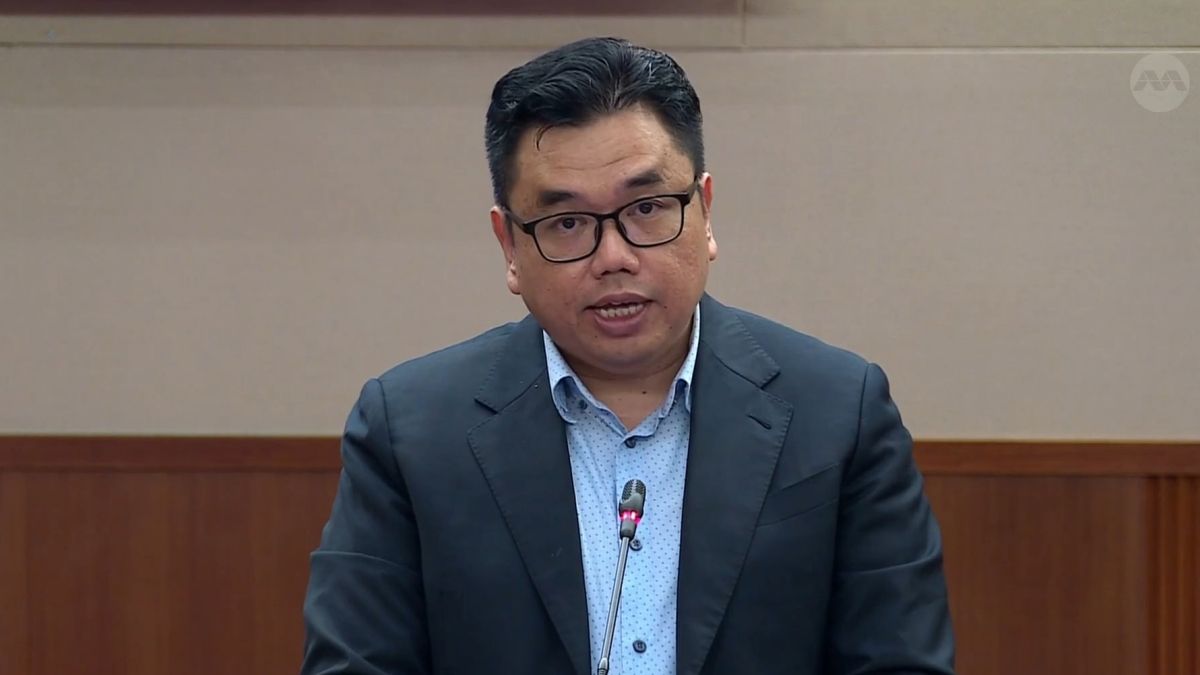
SINGAPORE: Coordinating Minister for National Security and Minister for Home Affairs K Shanmugam has reaffirmed that Singapore Civil Defence Force (SCDF) paramedics are trained to prioritise patient care and timely hospital conveyance, while exercising flexibility when applying procedural requirements during emergency responses.
Shanmugam was responding in a written parliamentary reply to questions filed by Workers' Party MP Gerald Giam on 7 July 2026 regarding the standard operating procedures for SCDF emergency medical services personnel when verifying a patient's identity before hospital conveyance.
Giam, the Aljunied GRC MP, asked what the standard operating procedures are for identity verification before patients are transported to hospital.
He also sought clarification on how the Ministry of Home Affairs (MHA) monitors and enforces compliance with the policy that patient care takes priority over administrative procedures, and whether documentation checks can be completely deferred during life-threatening medical emergencies.
In his reply, Shanmugam explained that patient identification enables emergency personnel to access important information, including a patient's medical history and drug allergies, which can facilitate prompt and effective medical interventions, even during life-threatening emergencies.
However, he stressed that patient welfare remains the overriding priority.
"SCDF paramedics are trained to prioritise patient care and hospital conveyance, and to exercise flexibility with regard to procedural requirements," Shanmugam said.
He added that SCDF continually reinforces this principle through the formal certification and refresher training of its emergency medical personnel.
To ensure accountability and adherence to operational standards, SCDF also conducts regular audits, reviews body-worn camera footage and investigates all feedback received.
Although this training is standard across the organisation, Shanmugam acknowledged that there had been a recent incident in which a paramedic informed a patient's family member that formal identification was required before the patient could be conveyed to hospital.
Following that incident, he said SCDF had reiterated to all paramedics that patient care and timely hospital conveyance must always take precedence over administrative procedures.
SCDF to review paramedic's court statements after bodycam shows birth cert requests in toddler drowning case
The parliamentary exchange comes after SCDF announced in May that it would review a paramedic's statements made during a coroner's inquiry after body-worn camera footage showed repeated requests for a toddler's birth certificate during an emergency response.
The case involved a one-year-eight-month-old boy who drowned at his home in June 2024.
The State Coroner ruled that the child's death was a tragic accident, finding that he had likely been submerged for between 10 and 20 minutes before cardiopulmonary resuscitation (CPR) began, significantly reducing his chances of survival.
SCDF said media reports had highlighted differences between the paramedic's testimony during the inquiry and the body-worn camera footage.
The paramedic had denied that administrative requirements delayed the child's transport to hospital.
"We will review what the paramedic had said in court," SCDF said at the time.
Its internal review of the body-worn camera recordings found that the paramedic requested the child's birth certificate twice — once upon arriving at the home and again while preparing to transport the child.
SCDF maintained that "the necessary medical interventions continued to be carried out on the toddler" during both occasions when the document was requested.
During the inquiry, the child's father testified that paramedics insisted on obtaining the birth certificate before leaving for hospital, saying the exchange "dragged for almost seven to eight minutes".
Body-worn camera footage presented during the proceedings captured the paramedic repeatedly asking, "birth cert, where birth cert, birth cert", before later stating inside the ambulance, "I cannot go until the birth cert is here."
State Coroner Adam Nakhoda found that requesting the document was unnecessary in the circumstances.
While he said the additional time "would likely not have materially changed the outcome", he concluded that it caused "unnecessary additional distress to the parents".
SCDF said its review found no systemic failure in the emergency response and maintained that its officers had provided appropriate medical care throughout the incident.
However, it acknowledged that communication with the child's family could have been improved.
The agency reiterated that while identification documents may assist medical personnel in accessing patient records, they "should not hinder or delay any conveyance or emergency medical treatment that a patient requires".
It also reaffirmed that SCDF paramedics are trained to place patient care ahead of administrative procedures.