Singapore tightens postpaid SIM card limit to 10 per person across all telcos from 28 February 2026
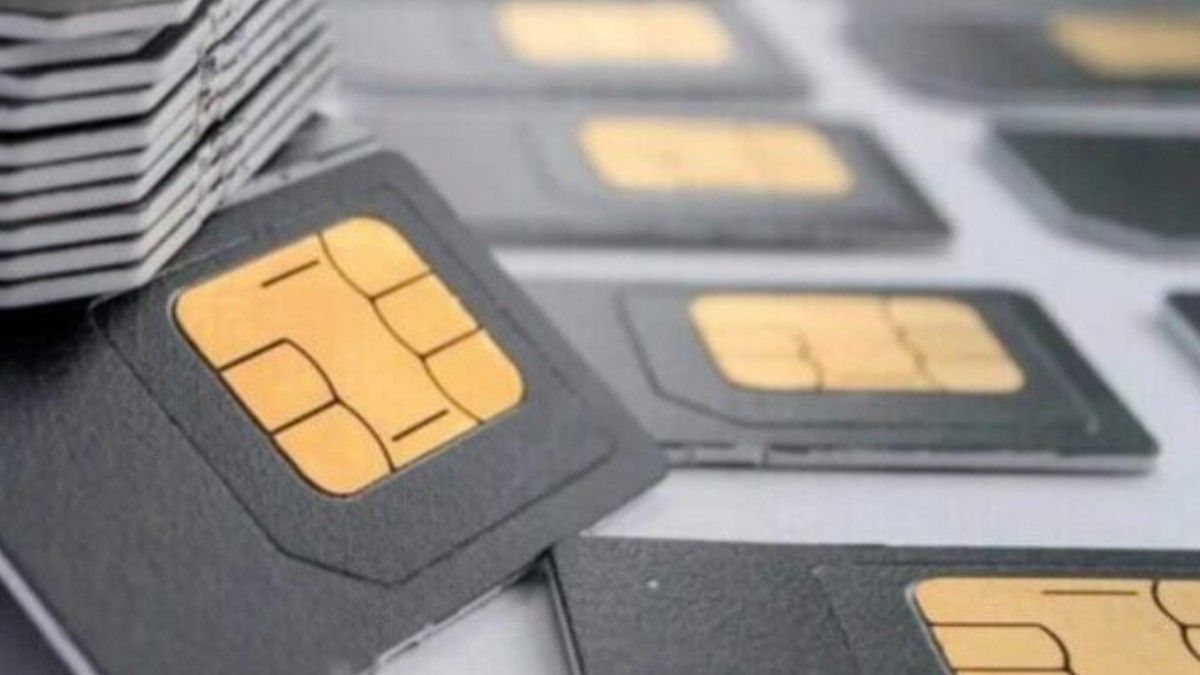
From 28 February, Singaporeans can register a maximum of 10 postpaid SIM cards across all telcos, as authorities intensify anti-scam measures targeting SIM mules and criminal syndicates.
- From 28 February 2026, individuals may register no more than 10 postpaid SIM cards across all telcos.
- Existing subscribers with over 10 postpaid SIMs may retain them, but cannot register new ones.
- Measure targets SIM mules supplying cards to criminal syndicates; offenders face fines, jail, and caning.

SINGAPORE: Starting 28 February 2026, individuals in Singapore will be allowed to register a maximum of 10 postpaid SIM cards across all telecommunications providers. The new limit forms part of ongoing anti-scam initiatives by the Infocomm Media Development Authority (IMDA) and the police.
Currently, individuals can register up to 10 postpaid SIM cards per telco. The tighter restriction aims to curb the bulk purchase and illicit use of SIM cards, often linked to scams, while ensuring legitimate users retain access.
“Starting from 28 February 2026, the IMDA, in consultation with the Singapore Police Force (SPF), will further limit the number of postpaid SIM cards each person can register, to a maximum of 10 across all the telcos,” said IMDA and the police in a joint statement.
The new rules will primarily apply to new subscriptions to minimise disruption to existing subscribers.
Those with more than 10 postpaid SIM cards before 28 February may retain them but will not be able to register additional SIM cards.
Company or corporate subscription plans, as well as data-only SIM cards that cannot make calls or send SMSes, are exempt from the limit, authorities said.
The authorities emphasised the move “aims to minimise the illicit purchase and use of SIM cards, while catering to the needs of legitimate users, such as those who require a higher number of SIM cards for family members or for business purposes.”
Singapore has been progressively tightening SIM card registration limits to combat scams.
In April 2015, the maximum number of prepaid SIM cards per person was reduced from 10 to three across all telcos.
In April 2025, the postpaid limit was set at 10 SIM cards per telco.
Other safeguards include requiring government-issued identification for registration and Singpass verification for online applications.
Foreign passports are no longer accepted for postpaid SIM registrations.
Despite these measures, authorities have noted a rising trend of “SIM mules” purchasing postpaid SIM cards in bulk for criminal syndicates. These mules often receive monetary compensation for each registered SIM card handed over to scammers.
“After purchasing the SIM cards, the mules would hand them over to criminal syndicates or scammers, who will then use them for illicit purposes,” IMDA and the police said.
Scammers and members or recruiters of scam syndicates face mandatory caning of six to 24 strokes if convicted.
SIM mules may receive discretionary caning of up to 12 strokes and will be barred from registering new SIM cards.
Discretionary caning applies if the offender knew or should have known the SIM cards would facilitate crimes.
Authorities warned that “members of the public should always reject requests from others to use their SIM cards as they will be held accountable if these SIM cards are linked to crimes.”
IMDA continues to monitor the situation and will assess whether additional measures are necessary.
The Singapore Police Force said on Friday that 35 individuals had been arrested between 8 and 16 January for allegedly supplying registered postpaid SIM cards for monetary gains.
Seventeen others are assisting with investigations. The subscribers reportedly handed between 30 and 69 SIM cards to syndicate couriers, receiving between S$15 (US$11) and S$20 per card.
Anyone convicted of knowingly providing a registered SIM card for criminal purposes may face fines up to S$10,000, imprisonment for up to three years, or both.