Filmmakers and theatre-makers urge IMDA to let Dear You screen in Teochew
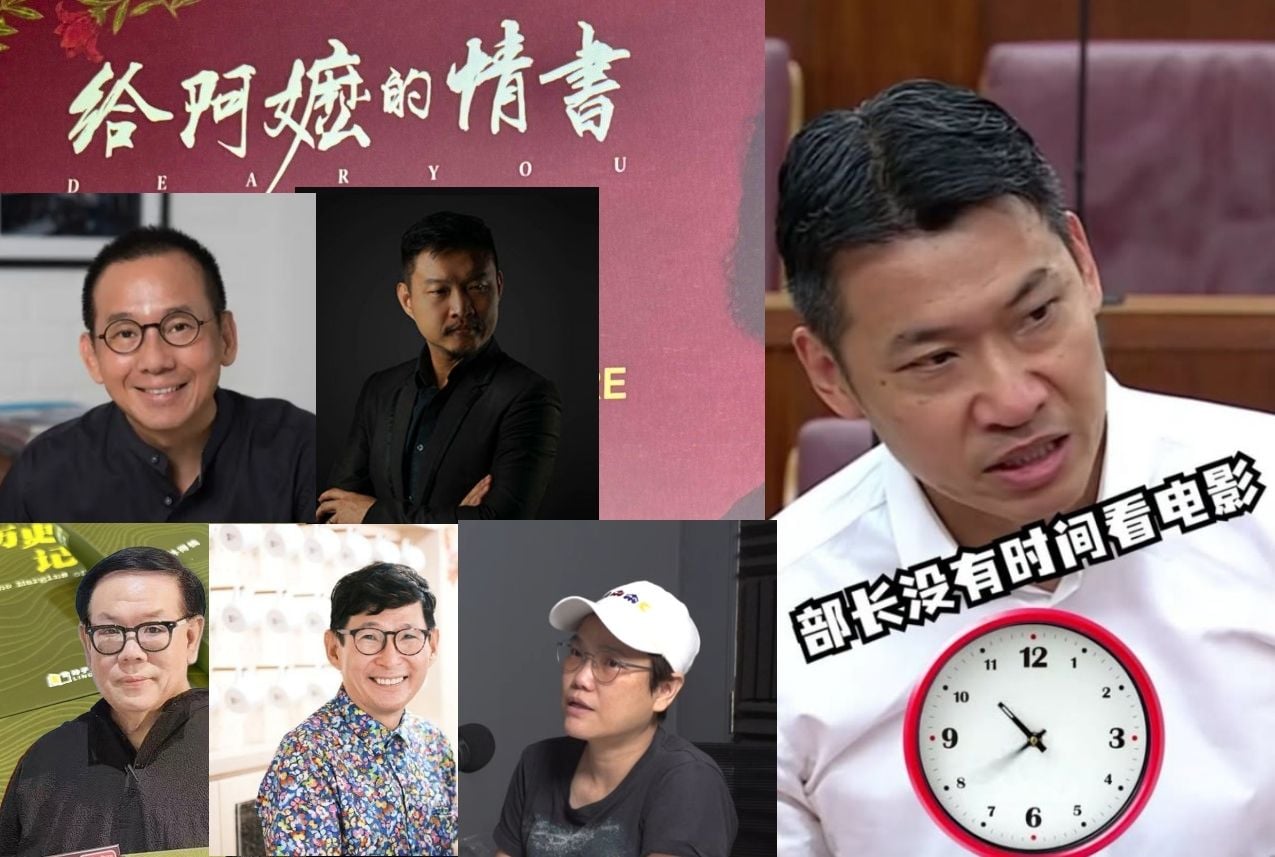
A range of Singapore film and theatre figures — among them Eric Khoo, Jack Neo and Ivan Heng — have publicly called for the Teochew blockbuster Dear You to be shown in its original dialect rather than the Mandarin dub.
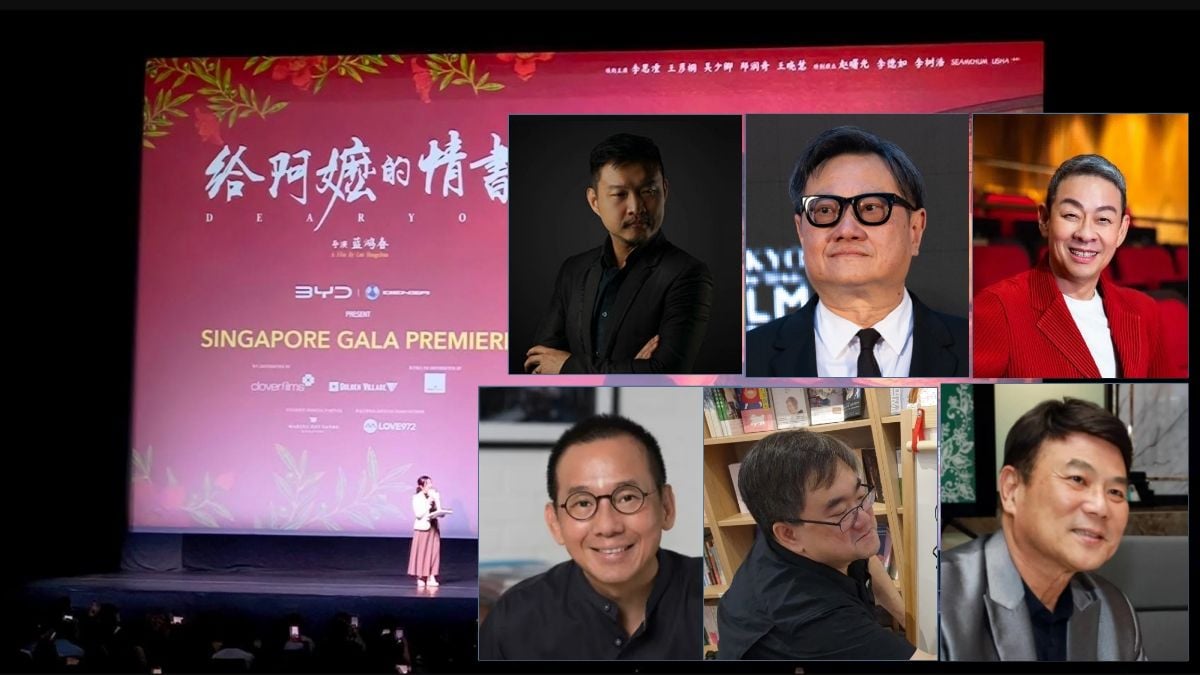

A growing number of Singapore film and theatre figures have publicly called on the authorities to allow the Teochew-dialect hit Dear You to screen in its original language, after the decision to dub it into Mandarin for general release.
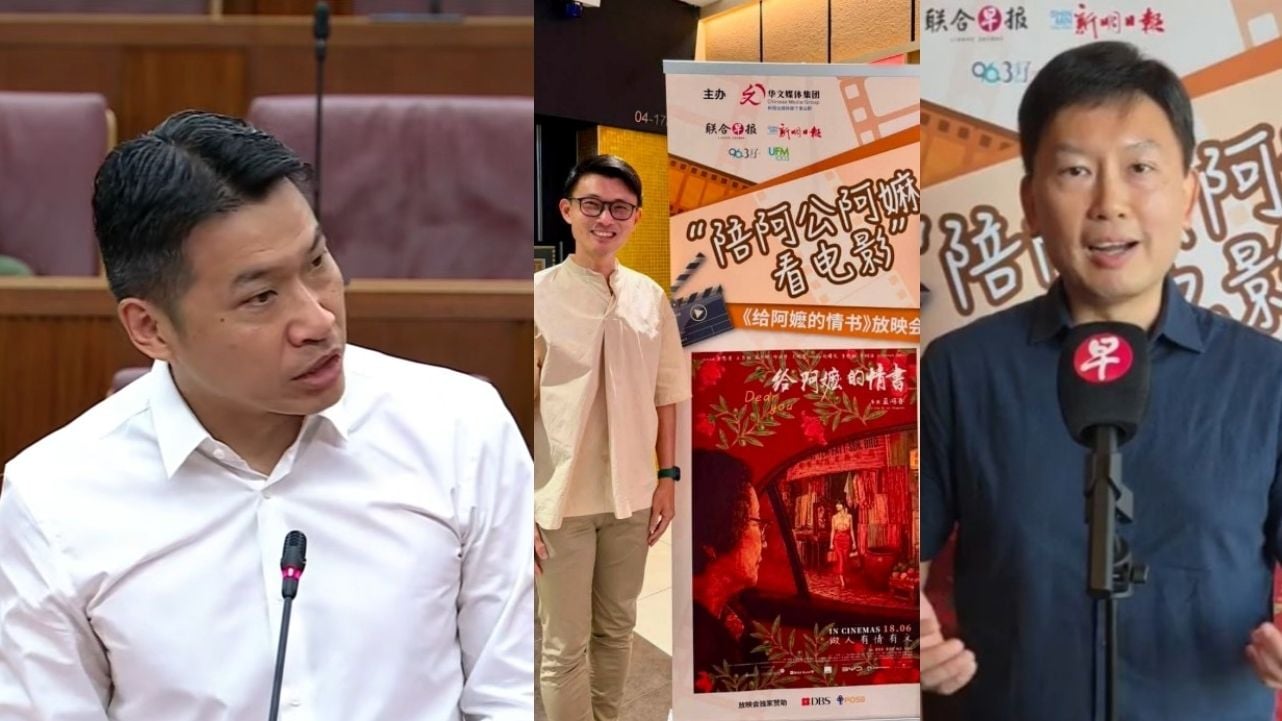
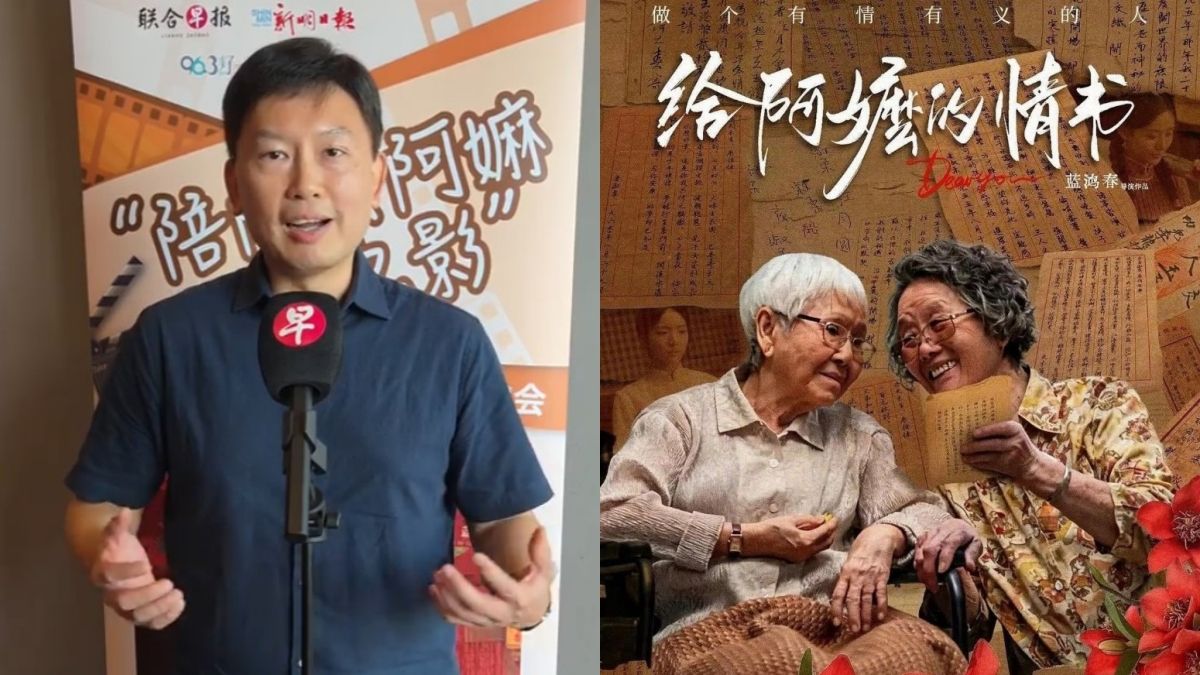
The film opened in cinemas here on 18 June 2026 in a Mandarin-dubbed version. The Teochew original was permitted at the premiere and is to be available only at festival and niche screenings.
All 4,800 tickets for eight Teochew sessions at VivoCity sold out within two hours.
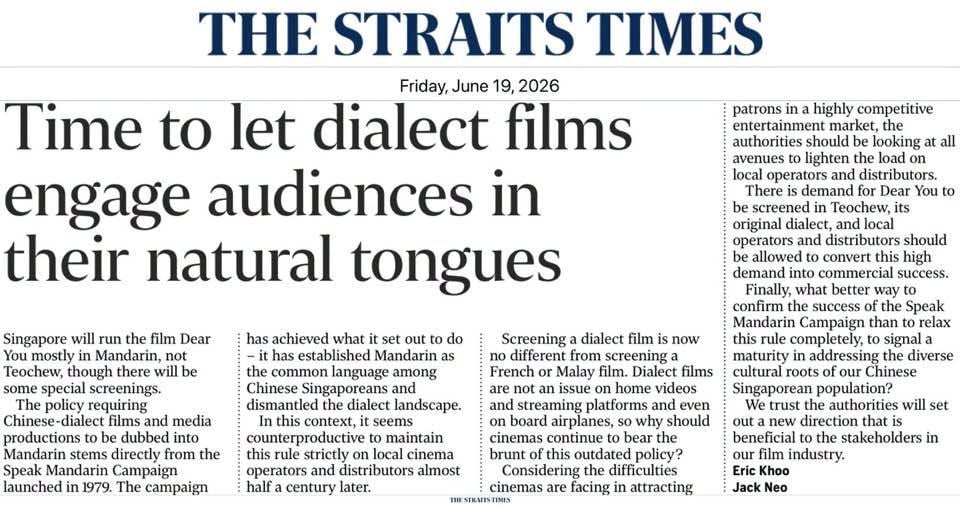
The most prominent intervention came in a letter to The Straits Times Forum on 19 June 2026 from filmmakers Eric Khoo and Jack Neo, who urged the authorities to relax the rule and questioned why cinemas alone should bear what they called an outdated policy.
Their appeal has been echoed across the creative community.
Theatre director Ivan Heng, who watched the film in Teochew at its premiere, wrote that hearing it in the original dialect was central to the experience.
He said the language carried "a flavour, rhythm and emotional truth that no dubbed version could reproduce".
Heng described how the film led him to trace his own family history, recalling a great-grandfather who sailed from China to Singapore on a month-long voyage before bringing his family to settle here.
He urged IMDA to reconsider its decision. While the bilingual policy had "served Singapore well", he wrote, "policies must evolve with the society they serve", adding that the restriction reflected concerns from an earlier era.
"Singaporeans watch Korean dramas without becoming Korean and Hollywood films without becoming American," Heng wrote. "I think we can be trusted to watch a Teochew film in Teochew."
His post drew support from former Nominated Member of Parliament and actress Janice Koh, who commented "well said, Ivan".
Filmmaker, satirist and cartoonist Colin Goh, a Teochew speaker, encouraged people to watch the film — "in Teochew, not the ridiculous Mandarin dub", as he put it. He said he had been moved to tears by its end.
Goh also addressed the claim, raised in recent commentary, that the film served as covert mainland propaganda. He rejected this, suggesting the film was aimed more at mainland viewers and intended to remind them of the diaspora's contribution to China's development.
He was not uncritical. Goh noted what he called an unfortunate portrayal of some Indian characters as villains in one segment, which he described as the closest the film came to pandering to nationalist impulses, while adding that most major characters were given nuance.
Director, composer and creative director Eric Wong, a Hokkien speaker, said he could follow some of the Teochew dialogue and "absolutely loved hearing the original expressions", which he felt added authenticity and charm. He described the premiere at Marina Bay Sands, where director Lan Hongchun and cast members appeared on stage.
In a follow up post in response to the ST forum letter on 19 June, Wong wrote, "I’m fully supportive of dialect film screenings. Many of our seniors would appreciate this change. Time to move forward with a new thinking for a new era."
Veteran producer Daniel Yun was the most pointed.
He noted that some Singaporeans were planning to cross the Causeway to watch the Teochew version in Johor Bahru.
Yun said the Khoo and Neo letter represented "almost every filmmaker based here".
He argued it was baffling that a film celebrating the precise detail of a cultural moment would be "robbed of its native tongue".
He suggested that, as in China, two versions — Teochew and Mandarin — could have been made available, which he thought would have been ideal for Singapore. If the restriction were not updated, he wrote, it risked going down as "one of the most jarring missteps by the governing bodies".
The appeals converge on a common point: that the original dialect is integral to the film, and that the dubbing requirement, rooted in the 1979 Speak Mandarin Campaign, sits awkwardly with present-day Singapore.
The Online Citizen has examined the history and rationale of the dialect rule in a separate analysis.
In response to earlier queries from The Straits Times, an IMDA spokesperson said the Teochew version could be shown at the premiere and at festival or niche events, and that this continued to support the bilingual policy promoting Mandarin as the main language among Chinese Singaporeans. Films with dialect content are allowed on a case-by-case basis.