Singapore Airlines jet suffers tail strike during aborted landing at Changi Airport
A Singapore Airlines Airbus A350 suffered a tail strike during a rejected landing at Changi Airport on 24 January, but all passengers and crew disembarked safely. The aircraft is now undergoing repairs.

- SIA flight SQ917 struck its tail on the runway during an aborted landing on 24 January.
- The aircraft landed safely after a go-around; no injuries were reported.
- The Aviation Herald reported the incident occurred at runway 02L amid windy conditions.

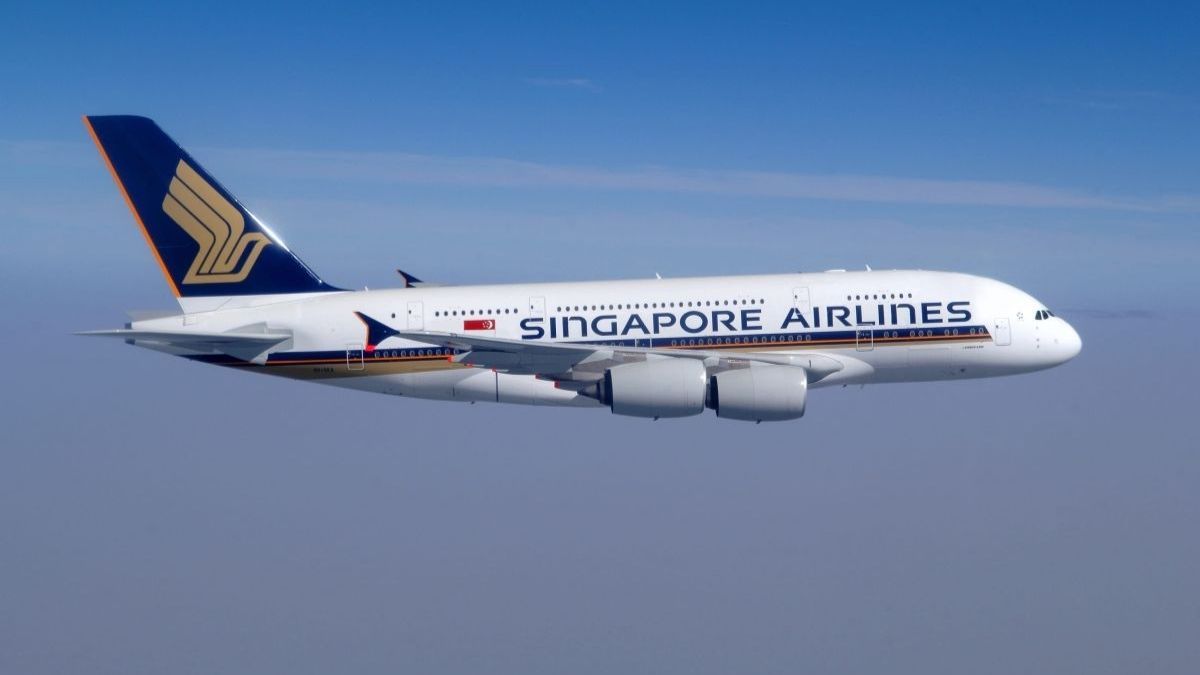
A Singapore Airlines (SIA) aircraft sustained damage to its tail during an aborted landing at Changi Airport on 24 January 2026. The Airbus A350-900 was performing flight SQ917 from Manila when the incident occurred.
According to The Aviation Herald on 26 January, the aircraft, registered 9V-SHW, was on approach to runway 02L when the crew initiated a go-around from very low altitude. During this manoeuvre, the tail made contact with the runway surface.
The flight climbed to 4,000 feet before repositioning for another approach, this time to runway 02C. It landed safely without further incident approximately 25 minutes later.
In a statement released to local media on 27 January, an SIA spokesperson confirmed that all 256 passengers and 16 crew members disembarked normally. No injuries were reported.
The spokesperson explained that the rejected landing was carried out due to wind conditions at the time. Tail contact occurred during this phase, resulting in what is known in aviation as a tail strike.
A tail strike refers to an event in which the rear underside of an aircraft comes into contact with the runway, typically during landing or takeoff. While relatively rare, such incidents can require extensive inspections and repairs.
A photograph shared on social media platform X by user @aviationbrk shows visible scrape marks on the underside of the aircraft's tail section.
SIA stated that the aircraft is currently undergoing repairs. No details have been released regarding the extent of the damage or the estimated time the aircraft will remain out of service.
According to travel advisory site VisaHQ, tail strikes may result in substantial financial costs for airlines due to the structural checks and maintenance required before the aircraft can return to service.
The airline has not indicated whether passengers were informed of the tail strike during or after the flight.