Fewer polytechnic grads receiving full-time job offers as post-pandemic hiring slows: Desmond Lee
7.1% of polytechnic graduates in 2025 applied for but did not receive full-time permanent job offers, up from 2.6% in 2023. In a written reply, Minister Desmond Lee cited sectoral slowdowns—especially in tech and engineering—and economic uncertainty as key contributing factors.


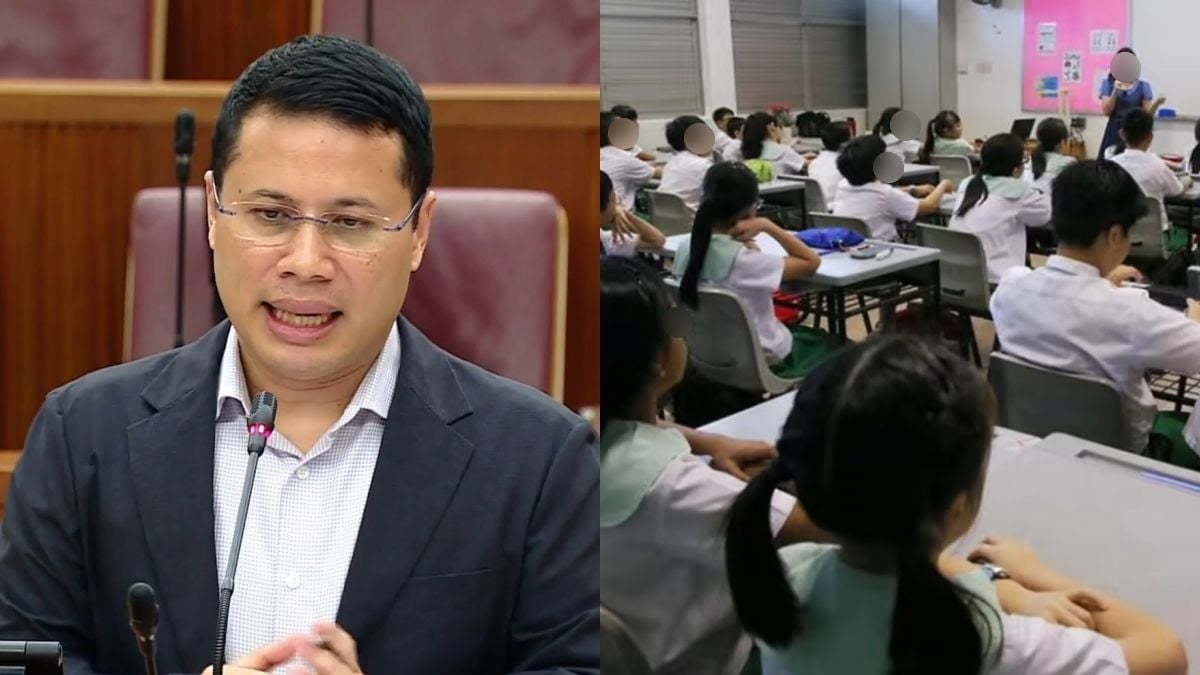
In a written parliamentary reply on 4 February 2026, Minister for Education Desmond Lee said that the recent increase in the number of polytechnic graduates who applied for jobs but did not receive full-time permanent offers was likely due to moderating post-pandemic hiring trends and broader economic uncertainty.
The response was issued to Workers’ Party MP Fadli Fawzi (Aljunied GRC), who had asked for the reasons behind the decline since 2023, whether particular courses were disproportionately affected, and what actions were being taken to assist these students.
Minister cites economic and sectoral factors
Minister Lee said that polytechnic graduate employment rates are influenced by broader economic and labour market trends, and that some year-on-year fluctuation is to be expected.
He noted that employment outcomes for polytechnic graduates have remained generally stable over the past decade, with around 90% securing employment within six months of graduation and just 3% in involuntary part-time or temporary jobs.
However, he acknowledged that the most recent survey showed a dip from the highs of 2022 and 2023, which followed a “post-pandemic surge” in hiring. According to Minister Lee, the moderation in job vacancies since then reflects slower churn and a more cautious hiring environment, amid global economic uncertainty and ongoing geopolitical developments.
While entry-level opportunities are still available, he said that outward-oriented sectors—particularly Information & Communications—have experienced more subdued hiring in recent years. In the 2025 survey, graduates from Information and Digital Technologies, as well as Engineering courses, made up a slightly larger proportion of those who applied for but did not receive full-time permanent offers within six months of graduation.
Education and career support remains available
To support those affected, Minister Lee said that polytechnics continue to provide Education and Career Guidance (ECG) services, including career coaching and employment facilitation. He also pointed to Workforce Singapore (WSG) and NTUC’s Employment and Employability Institute (e2i) as additional sources of help for jobseekers.
He added that sector-specific initiatives—such as the TechSkills Accelerator (TeSA) for ITE and Polytechnics (TIP) Alliance—provide training to improve graduates’ employability in industry-relevant areas.
Minister Lee’s reply also addressed a similar written question filed earlier for the 3 February sitting, reiterating that the Government continues to monitor graduate outcomes while working with institutions and agencies to improve job readiness.
While overall employment outcomes have remained relatively stable—with 90% of polytechnic graduates in the labour force securing some form of employment within six months in 2025—the percentage of those not receiving full-time permanent job offers has ticked up.
According to the 2025 GES, 7.1% of all polytechnic graduates—fresh and post-National Service—had applied for but not received any full-time permanent job offers, up from 2.6% in 2023.