Shawn Loh proposes surplus sharing plan; PM Wong stresses fiscal discipline and retiree support
During the 24 February 2026 Budget debate, Shawn Loh proposed returning fiscal surpluses above 2% of GDP to Singaporeans. Prime Minister Lawrence Wong on 26 Feb said revenue gains are already shared while preserving fiscal discipline, and assured continued support for retirees facing cost pressures.
- Shawn Loh proposed a formal surplus-sharing mechanism for fiscal surpluses above 2% of GDP.
- PM Wong said revenue upsides are already redistributed through support packages and investments.
- The government pledged continued structural support for retirees amid cost-of-living concerns.

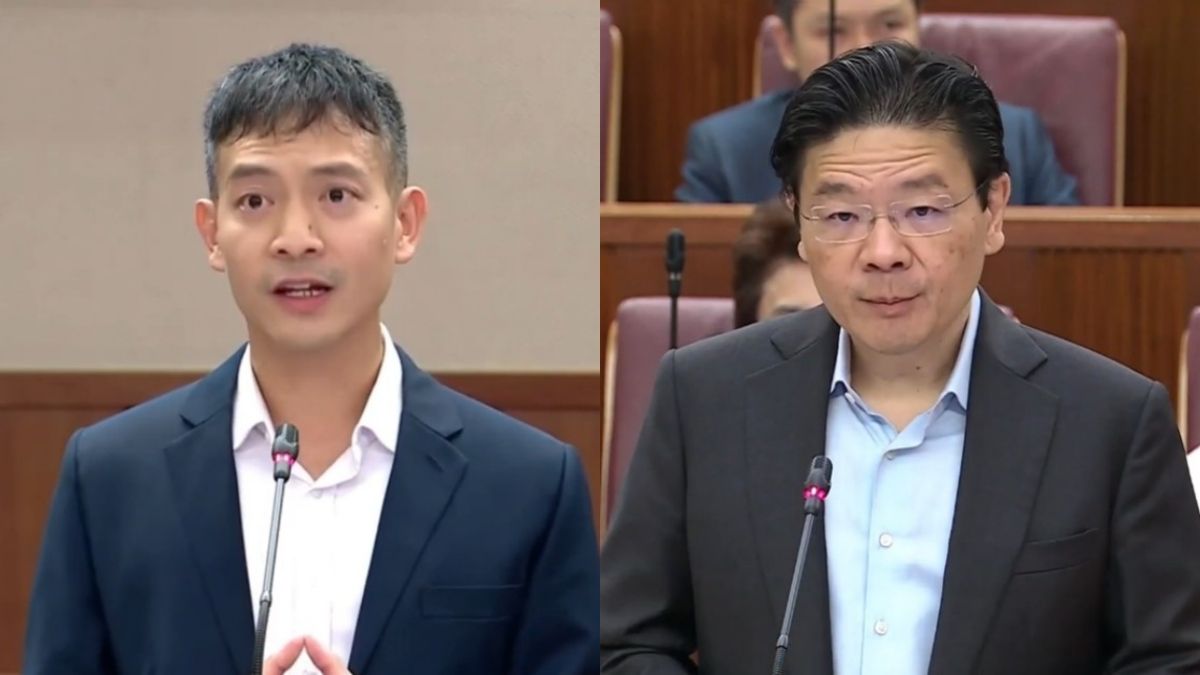
During the Budget 2026 debate on 24 February 2026, Jalan Besar GRC MP Shawn Loh proposed a long-term surplus sharing mechanism to return excess fiscal surpluses to Singaporeans. Prime Minister Lawrence Wong responded that the government already redistributes revenue gains while maintaining fiscal discipline.
Loh suggested that any fiscal surpluses exceeding 2% of GDP should be returned to citizens in the following year. He proposed distribution through additional Community Development Council vouchers, CPF top-ups or rebates for government services.
“We should assure Singaporeans that when Singapore does well, all Singaporeans will benefit,” Loh said. “This can be achieved through a longer-term commitment from the government on a surplus sharing mechanism.”
He added that if CDC vouchers risked fuelling inflation, alternatives such as universal CPF top-ups or transport and utilities rebates could be considered. Loh said this would be similar to a “social dividend” concept previously discussed publicly.
Loh also suggested that some temporary support measures introduced in recent years could be made permanent or extended over a longer term, to provide greater certainty for households.
Government response on revenue and spending
Responding on 26 February 2026, Prime Minister Wong in his budget wrap-up speech said the government does not rely on a fixed threshold to trigger redistribution.
“In practice, we actually do not wait to cross a mechanical threshold like that,” he said.
“Whenever there are revenue upsides, we have shared some of the gains with Singaporeans.”
He cited the SG60 package last year as an example of how revenue gains were channelled back to households. This year, revenue upsides were directed towards CPF top-ups and a cost-of-living special payment.
At the same time, Wong stressed that funds were also invested in longer-term national priorities. These include strengthening the social support system, enhancing connectivity and security, and building economic resilience.
For financial year 2026, government expenditure stands at 18.4% of GDP, which Wong described as the largest Budget on record. Earlier projections by the Ministry of Finance indicated that spending could reach 20% of GDP by 2030.
However, Wong noted that expenditure has been rising by an average of S$10 billion annually since Singapore emerged from the COVID-19 pandemic. As a result, he said spending is likely to exceed 20% of GDP well before 2030.
Fiscal outlook and tax policy
Loh also asked whether the government could commit to refraining from further major revenue moves. In response, Wong said that if circumstances remain broadly stable, the fiscal position during this term of government is expected to remain healthy without additional major revenue changes.
He reiterated that there will be no further GST increases until at least 2030. Beyond GST, the tax system will continue to be reviewed as part of prudent fiscal management.
“We will make revenue adjustments only when necessary to fund structural spending needs or to achieve clear policy objectives like strengthening progressivity or addressing externalities,” Wong said.
He described tax increases as difficult decisions taken only after careful study and full consideration of the impact on households and businesses.
The Ministry of Finance had earlier published medium-term fiscal projections up to 2030. Wong said these projections would be refreshed, with updated estimates extending to 2035 to be published next year.
However, he cautioned that forward projections can quickly become outdated in a fast-changing global environment. “Ultimately, what matters most is maintaining fiscal discipline together with the agility and nimbleness to respond swiftly as circumstances change,” he said.
Support for retirees amid rising costs
Loh further raised concerns about half a million retirees who do not benefit from wage growth when living costs rise. While acknowledging that higher incomes are the best long-term defence against inflation, he said retirees remain vulnerable.
“To the government’s credit, the last few years of support have given that assurance to our retirees,” Loh said. He asked whether structural support could be guaranteed to keep pace with the cost of living, rather than relying on one-off measures.
Wong acknowledged that retirees may face the greatest concerns because they do not experience wage increases.
“We are very mindful that retirees will face potentially the biggest concerns because they do not have incomes,” he said. “The cost of living pressures will be felt more acutely by this segment.”
He assured Parliament that the government would continue monitoring cost-of-living pressures across all segments of society. “We will take care of our retirees, but at the same time we will also take care of all Singaporeans,” Wong said.
He added that policies would aim to support wage growth for workers while easing cost pressures for retirees, so that all Singaporeans can benefit from the nation’s progress.