Iranian Supreme Leader Ayatollah Ali Khamenei killed in joint US and Israeli strikes
Iran has confirmed the death of Supreme Leader Ayatollah Ali Khamenei following coordinated military strikes by the United States and Israel on Tehran. The Islamic Republic has declared 40 days of mourning as the military warns of devastating retaliation against regional targets.

- Ayatollah Ali Khamenei was killed at his office in Tehran during coordinated air strikes by US and Israeli forces on Saturday morning.
- A transitional trio comprising the President, the Head of the Judiciary, and a member of the Guardian Council will manage state affairs until a successor is named.
- Iran has launched retaliatory attacks on US military bases and allies in Dubai, Doha, Bahrain, and Kuwait, resulting in several injuries and regional disruption.

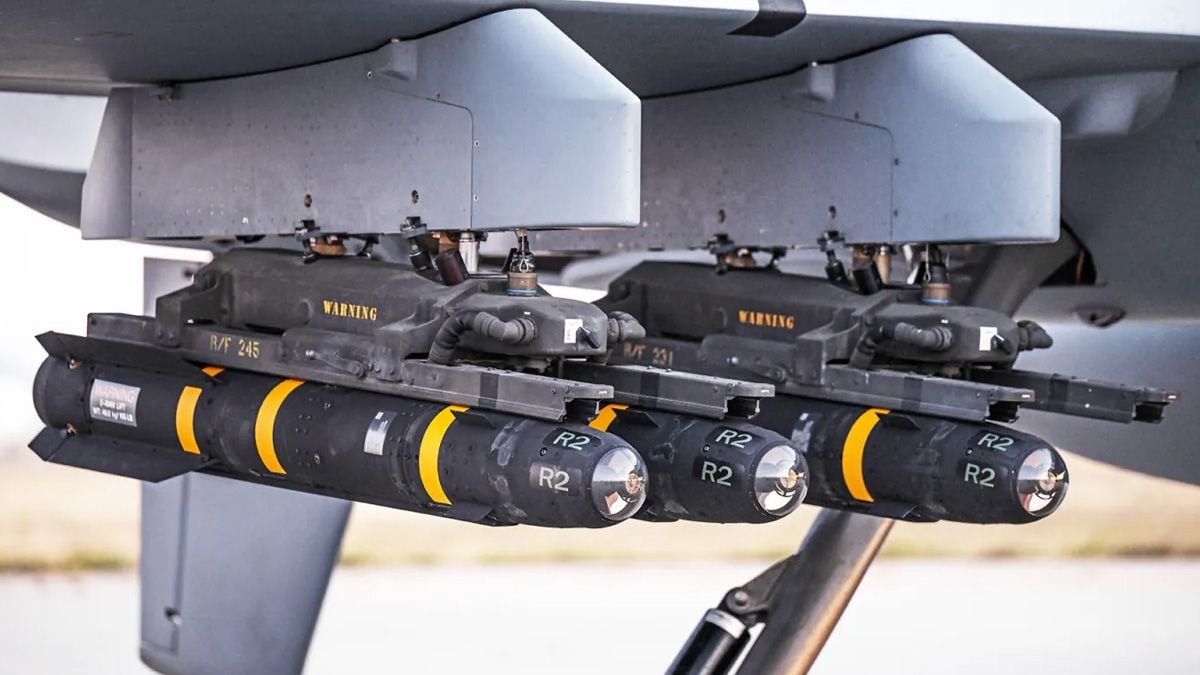
The Iranian government has confirmed that Supreme Leader Ayatollah Ali Khamenei was killed early Saturday morning during a series of military strikes conducted by the United States and Israel on Saturday (28 Feb). The Supreme National Security Council announced his death occurred at his office.
The Leadership House compound in Tehran, which served as the official office of the cleric, sustained significant damage. This was confirmed by satellite imagery analysis.
The announcement of the death of Ayatollah Ali Khamenei on Iranian state television was delivered in a highly emotional broadcast, where a presenter, speaking through tears, confirmed the leader's passing.
The official statement, translated by Reuters, declared that the 'Leader and Imam of the Muslims, His Eminence Ayatollah Seyyed Ali Hosseini Khamenei, on the path of upholding the exaltation of the sacred sanctuary of the Islamic Republic of Iran, drank the sweet, pure draught of martyrdom and joined the Supreme Heavenly Kingdom'.
A period of 40 days of national mourning has been declared for the hardline cleric. He had maintained an absolute grip on the nation’s political and military architecture for 37 years since his appointment in 1989.
The Islamic Revolutionary Guard Corps (IRGC) has issued a formal warning of a "most devastating" retaliation. The military body stated it would target United States military installations and Israeli territory in an offensive response to the operation.
The IRGC-affiliated Tasnim News Agency dismissed previous claims that the leader had been in hiding. The agency stated that his presence at his office during the strikes proved such reports were merely psychological warfare conducted by enemies of the state.
According to the Iranian constitution, a successor must be appointed by the Assembly of Leadership Experts. This body consists of 88 clerics. While normally elected, candidates are strictly vetted to ensure loyalty to the principles of the Islamic Republic.
Until a permanent successor is chosen, a transitional council will oversee the country. This group includes the President, the Head of the Judiciary, and a clerical member of the Guardian Council. Assembling the full Assembly may prove difficult due to ongoing strikes.
The Red Crescent has reported that more than 200 people have been killed in the recent wave of strikes. Reports from CBS News indicate that approximately 40 high-ranking Iranian officials are among the dead following the coordinated military action.
Confirmed fatalities include the Commander-in-Chief of the IRGC, Mohammad Pakpour, and the Secretary of the Defence Council, Ali Shamkhani. Both men were senior figures within the security apparatus and had previously been sanctioned by the United States Treasury.
In immediate retaliation, Iran launched strikes across the Middle East. Targets included areas near US military bases and allied infrastructure in Dubai, Doha, Bahrain, and Kuwait. Four people were reportedly injured following an incident at Dubai International Airport.
Prime Minister Sir Keir Starmer confirmed the United Kingdom is participating in coordinated regional defensive operations. These measures are intended to protect British citizens and regional partners from the escalating conflict following the death of the Supreme Leader.
US President Donald Trump described the event as the greatest opportunity for the Iranian people to reclaim their nation. He characterised the late leader as a significant historical adversary. The US administration indicated that military operations in Tehran might continue.
The military intervention has caused political division within the United States. While the administration proceeds with the campaign, some lawmakers have noted that a formal declaration of war requires congressional approval. The United Nations warned the strikes undermine regional peace.
Public reaction within Iran has been sharply divided. Verified footage from several cities, including Isfahan and Karaj, showed citizens celebrating with fireworks and car horns. Many of these individuals were identified as families of protesters killed in previous state crackdowns.
Conversely, large crowds gathered in the streets of Tehran to mourn. State television broadcast images of citizens weeping and holding portraits of the late cleric. Pro-government events are expected to continue throughout the mandated mourning period.
Exiled figure Reza Pahlavi issued a statement from abroad welcoming the development. He argued that the Islamic Republic had spent decades subverting regional sovereignty and suggested the path forward must include a new constitution and internationally overseen elections.
Ayatollah Khamenei was born in Mashhad in 1939 and rose to prominence as a loyalist to Ayatollah Khomeini. He was instrumental in organising the IRGC following the 1979 revolution and served as Deputy Defence Minister before becoming Supreme Leader.
Throughout his tenure, he was known for his deep suspicion of Western powers and his calls for the elimination of Israel. His leadership was marked by the violent suppression of internal dissent and a commitment to maintaining a hardline clerical rule.
The transition comes at a precarious time as the nation remains under active bombardment. The Assembly of Leadership Experts is tasked with finding a candidate who can maintain the systemic integrity of the Islamic Republic amidst unprecedented external pressure.