Iran attacks Singapore-flagged Ever Lovely in Strait of Hormuz, halting UN evacuation plan
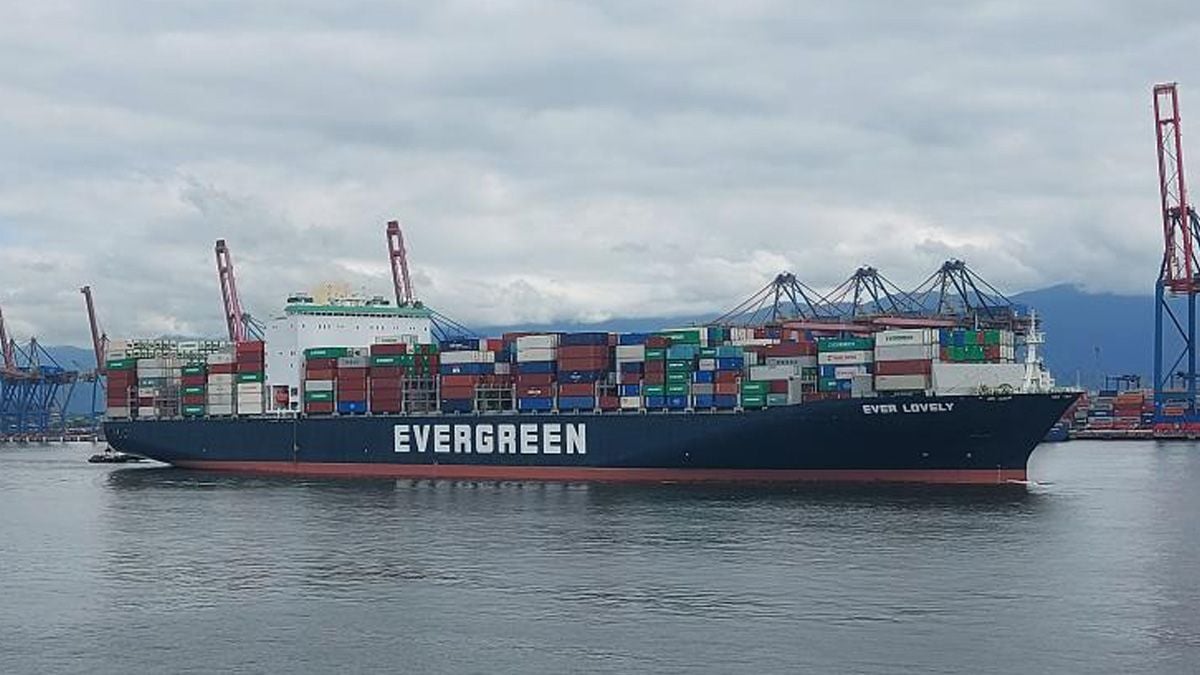
Iran's IRGC struck the Singapore-flagged container ship Ever Lovely in the Strait of Hormuz on 25 June, prompting the UN's International Maritime Organization to suspend its operation to evacuate more than 11,000 stranded sailors.
- Iran's IRGC struck Singapore-flagged Ever Lovely with a drone, damaging the bridge but causing no casualties.
- The UN's IMO suspended its Hormuz sailor evacuation following the attack on the non-framework vessel.
- Oil prices jumped more than two per cent; Iran warned ships outside designated routes are unprotected.

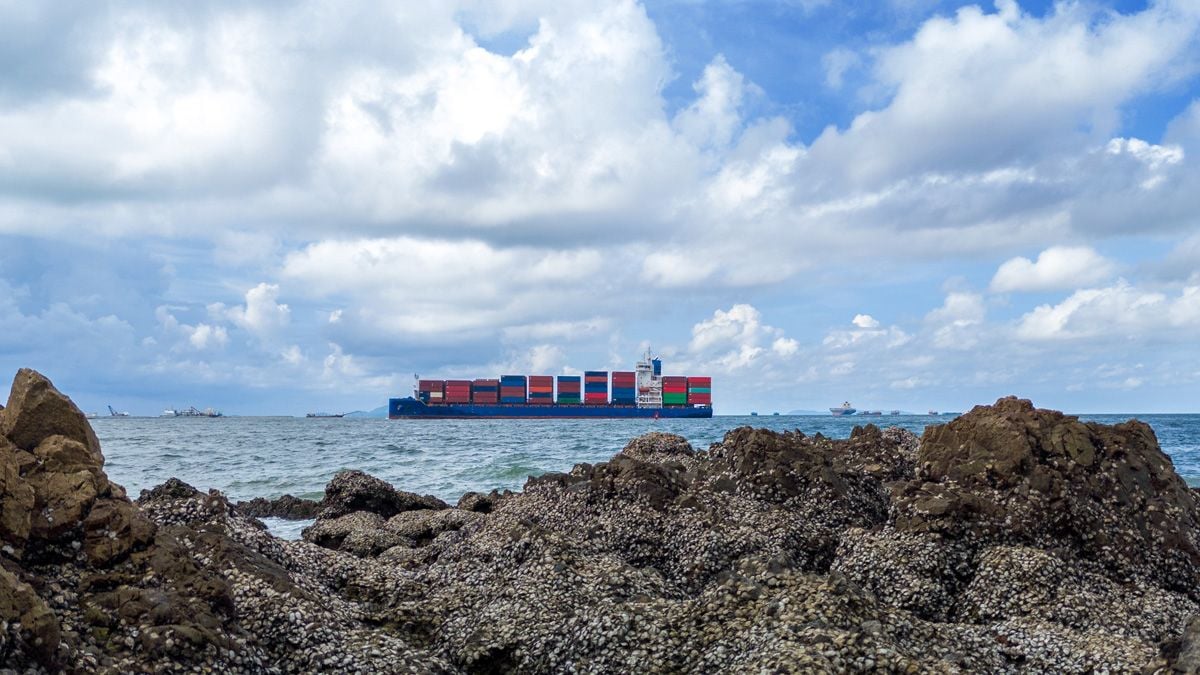
Iran's Islamic Revolutionary Guard Corps (IRGC) struck the Singapore-flagged container ship Ever Lovely with a drone on 25 June 2026 as the vessel transited the Strait of Hormuz near the coast of Oman, according to two United States officials cited by US media. The attack damaged the ship's bridge but caused no casualties or environmental impact.
The United Kingdom Maritime Trade Operations (UKMTO) centre, affiliated with the British Royal Navy, reported that the vessel had been hit on its starboard side by an unknown projectile approximately 7.5 nautical miles southeast of Oman's port of Dahit.
The UKMTO advised all vessels to transit the area with caution and said authorities were investigating the incident.
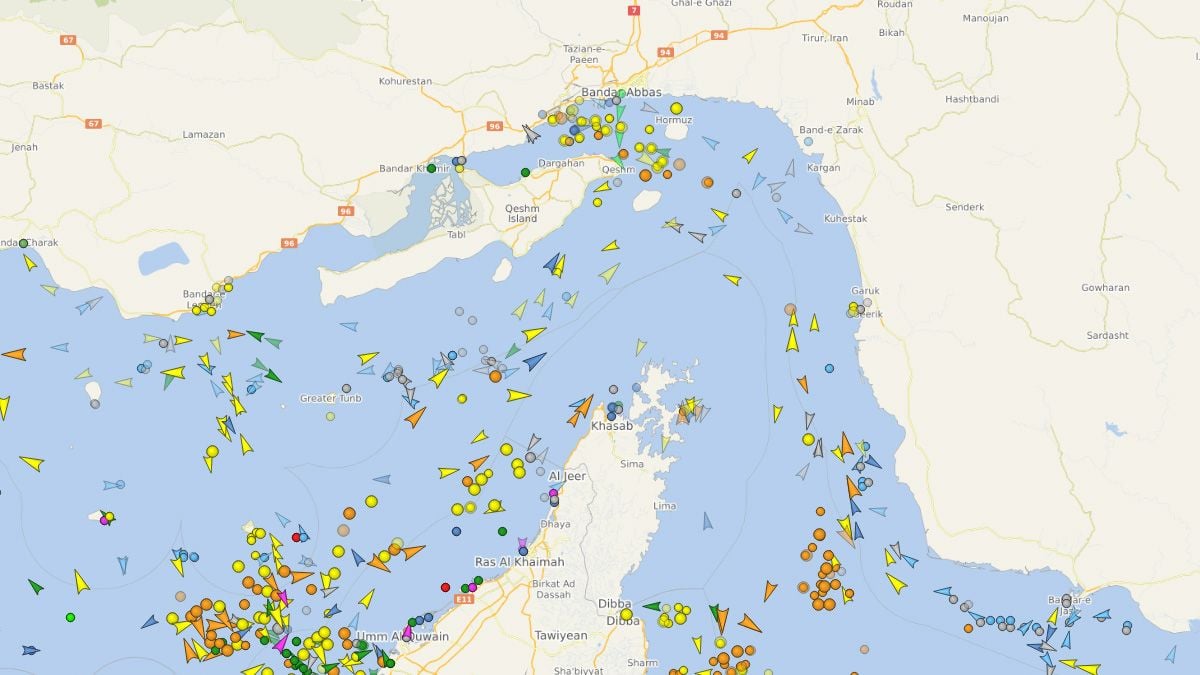
Ship-tracking service MarineTraffic recorded that the Ever Lovely had entered the strait via the southern route on the morning of 25 June and exited on the eastern side at approximately 15:30 local time. British maritime risk management firm Vanguard confirmed the vessel continued through the strait after the strike without requesting assistance.
The Ever Lovely was not operating under the International Maritime Organization's (IMO) evacuation framework, IMO chief Arsenio Dominguez confirmed in a statement issued on the same day.
IMO suspends Hormuz evacuation
The attack prompted the IMO to immediately suspend its evacuation programme, which had been launched only on Tuesday following the partial reopening of the strait. The initiative had been designed to shepherd roughly 600 ships and more than 11,000 stranded mariners out of the Gulf through designated transit corridors.
Dominguez said in his statement: "I have always reiterated that the safety of the seafarers remains paramount. Therefore, to ensure a coordinated approach and navigational safety, the evacuation plan will be paused until further clarity is obtained."
He noted that several vessels had already been evacuated under the framework and said the agency required assurance that "necessary safety guarantees" would remain in place before operations could resume.
The IMO had announced the evacuation effort after securing what Dominguez described as cooperation from Iran, Oman, the United States, other coastal states and the broader maritime industry.
Iran asserts route authority
Hours before the attack on the Ever Lovely, Iran's IRGC ordered two Panama-flagged ships to change course in the strait, according to British maritime security company Ambrey.
The Persian Gulf Strait Authority (PGSA), the body established by Iran to administer transit through the Strait of Hormuz, issued a post on X following the incident stating that vessels passing outside its designated routes would not be guaranteed safe passage. "Any consequences arising from the use of unauthorised routes shall be the responsibility of the vessel's owner, operator and master," the PGSA said.
Iranian state media had earlier reported that Tehran considers only routes it has designated as permissible, and that transit along other corridors is dangerous and unacceptable.
Iranian Foreign Minister Seyed Abbas Araghchi announced that Iran and Oman would hold talks "to define future administration and maritime services" in the strait, following a phone call with Omani Foreign Minister Badr Albusaidi.
Oil prices spike on attack news
Global oil markets reacted immediately. The price of Brent crude, the international benchmark, rose more than two per cent to US$75.26 a barrel following news of the attack, according to Reuters. Earlier on 25 June, both Brent and US crude had fallen to their lowest levels since 27 February — the day before the United States and Israel launched air operations against Iran — with Brent briefly falling below US$72.48 a barrel.
Prices had been declining since the US and Iran signed a Memorandum of Understanding on 17 June setting out a 60-day framework for nuclear negotiations and other steps to end the conflict.
Background: The Hormuz crisis
The Strait of Hormuz has been effectively closed to much of international shipping since 28 February 2026, when US and Israeli forces launched strikes against Iran and assassinated Supreme Leader Ali Khamenei. In response, Iran closed the strait — through which approximately 20 per cent of the world's oil and gas flows — triggering a spike in global energy prices and disrupting shipments of commodities including fertiliser.
Last week, the US and Iran concluded a 14-point agreement ending hostilities, which included a commitment from Tehran to use its "best efforts" to ensure safe passage of commercial vessels for 60 days without charge.
However, Tehran has separately indicated it intends to impose what it characterises as maritime service fees on vessels transiting the strait, a position it distinguishes from the imposition of tolls. US Secretary of State Marco Rubio, speaking on Tuesday during a Gulf tour to discuss the agreement, said no country is permitted to impose tolls on what he described as "an international waterway."
The traffic through the strait rose sharply on Thursday. Data and analytics firm Kpler recorded approximately 70 vessels transiting on 25 June — a 105 per cent increase from Wednesday — with 53 of those being commercial vessels. Kpler stated that lower-risk ships dominated the day's transit profile.
US President Donald Trump, speaking at a White House dinner on the evening of 25 June, said the US was negotiating with Iran from a "position of pure strength" and reiterated that Iran would not be permitted to acquire nuclear weapons. Trump also stated that the Strait of Hormuz remained open.