US temporarily lifts Iranian oil sanctions as Strait of Hormuz traffic recovers
The United States has issued a 60-day waiver permitting the sale of Iranian oil, following weekend negotiations in Switzerland aimed at ending the war with Iran. The move came as commercial shipping through the Strait of Hormuz steadily increased.
- US issues 60-day waiver allowing Iran to sell oil sanction-free until 21 August.
- Treasury says Iran committed to open Strait of Hormuz transit and nuclear inspections.
- Iran disputes accepting new nuclear monitoring obligations during Switzerland talks.

The United States has temporarily lifted sanctions on the sale of Iranian oil, following through on a key commitment made under its extended ceasefire agreement with Tehran.
The 60-day waiver, issued on Monday, 22 June 2026, came after weekend negotiations in Switzerland between the two countries. US Treasury Secretary Scott Bessent characterised the discussions as productive talks.
The general licence authorises the production, delivery and sale of Iranian oil. It allows Iran to sell and deliver oil free of sanctions until 12.01am on 21 August, to nearly every country in the world, including the United States.
Bessent said Iran had committed to free and open transit through the Strait of Hormuz and to permit International Atomic Energy Agency (IAEA) inspectors into the country.
The waiver could represent a significant boost to Iran's economy after years of harsh restrictions on its ability to export oil. Trump administration negotiators agreed to the measure in an effort to convince Iran to fully reopen the strait and ease a global energy supply crunch.
Concessions and conditions
The temporary relief forms part of a wider initiative outlined by US Vice President JD Vance, who led the US delegation in Switzerland. Vance described Sunday as a very good day of negotiations.
Vance said the United States and Qatar would retain approval over any future unfreezing of Iranian assets, to ensure that funds benefit the Iranian people rather than financing terrorism.
He said the money would be directed towards purchasing American soy, corn and wheat for the benefit of the Iranian people, describing the arrangement as a classic Trump deal.
Iran's chief negotiator, Mohammad Bagher Ghalibaf, claimed that Iran's access to US$12 billion of its frozen funds, and details surrounding the lifting of oil sanctions, were finalised during the Switzerland negotiations.
Disputed nuclear commitments
A central disagreement has emerged over Iran's nuclear obligations. Vance said Iran had agreed to admit IAEA inspectors, describing the development as the first step in permanently denuclearising Iran.
However, Iran pushed back on the characterisation. Foreign Ministry spokesperson Esmaeil Baghaei said cooperation with the IAEA would continue under current procedures and in accordance with Iran's existing safeguard obligations.
According to the Islamic Republic News Agency, Iran did not negotiate the nuclear issue during 18 hours of discussions and did not accept any new commitments. A law passed by Iran's parliament last summer restricted IAEA cooperation and suspended inspections.
Strait of Hormuz traffic recovers
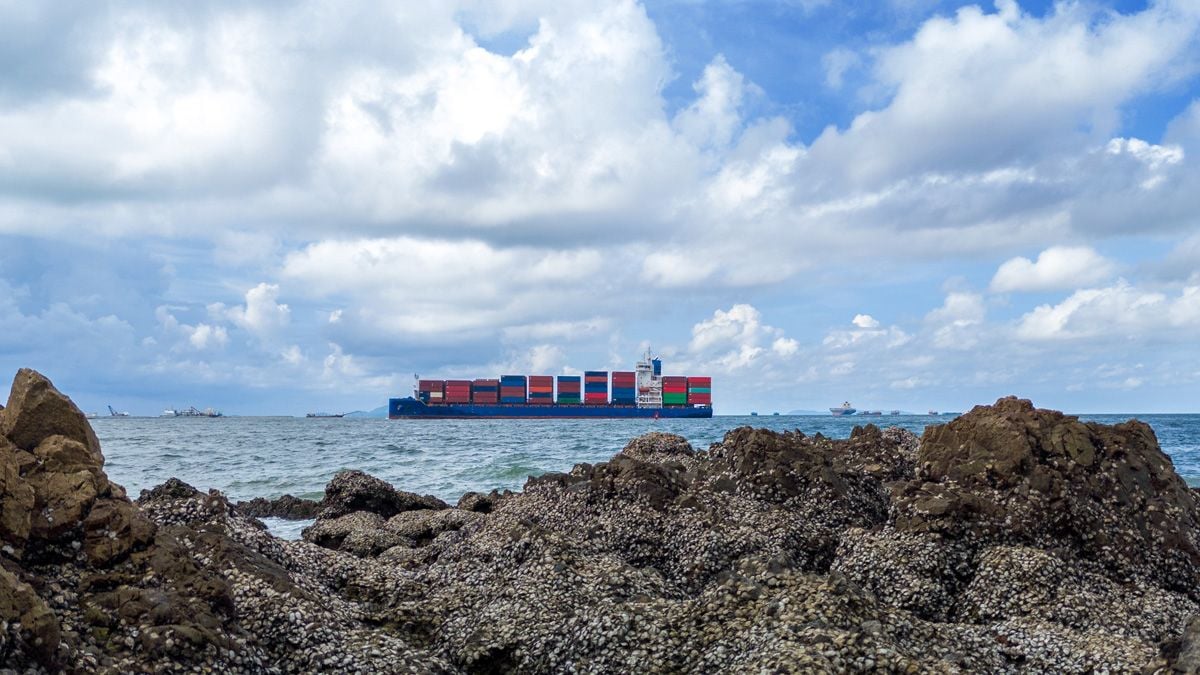
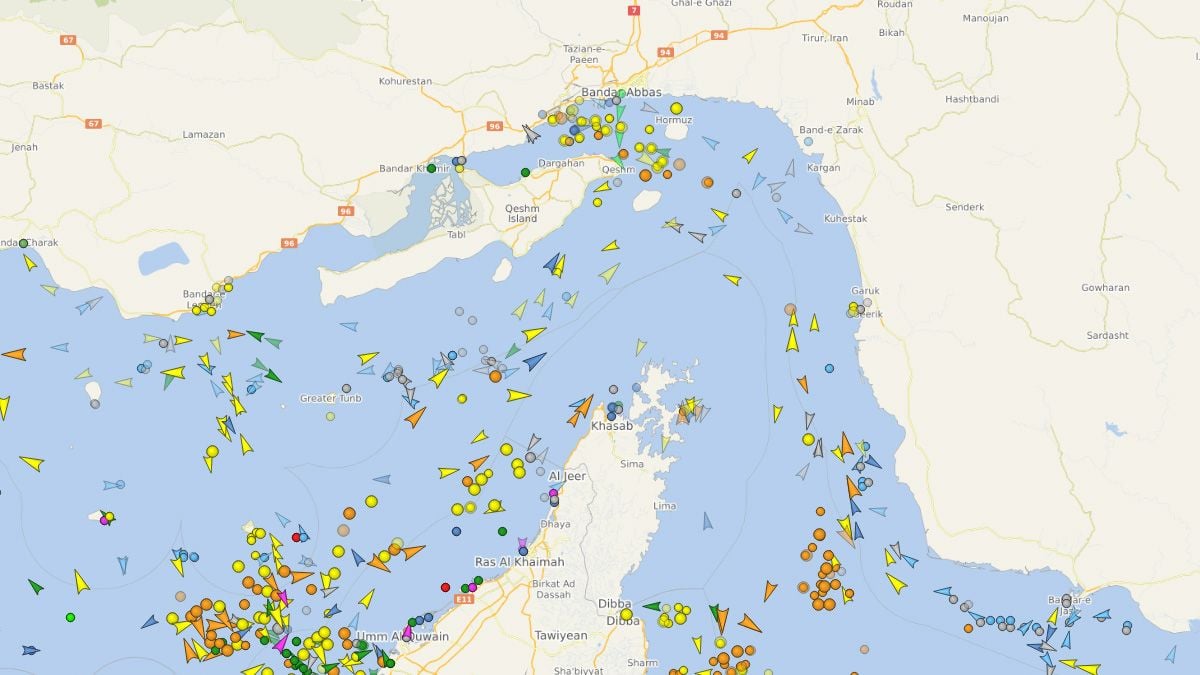
The negotiations coincided with a recovery in commercial shipping through the Strait of Hormuz. According to MarineTraffic data, at least two dozen commercial vessels transited the waterway over a 24-hour period ending Monday afternoon.
The figure marked a clear increase from depressed crossing rates seen during much of the conflict, which began in late February. GPS spoofing, a form of navigation interference, has also subsided noticeably in recent days.
Iran has agreed to establish a Strait of Hormuz telephone hotline to prevent and resolve misunderstandings with the United States and other countries. Ghalibaf said the strait would now be managed under Iranian arrangements and would never return to its pre-war state.
Political reaction
The sanctions relief drew a cautious response from some US lawmakers. Senate Majority Leader John Thune said he was not yet sold on the move, telling reporters he wanted the lifting of sanctions tied to steps by Iran to shut down its nuclear programme.
Robert Malley, former US special envoy on Iran during the Biden administration, said offering economic incentives was what any negotiator would have to do. He described the administration's embrace of sanctions relief as an indictment of the policy Trump himself had previously led.
President Donald Trump, meanwhile, said preventing Iran from obtaining a nuclear weapon outweighed concerns about potential economic consequences. He maintained that military action remained on the table should Iran fail to comply with the agreement.
US Secretary of State Marco Rubio is due to travel to the United Arab Emirates, Kuwait and Bahrain from Tuesday to Thursday to discuss regional priorities, including the memorandum of understanding with Iran and efforts to secure safe transit through the strait.