Andre Low urges criminal penalties for high-pressure sales; Govt reviewing laws, says Low Yen Ling
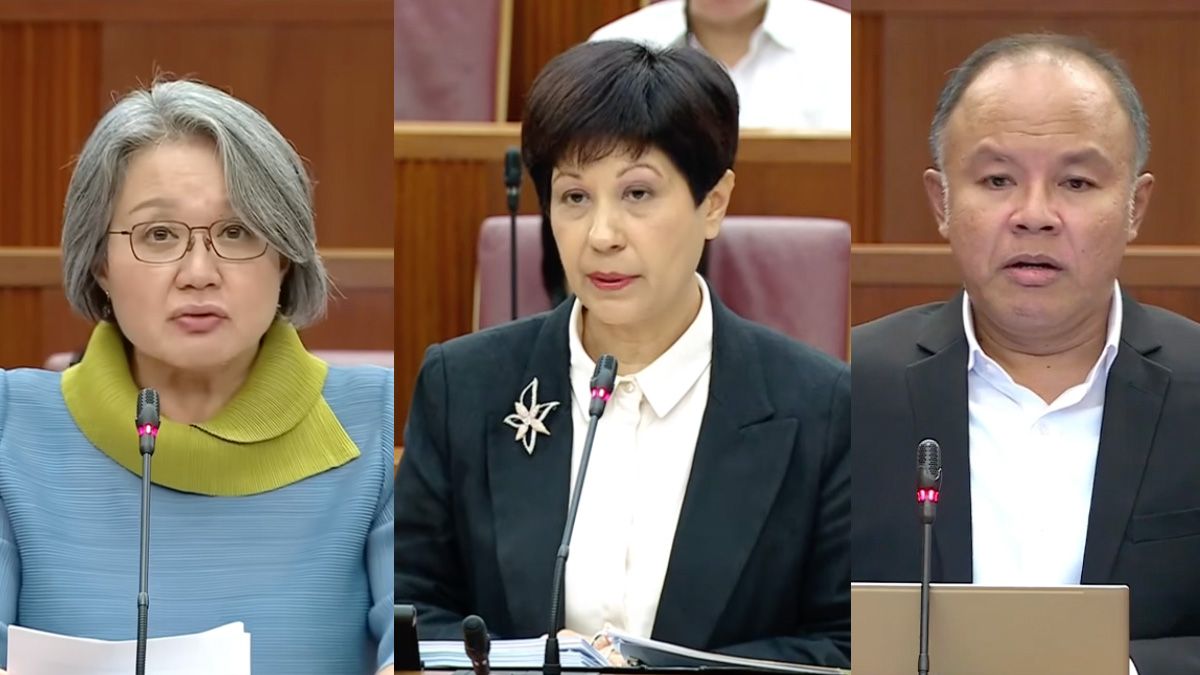
The Government is reviewing Singapore’s consumer protection laws through an independent panel, as MPs call for criminal penalties against high-pressure sales tactics targeting vulnerable seniors. Senior Minister of State Low Yen Ling said a whole-of-government approach is being considered.

- Government reviewing consumer protection regime through independent panel.
- Andre Low calls for criminal penalties for predatory sales tactics.
- Authorities prepared to adopt whole-of-government approach and strengthen enforcement powers.

Singapore’s consumer protection framework is under review, with the Government prepared to strengthen enforcement powers and adopt a whole-of-government approach if necessary.
The move follows calls in Parliament to criminalise high-pressure sales tactics that target vulnerable seniors, likened by Non-Constituency Member of Parliament Andre Low as “in-person scams”.
Senior Minister of State Low Yen Ling said the Government convened an independent Consumer Protection Review Panel in March 2025 and will study its recommendations thoroughly when submitted later this year.
Calls to criminalise predatory sales practices
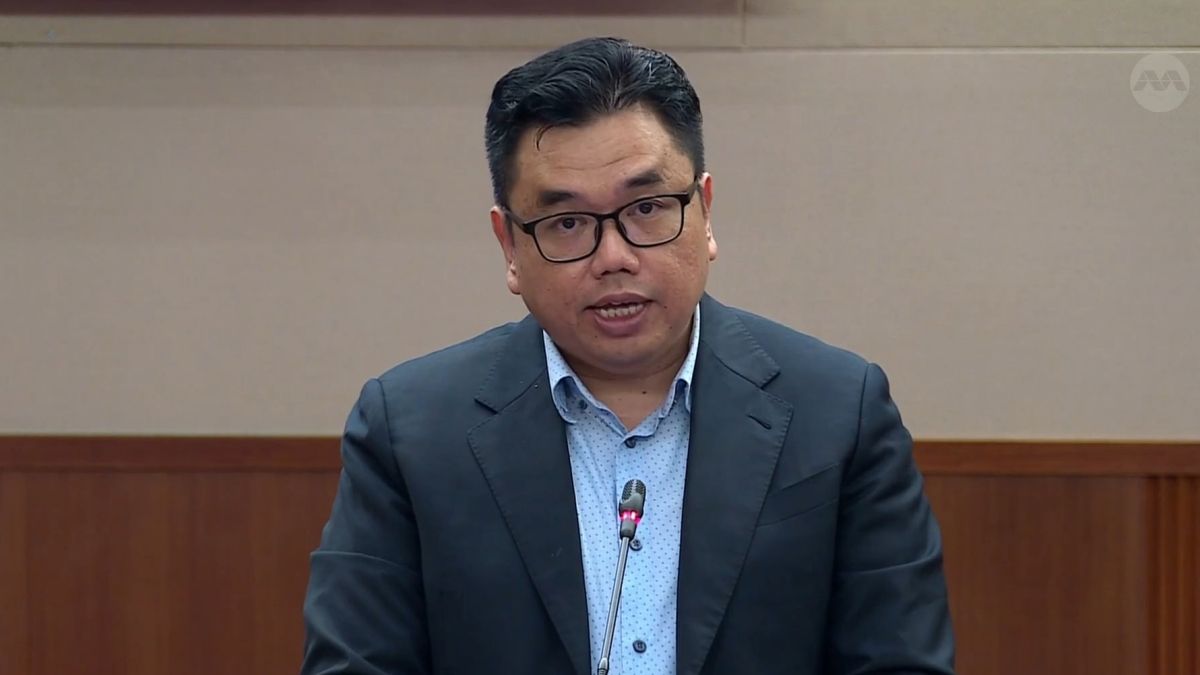
Speaking during the Ministry of Trade and Industry’s Committee of Supply debate on 2 March 2026, NCMP Low from the Workers' Party argued that existing laws are inadequate for today’s marketplace.
“Today, the ordinary Singaporean faces sophisticated commercial machinery engineered to extract compliance and revenue through confusion, inertia, and sometimes even fear.”
He said the Consumer Protection (Fair Trading) Act was “not designed for this world” and outlined two major concerns: deceptive commercial practices and face-to-face predatory behaviour targeting seniors.
Low cited enforcement actions by the Competition and Consumer Commission of Singapore (CCCS) against several firms.
In August 2024, CCCS acted against Sterra, a water filter brand, for falsely claiming that Singapore’s tap water was unsafe and misrepresenting product origins.
In December 2025, action was taken against Prism+ for using fake countdown timers on its website. Courts was also cited for adding unsolicited products to customers’ online shopping carts before CCCS intervention.
Low said such cases were only “the headline cases”, with quieter tactics extracting money daily from consumers.
These included fixed-term contracts advertised at promotional rates that apply only to initial months, trials that convert into paid subscriptions without active consent, and bundled third-party services that are difficult to cancel.
He noted that CCCS and the Consumers Association of Singapore receive between 40 and 50 complaints annually on such practices, calling this “just the tip of the iceberg”.
Proposals for stronger enforcement
Low proposed four measures.
First, any advertised price for fixed-term subscriptions should reflect the average cost across the entire contract period. Promotional rates applying to part of the term should not be used as headline figures.
Second, explicit and active consent should be required before free trials convert into paid subscriptions. “Silence is not consent,” he said.
Third, he called for contractual symmetry, stating: “If it’s one click to sign up, it should be one click to cancel.”
Fourth, he proposed granting CCCS direct administrative powers similar to the United Kingdom’s Competition and Markets Authority, including the ability to levy fines of up to 10 per cent of global annual revenue without court proceedings.
“Voluntary compliance agreements after the fact are not deterrence,” he said. “We need to give the CCCS stronger teeth to tackle their bad behaviour.”
Surge in complaints involving seniors
Low also highlighted what he described as more serious physical predatory practices.
A February 2026 report recorded a 76 per cent surge in beauty industry complaints in 2025, with consumers losing more than S$2.1 million.
He recounted a case in which an elderly man who went for an S$8 haircut was shown images purportedly of a haemorrhaging scalp. No scanning device was used, yet his PIN was entered into a payment machine while the amount was concealed. He left having paid nearly S$1,000.
In another beauty chain, 53 complaints totalled more than S$980,000, with one consumer allegedly charged at least S$370,000. More than 40 per cent of complainants were aged 60 and above.
Low argued that such cases exploited fear and vulnerability in a manner similar to scams.
“When a business confines a vulnerable senior in a room, manufactures a medical scare and then extracts their life savings through coercion or psychological tactics, the law must have a name for that and consequences to match,” he said.
He urged the Ministry of Trade and Industry to work with the Ministry of Home Affairs and the Attorney-General’s Chambers to examine criminalising severe predatory sales tactics directed at vulnerable individuals.
Government response and review panel
In response, Low Yen Ling said the Government agreed on the need for robust deterrence and enforcement against unfair trade practices.
She noted that CCCS has stepped up enforcement efforts, secured undertakings from businesses to cease unfair practices, and sought court injunctions against egregious firms where necessary. Such actions, however, require careful investigation and due legal process.
She said the independent Consumer Protection Review Panel will address key consumer concerns, including pressure sales tactics and emerging digital harms such as undisclosed advertisements.
Ms Low assured Parliament that authorities are closely monitoring the issue.
“We stand prepared to take a whole-of-government view to enhance our consumer protection regime to do two things. Number one, to safeguard the emerging risk and also to ensure that the enforcement agencies are given the necessary capacity and teeth to enforce,” she said.
Responding directly to queries on criminalising high-pressure tactics, she added that feedback from focus group discussions has covered similar concerns, and these will be examined as part of the panel’s review.
The panel is expected to submit its findings later in 2026, after which the Government will conduct a thorough assessment of the recommendations.