MHA weighs specific vehicular homicide offence but rules out death penalty for dangerous drivers
Coordinating Minister for National Security and Minister for Home Affairs K Shanmugam says MHA is actively considering a new vehicular homicide offence for dangerous driving deaths, but confirms it will not carry the death penalty.

- MHA is actively considering legislating a new dangerous driving offence where death or grievous hurt results from intentionally life-endangering conduct.
- Shanmugam says existing Penal Code and Road Traffic Act provisions already cover fatal road behaviour across a spectrum of culpability.
- New offence would not carry the death penalty; two culpable homicide charges from October 2025 fatal accidents remain before the courts.

The Ministry of Home Affairs (MHA) is actively considering the introduction of a new criminal offence targeting drivers who deliberately endanger lives on public roads and cause death or grievous hurt, Coordinating Minister for National Security and Minister for Home Affairs K Shanmugam disclosed on Monday (2 March).
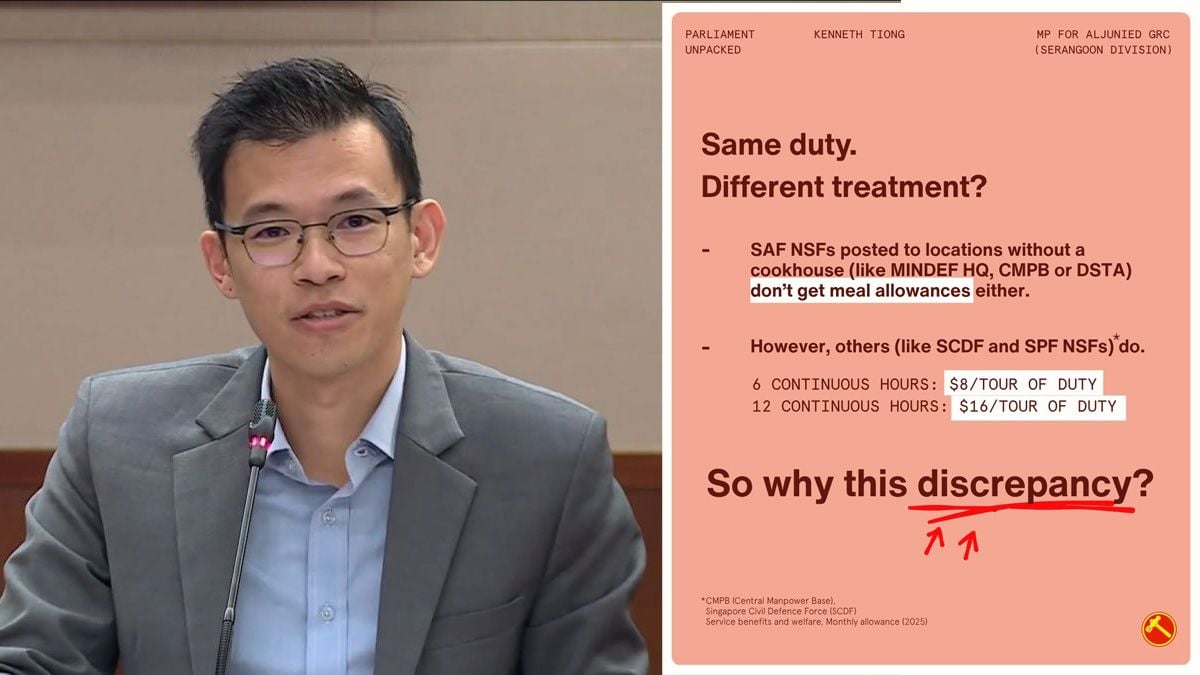
The Minister's written reply came in response to a question filed by Workers' Party MP for Aljunied GRC Mr Kenneth Tiong Boon Kiat, who had asked whether existing laws were adequate to punish egregious road behaviour resulting in death, and whether the Government would consider introducing a specific vehicular homicide offence carrying penalties on par with culpable homicide.
Mr Shanmugam opened his reply by setting out the existing legal architecture, noting that the Penal Code already provides for both murder and culpable homicide charges where a death is caused through the use of a vehicle.
These provisions operate alongside driving offences under the Road Traffic Act, he said, with the applicable charge determined principally by the offender's state of mind at the time of the act.
Under the framework the Minister outlined, an offender who intended to kill using a vehicle may be charged for murder under Section 300(a) of the Penal Code, which carries the mandatory death penalty.
Where the offender knew that his driving "was so imminently dangerous that it must in all probability cause death or bodily injury that is likely to cause death," he may be liable for murder under Section 300(d), which carries the discretionary death penalty.
Where neither threshold is met but the offender knew that his driving was likely to cause death, a charge of culpable homicide not amounting to murder under Section 304(b) of the Penal Code may apply.
This offence is punishable with imprisonment of up to 15 years, a fine, caning, or any combination of such punishments.
Mr Shanmugam noted that in October 2025, culpable homicide charges were brought in connection with two separate fatal traffic accidents, and that both cases remain before the courts.
The Minister acknowledged that the majority of drivers who cause death on the roads are prosecuted under the Road Traffic Act rather than the Penal Code, as most such cases do not involve the state of mind required to sustain a murder or culpable homicide charge.
Addressing Mr Tiong's question on the proportionality of current penalties, Mr Shanmugam raised what he described as an interpretive concern about the MP's proposal, noting that it was not clear whether Mr Tiong was suggesting all fatal road cases be prosecuted as murder or culpable homicide.
The Minister cautioned that such a change "will be a substantial change in the law, which could lead to people being charged for murder (and face the death penalty) or culpable homicide, even if they did not intend to cause death, and did not know that death would likely be caused."
Notwithstanding that caution, Mr Shanmugam moved to offer what he described as an assurance to Members of Parliament.
MHA has been progressively increasing penalties and tightening rules relating to traffic accidents, he said, and the Ministry is "actively considering the possibility of legislating some additional offences" covering a defined set of circumstances.
Under the proposed framework being considered, the new offence would apply where: the offender drove in a manner that endangered another person's life or personal safety; did so with the purpose of endangering another person's life or personal safety; and caused death or grievous hurt as a result.
Mr Shanmugam was explicit, however, that offenders convicted under any such new provision "will not face the death penalty."
The Minister did not provide a timeline for when the proposed legislative changes might be tabled, nor did he specify whether the new offence under consideration would be introduced via amendments to the Road Traffic Act or the Penal Code.
Mr Tiong's question reflects a broader public conversation in Singapore about whether the criminal law keeps pace with the most serious instances of dangerous driving.
High-profile fatal accidents in recent years — including cases involving alleged drink-driving, racing, and deliberate aggression on the road — have prompted calls from advocacy groups and members of the public for a dedicated vehicular homicide framework, similar to laws enacted in jurisdictions such as the United Kingdom and Australia.