Chee Hong Tat declines timeline on lowering singles’ BTO age amid supply concerns
National Development Minister Chee Hong Tat declined to give a timeline for lowering the eligibility age for singles to buy BTO flats, stressing supply constraints. Aljunied GRC MP Pritam Singh proposed easing income ceilings with safeguards and urged greater rental transparency for HDB shops.
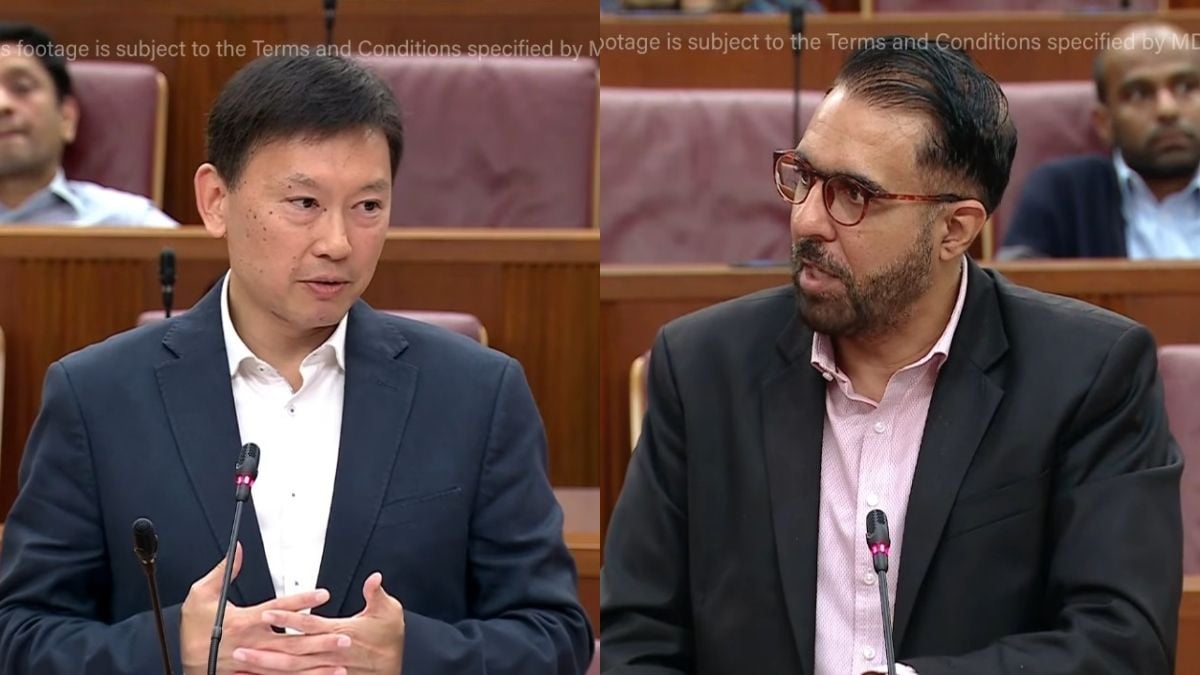
- Minister Chee Hong Tat declined to set a timeline for lowering singles’ BTO age, citing supply constraints.
- WP MP Pritam Singh proposed conditional access to BTO flats for couples above income ceilings.
- Government to launch 19,600 BTO flats in 2026 and raise two-room Flexi supply by 50%.

On 4 March 2026, National Development Minister Chee Hong Tat declined to provide a timeline for lowering the eligibility age for singles to purchase Build-To-Order flats, citing the need to ensure sufficient housing supply before policy changes are made.
The issue arose during the Committee of Supply debate on the Ministry of National Development, where Aljunied GRC MP Pritam Singh called for a review of housing policies amid growing job uncertainty among younger and middle-aged Singaporeans.
Singh urged the Government to consider whether first-time couples who exceed the income ceiling could be allowed to purchase BTO flats with additional conditions, such as longer minimum occupation periods or subsidy clawbacks.
Pritam Singh urges review of HDB policies amid job uncertainty for Singaporeans
He highlighted that the current income ceiling is set at S$14,000 for couples applying for BTO flats and S$16,000 for executive condominiums.
“Members of the House would have come across many young Singaporean couples looking forward to starting a family and buying their first HDB flat, but for one reason or another unable to do so,” he said.
Singh pointed to job insecurity as a growing concern, noting that younger and middle-aged workers face an increasingly unpredictable employment landscape due to technological change and job redesign.
“A couple’s combined income may be on the higher end or even surpass the income ceiling threshold today. But that may not be so tomorrow,” he said, citing risks such as redundancy or caregiving responsibilities.
He stressed that his proposal was not to remove the ceiling “carte blanche”, but to create “another option” with encumbrances for a limited category of first-time buyers.
These conditions could include restricting the flat to a first matrimonial home, imposing an age cap of 35 and below for at least one spouse, extending the minimum occupation period, or introducing an additional subsidy clawback mechanism.
Singh also asked how many appeals had been received from applicants who exceeded the income ceiling from 2020 to 2025.
Minister: supply must come first
In response, Chee said the income ceiling currently covers around eight in 10 households and remains necessary to prioritise highly subsidised flats for those earning below the threshold.
“With the New Flat Classification framework, the income ceiling is still necessary to ensure that highly subsidised BTO flats are prioritised for those who are earning below the income ceiling,” he said.
He acknowledged that Singh was not proposing a blanket removal of the ceiling but added that such changes would require careful study of trade-offs.
“If you allow this group to come in, they will then apply for the same stock, the same supply of BTO flats,” Chee said.
This would increase competition for flats among existing eligible buyers.
Chee added that he did not have data on appeals at hand and invited Singh to file a parliamentary question for detailed figures.
Lowering eligibility age for singles
Members also sought updates on plans to lower the eligibility age for singles to purchase BTO flats.
Singh later pressed the minister on when the Ministry would confirm any revised age criteria, noting that singles face a limited window due to age restrictions. He also asked for the current median application rate for singles.
Chee said he could not provide a timeline, emphasising that any move to lower the age must be timed carefully.
“I can’t give a timing on when we can review this because it really depends on when we feel confident about the supply being adequate,” he said.
“If I lower the age before supply is adequate, we may then end up with more people entering the market to apply, and then demand goes up,” he added, warning that this could affect existing applicants, including singles aged 35 and above.
Chee noted that the application rate for two-room Flexi flats, typically sought by singles and seniors, is higher than for families.
To address demand, the Government plans to increase the supply of two-room Flexi flats by about 50% over the next three years.
He added that the Ministry is also reviewing whether certain groups of singles could purchase larger flats with family members, subject to adequate supply.
Building more and building faster
Chee reiterated that expanding supply remains the Ministry’s top priority.
“This year, HDB will launch around 19,600 BTO flats,” he said, adding that more than 4,000 will be shorter waiting time flats with waiting periods of less than three years.
He said building more homes and doing so more quickly would enable the Government to consider broader policy changes for singles and other buyer groups.
Facade repairs and water seepage
Singh also raised concerns about water seepage from ageing block facades, which he said appears to be rising anecdotally.
He noted that while the facade repairs co-payment scheme, introduced in 2004, funds facade-related repairs and reimburses town councils, water seepage into residential units originating from facades is not covered.
Singh asked whether HDB could expand the scheme to include such cases, particularly as the housing stock ages.
Publishing HDB shop rental data
Turning to commercial rents, Singh called for greater transparency in HDB shop and stall rental data.
He referred to HDB’s 10 January announcement requiring successful bidders of HDB shops to commit to intended trade for two tenancy terms, totalling six years, to encourage prudent bidding.
Singh suggested that all HDB commercial rental data, including sublet rents, should be made reportable and published on an accessible central portal.
“This would give market players and new entrants, particularly small businesses, an easy reference point,” he said.
Chee noted that HDB has committed to collecting data on stall rents charged by operators before determining how it can be made publicly available.