Singapore to expand family counselling services to 12,000 cases by 2030
The Ministry of Social and Family Development will significantly expand its Strengthening Families Programme over the next four years. Minister Masagos Zulkifli announced in Parliament that capacity will double to support 12,000 cases annually by 2030 to meet rising demand.

- The Ministry of Social and Family Development plans to double family counselling capacity to 12,000 cases by 2030.
- Annual case numbers have already increased from 3,100 in 2022 to 5,700 in 2025.
- Mandatory co-parenting programmes for divorcing couples with minors aim to reduce future conflicts over child access.

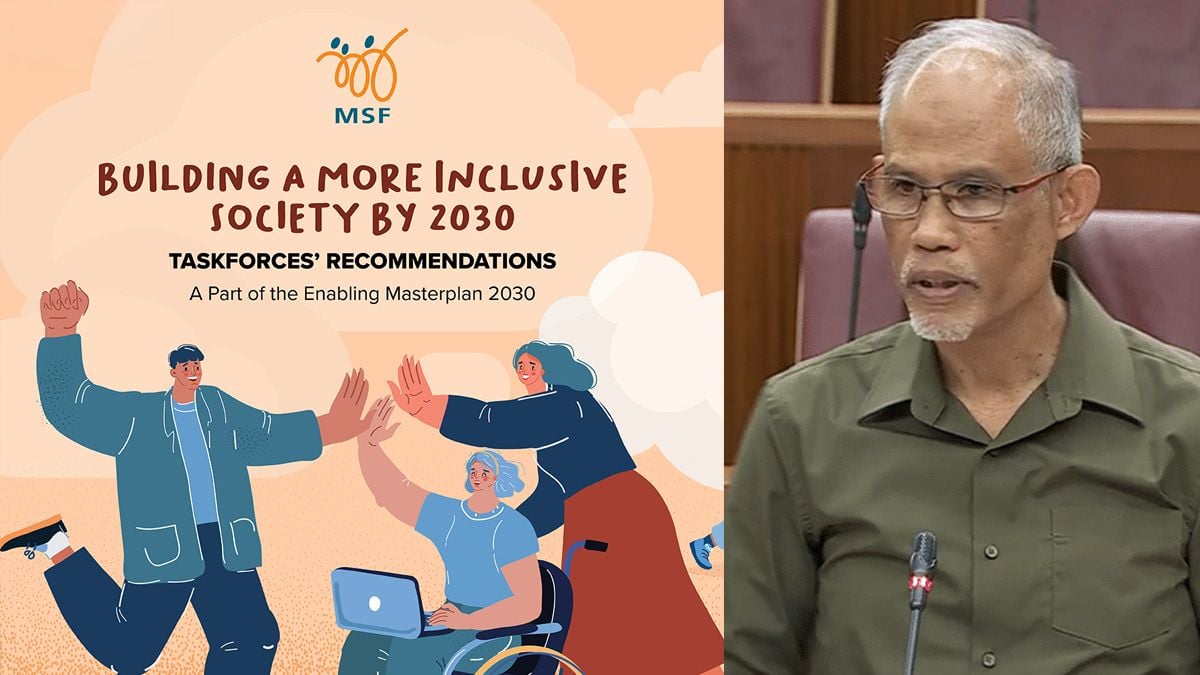
The Ministry of Social and Family Development (MSF) will expand counselling services under the Strengthening Families Programme (FAM) to support up to 12,000 cases by 2030. Minister for Social and Family Development Masagos Zulkifli announced the target during a parliamentary session on 05 March 2026.
According to Minister Masagos, the number of family counselling cases has risen significantly over recent years. Statistics provided by the ministry indicate that cases grew from 3,100 in 2022 to 5,700 in 2025.
The expansion aims to ensure continued accessibility for families.
The ministry stated that it expects this growth trend to persist.
To manage the influx, MSF intends to ensure that professional services remain available to those in need.
This includes a mix of physical and digital interventions.
Established in 2021, the FAM initiative supports households facing challenges regarding marriage, parenting, and general relationships. There are currently eleven FAM centres operating across the country.
These centres provide psycho-emotional support to help families build resilience against various stressors.
The centres are designed to equip individuals with the skills necessary to resolve internal conflicts. Families seeking assistance can currently book face-to-face sessions or opt for online counselling via the established FAM network.
Preliminary findings from the ministry suggest that these interventions are yielding positive results. MSF noted that participants have reported improvements in mental well-being and marital adjustment. There have also been recorded improvements in the psychosocial functioning of children involved.
Addressing the issue of marital dissolution, Minister Masagos highlighted a policy introduced in July 2024.
All couples with minor children are now required to complete a mandatory co-parenting programme at FAM centres before filing for divorce.
This requirement is intended to mitigate potential disagreements regarding child access and custody in the future. By providing these resources early, the ministry hopes to foster a more stable environment for children during family transitions.
During the debate on the spending plans for the ministry for the coming year, Minister Masagos emphasised the importance of accessibility. He noted that MSF is working to ramp up total capacity across all eleven centres.
In addition to professional counselling, the ministry will continue to provide self-help resources online. This hybrid approach is intended to offer immediate support to families who may not require intensive face-to-face intervention.
The planned expansion represents a significant commitment to social infrastructure. By doubling the current capacity, the government aims to address the complexities of modern family life and the evolving pressures faced by citizens in a changing social landscape.