Portable funding for disability services risks cost escalation and inequitable access, says Masagos
Minister for Social and Family Development Masagos Zulkifli has warned that portable subsidies and free market competition for disability services may lead to cost escalation and unequal access for those with complex needs.
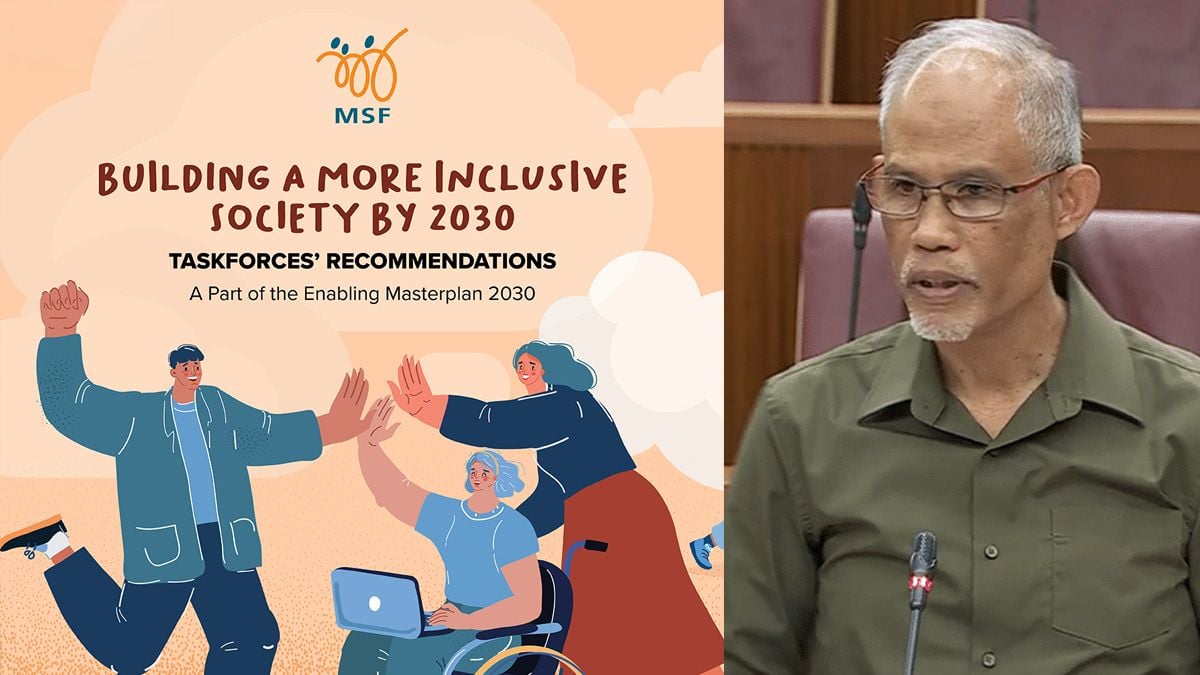
- Singapore's disability service subsidies are enrolment-based and follow the beneficiary if they switch between appointed providers.
- MSF argues a free-market portable funding model risks inequitable access for PwDs with complex or specialised needs.
- No timeline or indication given on whether an alternative funding architecture is under active review.

Singapore's disability services funding model, which channels government support through appointed providers rather than directly empowering beneficiaries with portable grants, does not prevent families from switching between providers, Minister for Social and Family Development Masagos Zulkifli clarified in Parliament on 4 March 2026.
The assurance came in a written reply to Workers' Party MP for Aljunied GRC Mr Kenneth Tiong Boon Kiat, who had questioned whether the current architecture limits families' ability to access services across multiple providers and whether the Ministry had explored portable funding as an alternative.
Mr Tiong had specifically asked if MSF had considered portable funding that empowers families to choose their service providers, and how such competition might affect service quality.
Mr Masagos addressed both limbs of the question, outlining the structural logic underpinning the present model while cautioning that a shift towards market-driven portability could produce outcomes contrary to the interests of those with the most complex needs.
The Ministry's current approach rests on two pillars. The first is the appointment of disability service providers — including operators of Day Activity Centres and Adult Disability Homes — selected based on their capabilities, track record in delivering specialised care, and ability to keep service costs reasonable.
Appointed providers are bound by service model requirements and standards, and are subject to regular audits. MSF works alongside SG Enable and the National Council of Social Service to build sector capabilities, enhance the range of services, and encourage fundraising and volunteer participation from the broader community.
The second pillar is an enrolment-based subsidy system. Mr Masagos confirmed that means-tested subsidies are tied to the person with disability rather than to the specific organisation they are enrolled with.
"This enrolment-based subsidies will follow the beneficiary, should they enrol with a different appointed service provider," the Minister stated.
Families navigating the system can additionally seek support from SG Enable, which provides referral assistance to government-supported services suited to the individual's needs, removing the burden of independently assessing the market.
On the question of portable funding and open competition, Mr Masagos was direct in his reservations.
"Providing disability services through portable subsidies and free market competition among service providers alone may lead to suboptimal provision of services and cost escalation," he said, citing a fundamental asymmetry of knowledge: not all persons with disabilities and their families possess the professional expertise or the capacity to independently evaluate the specialised interventions on offer in an open market.
The Minister also raised a structural concern about how competitive market dynamics would interact with the needs of the most vulnerable.
He warned that service providers operating under a free-market model would find it more commercially efficient to serve larger segments of persons with disabilities with lower or common support needs, given the specialised capabilities and higher costs involved in serving those with more complex or specialised requirements.
This concentration effect, he suggested, could produce "inequitable access to disability services especially for PwDs with more complex or specialised needs."
The written reply did not indicate whether MSF is actively reviewing or piloting any hybrid funding models, nor did it respond to the broader competitive-quality dimension of Mr Tiong's question — specifically, whether regulated competition among appointed providers might improve service outcomes rather than distort them.
The Minister did not provide any data on current utilisation rates across appointed providers, waitlist figures, or the proportion of beneficiaries who have exercised their right to switch providers under the existing enrolment-based framework.
Mr Tiong's question reflects a broader policy conversation in Singapore about how social service funding structures can balance state efficiency with individual agency.