Singapore regularly reviews laws and processes to combat unethical adoption and trafficking: Goh Pei Ming
Singapore has multiple layers of checks in its adoption processes to detect potential child trafficking, Minister of State Goh Pei Ming told Parliament. The assurance comes amid regional investigations into an alleged Indonesian baby trafficking syndicate linked to overseas adoptions.

- Singapore has multiple safeguards in adoption processes to detect potential child trafficking.
- Concerns were raised after Indonesian authorities investigated a baby trafficking ring linked to overseas adoptions.
- Authorities are reviewing laws and cooperating internationally while supporting ethical adoption and fostering arrangements.

Singapore has multiple layers of safeguards within its adoption processes to detect potential child trafficking, Minister of State for Social and Family Development Goh Pei Ming told Parliament on 5 March 2026.
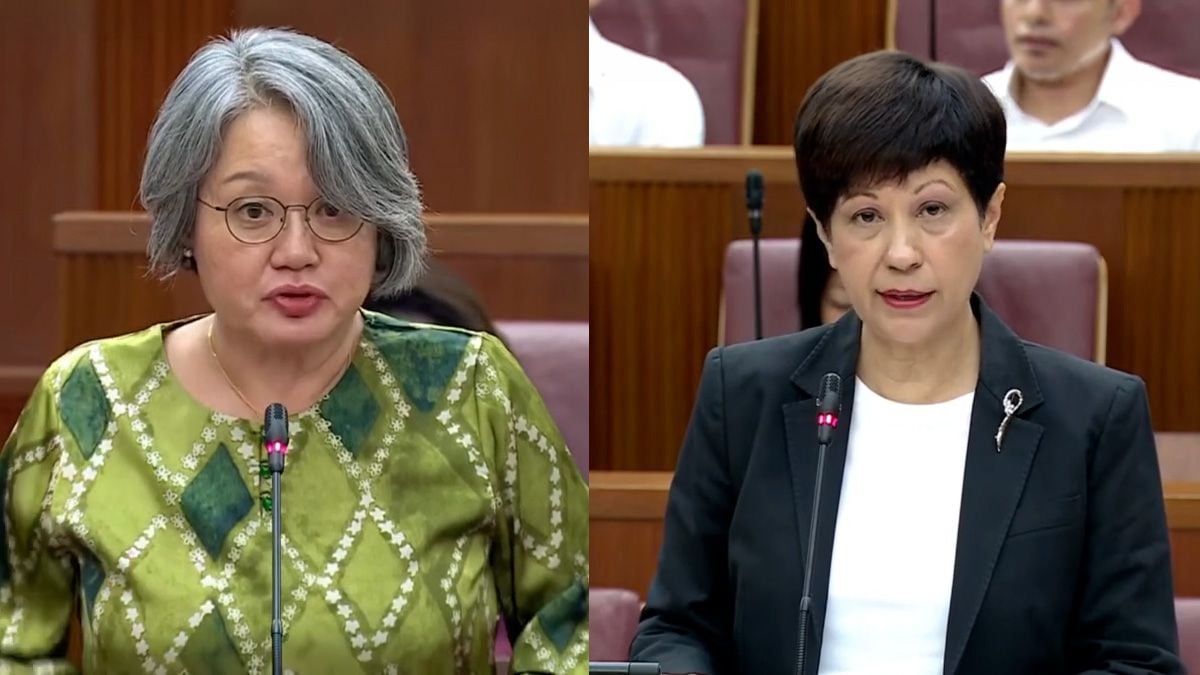
The assurance came during the Committee of Supply debate for the Ministry of Social and Family Development, after questions from Workers’ Party Member of Parliament Sylvia Lim on overseas adoption arrangements and regional efforts to combat trafficking.
Parliamentary concerns over overseas adoption
Lim raised concerns following reports that Indonesian authorities were investigating an alleged baby trafficking syndicate supplying infants to Singapore for adoption.
“Adoptions should be encouraged not just for the wholehearted act of love that it embodies, but also to mitigate our dismal total fertility rate,” Lim said in Parliament.
She added that news of the Indonesian investigation was troubling and raised questions about safeguards surrounding cross-border adoptions.
She noted that the government had previously highlighted the ASEAN Regional Plan of Action on the Elimination of Violence Against Children from 2016 to 2025 as a key framework guiding regional efforts.
Singapore’s adoption safeguards
Responding to the concerns, Goh said Singapore maintains rigorous procedures to verify adoption cases and prevent unethical practices.
“Today there are multiple layers of checks in our adoption processes to detect child trafficking,” Goh told Parliament.
These safeguards include verifying a child’s identity documents and travel records, as well as checking with birth parents to ensure consent was given freely and without improper financial incentives.
Domestic laws also criminalise child trafficking under the Adoption of Children Act, which governs adoption procedures in Singapore.
Goh added that Singapore authorities conduct regular reviews to ensure policies remain effective.
“We undertake regular reviews to ensure that our processes, our laws and our international efforts are effective in combating unethical adoption practices and child trafficking,” he said.
Regional challenges remain
Despite domestic safeguards, Goh acknowledged that cross-border adoption arrangements can present ongoing challenges.
“While Singapore has multiple layers of checks in our adoption processes to detect child trafficking, challenges remain in transnational arrangements,” he said.
Singapore has therefore adopted regional frameworks to complement its domestic efforts to protect children and prevent trafficking.
The government also works with foreign authorities when investigations involve adoption cases connected to multiple countries.
Indonesian baby trafficking investigation
Concerns over overseas adoption intensified after Indonesian authorities uncovered a large-scale baby trafficking syndicate in 2025.
Investigations by West Java police identified at least 25 babies allegedly trafficked since 2023, with 15 reportedly sent to Singapore via Jakarta under the guise of adoption.
Authorities named 22 suspects initially, with investigations later expanding to 26 individuals allegedly involved in the trafficking network.
The infants were reportedly sold for about S$20,000 each, covering delivery costs, infant care and profits for members of the syndicate.
Indonesian investigators said the group targeted vulnerable expectant parents through social media, offering up to 20 million rupiah, or roughly S$1,500, in exchange for surrendering their babies.
Prospective adoptive parents were shown the infants through video calls before signing agreements detailing the costs and terms.
Singapore’s involvement in investigations
In January 2026, Singapore authorities confirmed they had earlier received information linked to suspicious adoption arrangements.
The MSF said it had been alerted in April 2024 to an offer involving Indonesian babies being supplied for adoption in Singapore.
A ministry spokesperson said a review of adoption cases matching the descriptions had been conducted.
“However, the review did not uncover discrepancies or suspicions to warrant further investigation or cancellation of any applications,” the spokesperson said.
Following more detailed media reports and information from Indonesian investigators in 2025, Singapore authorities were able to identify adoption cases linked to the ongoing probe.
Indonesian police have alleged that three Singapore-based adoption agents may have been involved in the trafficking network.
In a joint statement issued on 9 January 2026, the Ministry of Home Affairs and the MSF said Singapore was assisting Indonesian authorities with investigations.
Foster care and family reunification
Beyond adoption, Goh said fostering arrangements also remain an important part of Singapore’s child welfare system.
He noted that some children may not have access to stable homes with their biological parents and may require adoption or foster care support.
“In fostering arrangements, we facilitate regular contact or access between children and their biological parents to maintain links wherever safe and appropriate,” Goh said.
He added that there have been cases where foster parents proactively helped children reunite with their biological families.
The ministry remains open to exploring ways to support such arrangements, including possible co-parenting approaches.
“Every case is unique,” Goh said, noting that policies aim to balance the welfare of the child with the preservation of family ties where possible.