ByteDance deploying 36,000 Nvidia B200 chips in Malaysia for US$2.5 billion AI push, WSJ reports
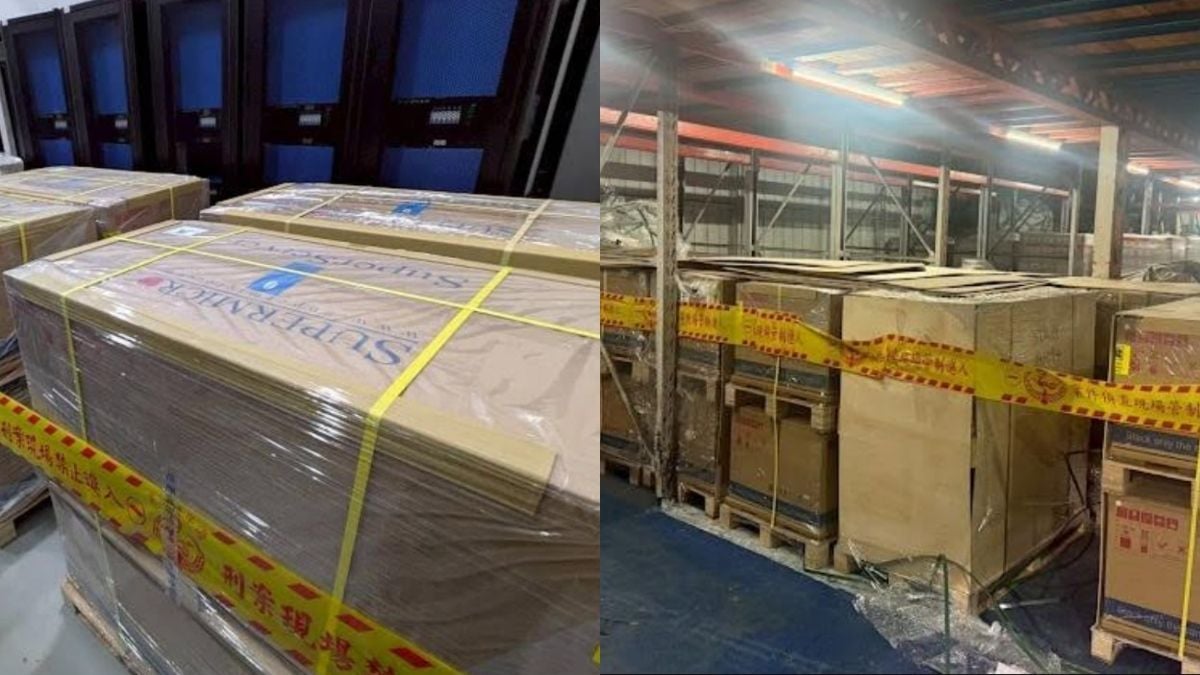
ByteDance is reportedly coordinating the deployment of 500 Nvidia Blackwell systems in Malaysia to bolster its international artificial intelligence research. The move involving 36,000 B200 chips highlights the company's strategy to secure high-end computing power amid evolving global export regulations.

- ByteDance plans to deploy 500 Nvidia Blackwell systems in Malaysia totaling 36,000 B200 chips.
- The hardware acquisition is valued at over US$2.5 billion and involves cloud provider Aolani Cloud.
- The strategy allows ByteDance to access high-end GPUs for AI research while complying with international trade controls.

ByteDance is currently assembling significant computing power using Nvidia Blackwell systems at locations outside China to support its global artificial intelligence initiatives.
According to reports from the Wall Street Journal, the company is collaborating with Aolani Cloud to deploy approximately 500 systems.
These systems are expected to house roughly 36,000 B200 chips in Malaysian data centres. Aolani Cloud, a Southeast Asian firm, acquires these servers from Aivres, a company specialising in the assembly of server hardware using Nvidia components.
The total cost for the hardware involved in this deployment could exceed US$2.5 billion.
ByteDance intends to utilise this substantial computing capacity for artificial intelligence research and development conducted outside Chinese territory to meet increasing global demand.
A spokesman for Aolani Cloud noted that the company is currently operating with hardware valued at approximately US$100 million.
This new venture represents a significant scaling of its infrastructure to accommodate the requirements of large-scale technology clients.
Reports from Reuters indicate that United States authorities are willing to allow ByteDance to purchase Nvidia H200 chips. However, the chipmaker has not yet agreed to specific proposed conditions regarding the use of these units.
Chinese technology firms frequently train advanced artificial intelligence models in Southeast Asian data centres to gain access to high-end Nvidia graphics processing units. This practice persists as United States export controls restrict the direct sale of such technology.
By leasing computing capacity in overseas markets, these companies can legally navigate direct sales restrictions. Model inference can subsequently be executed on locally manufactured chips within China, including those produced by Huawei Technologies.
ByteDance reportedly plans to secure further Nvidia hardware in international markets. This strategy reflects a broader global trend where demand for artificial intelligence hardware is driving a multi-trillion-dollar construction boom.
This boom encompasses power infrastructure, computing resources, and data centre facilities.
Nvidia is heavily investing in its own supply chain to meet this demand, committing billions to optical-component suppliers including Lumentum and Coherent.
Nvidia is also supporting cloud providers focused on artificial intelligence and initiatives referred to as AI factories, which can require investments of up to US$100 billion. National governments are further contributing to this global demand for high-end technology.
India has launched sovereign artificial intelligence missions valued at US$1 billion to build domestic infrastructure. These state-led projects have significantly increased the volume of orders for Nvidia technology across the South Asian region.
Political developments in the United States have added complexity to the export landscape.
President Donald Trump stated on 08 December 2025 that Washington would permit the export of H200 chips to China for civil applications.
Subsequent media reports indicated that Chinese internet conglomerates, including Alibaba, Tencent, and ByteDance, were seeking to purchase a combined total of 400,000 units following that announcement.
After President Trump formally approved limited H200 exports on 13 January 2026, the regulatory situation shifted. Chinese customs authorities informed Nvidia that the chips would not be permitted to enter the country at that time.
In late January 2026, authorities in Beijing adjusted their stance, suggesting Chinese companies could purchase H200 chips but should prioritise local hardware. United States officials report that no H200 chips have been sold yet.