Singapore trials road signs and markings for gantry-free ERP system
Singapore's Land Transport Authority is trialling road signs and markings for the new satellite-based Electronic Road Pricing system on Bayshore Drive, as legislation mandating on-board units in all vehicles takes effect ahead of a full switch on 1 January 2027.

- Singapore trials ERP 2 road markings on Bayshore Drive ahead of January 2027 launch
- Legislation mandates on-board units for all Singapore-registered vehicles from 2027
- Late installation will cost S$35 for motorcycles and S$70 for other vehicles

Singapore's Land Transport Authority (LTA) is testing road signs and markings intended to guide drivers under the new satellite-based Electronic Road Pricing (ERP) system, ahead of a nationwide rollout set for 1 January 2027.
Pictures accompanying an LTA Facebook post published on 16 March show blue circles — each containing a white letter "E" — painted in the middle of traffic lanes, alongside a section of road painted entirely in blue and accompanied by road signs.
The trial is being conducted on Bayshore Drive, near Bayshore MRT station and Temasek Secondary School in the East Coast area.
The temporary markings will remain in place for one month, during which selected participants have been asked to evaluate how effectively the signs and markings alert drivers to upcoming ERP charging locations in the absence of overhead gantries.
LTA confirmed that motorists will not be charged if they drive through the test site during the trial period. The authority added that the trial will be progressively expanded to more locations to gather broader feedback ahead of the ERP 2 launch.
OBUs now mandatory under new legislation
The on-board unit (OBU) requirement has been placed on a statutory footing following the passage of the Land Transport and Related Matters Bill, which Acting Transport Minister Jeffrey Siow presented for parliamentary debate on 3 February.
Siow said the OBU is mandatory because ERP 2 uses satellite technology, rather than physical gantries, to determine a vehicle's location for toll charging.
As of February, approximately 930,000 vehicles — representing 93 per cent of all vehicles registered in Singapore — had been fitted with an OBU. LTA said it remains on track to complete the installation exercise in 2026.
Vehicle owners who have not yet installed an OBU will receive a final reminder from LTA from 15 February 2026, and will be given three months to do so free of charge. After that window closes, installation will cost S$35 for motorcycles and S$70 for all other vehicles.
Unauthorised servicing or tampering with an OBU can result in fines of up to S$20,000, up to 12 months in jail, or both.
How ERP 2 differs from the current system
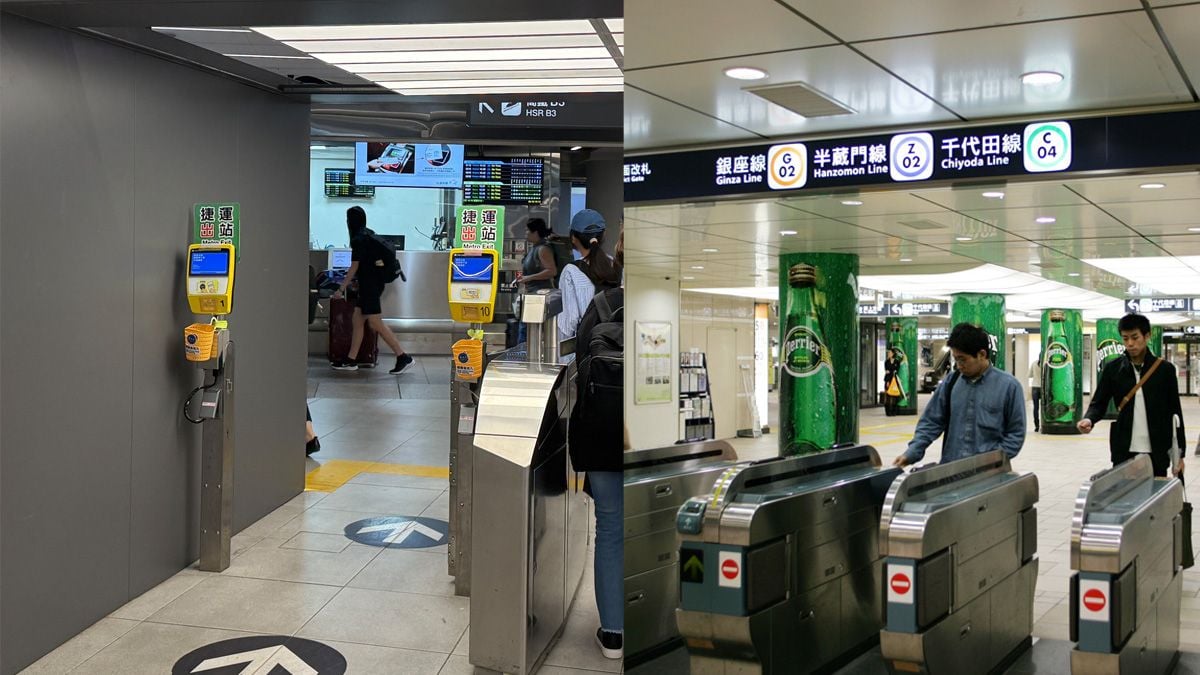
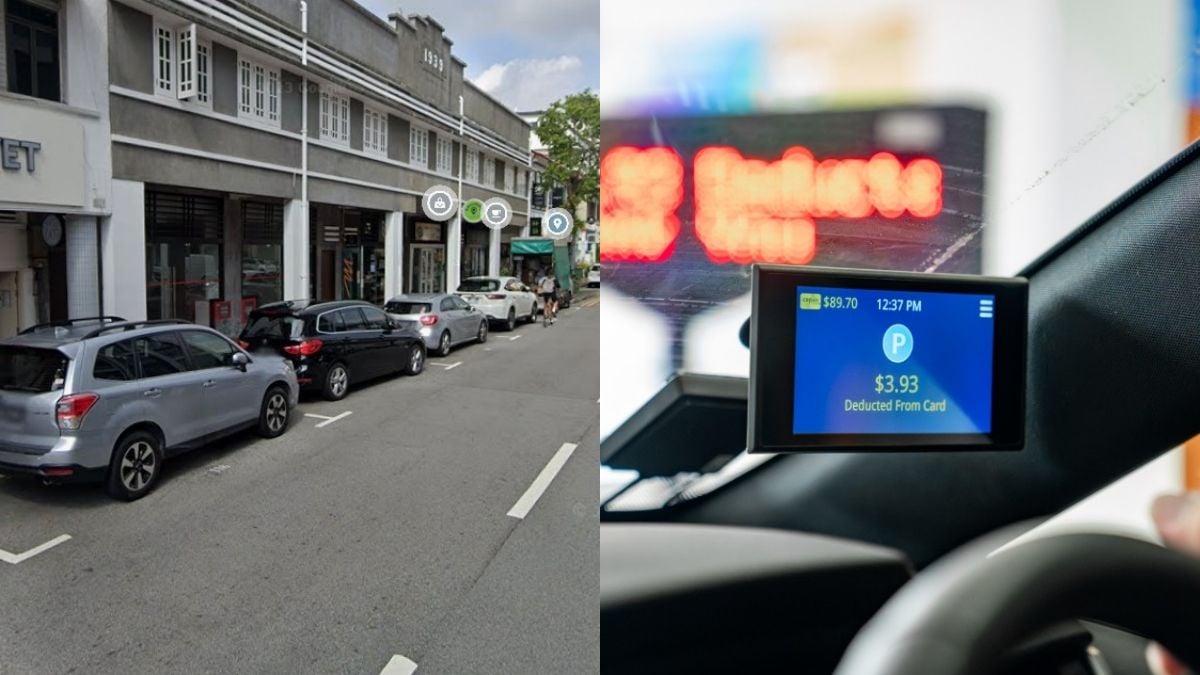
Singapore's existing ERP system relies on physical gantries equipped with readers that deduct charges from drivers' stored-value cards as they pass beneath. The system has been in operation since 1998.
Under ERP 2, gantries will be replaced entirely by satellite-based technology using Global Navigation Satellite System (GNSS). Charging locations will be communicated to drivers through road signs, road markings, and notifications from OBUs.
Motorists who choose not to install the OBU's accompanying touchscreen can instead use a compatible smartphone application to receive charge information and alerts.
Siow said the new system allows authorities to introduce new toll charging points without physical gantries, and to spread charges across multiple locations rather than concentrating them at a single point. "We can also spread out ERP charges in smaller amounts across several locations, as opposed to at one location. And this will be fairer at this point," he said.
He added that the Government would add new charging points only at persistent congestion hotspots and only when needed.
No distance-based charging in the immediate term
LTA has confirmed it has no immediate plans to introduce distance-based charging. Siow said the intent is to ensure the ERP 2 experience remains as similar as possible to the existing system during the transition.
"Distance-based charging is something that we will continue to study and explore after motorists have gotten more used to the new system and the situation is more stable," he said.
Missed payments decriminalised
Under the new legislation, non-payment of ERP charges will be treated as an administrative matter rather than a criminal traffic offence. Currently, unpaid charges can result in court prosecution if left unsettled.
Under the new framework, vehicle owners who do not pay within a five-day grace period following LTA's SMS notification will be barred from selected LTA services — including road tax renewal and vehicle ownership transfer — until the missed charge and a S$10 administrative fee are settled.
Exemptions and special cases
About 56,000 vehicles, representing approximately 5 per cent of the total vehicle population, are exempt from the OBU requirement. These include construction equipment such as tractors and vehicles under the Restricted Use Scheme, such as those used at airports and ports.
Classic and vintage vehicles — of which there are approximately 2,700 in Singapore — are also exempt, though owners may opt to install a free OBU if a workshop assesses it as technically feasible.
From 1 January 2027, classic and vintage vehicles without an OBU that travel on roads while ERP is in operation will pay a daily flat fee of S$3 for motorcycles and S$10 for all other vehicles.
Owners of foreign-registered vehicles may choose to install an OBU. Those who do not will pay a daily flat-rate ERP fee. Malaysian taxis, however, are required to install an OBU for tracking and enforcement purposes within Singapore.
Payment options and gantry removal
The OBU supports existing payment methods including Contactless e-Purse Application (CEPAS) cards such as the EZ-Link Motoring Card, NETS Flashpay and NETS Motoring Card. Cash cards are being phased out and will not be supported.
LTA indicated it will begin dismantling existing ERP gantries later in 2026, starting with those no longer in operation. Of the 95 gantries currently located across Singapore, 22 remain active. LTA said it will ensure motorists are not confused during the removal process.