Trump calls on allies to join effort to reopen Strait of Hormuz
US President Donald Trump has called on Japan, China, South Korea and European nations to assist in reopening the Strait of Hormuz, citing their heavy dependence on oil passing through the waterway, as the conflict with Iran enters its third week.

- Trump called on Japan, China, South Korea and Europe to help reopen the Iran-blocked Strait of Hormuz.
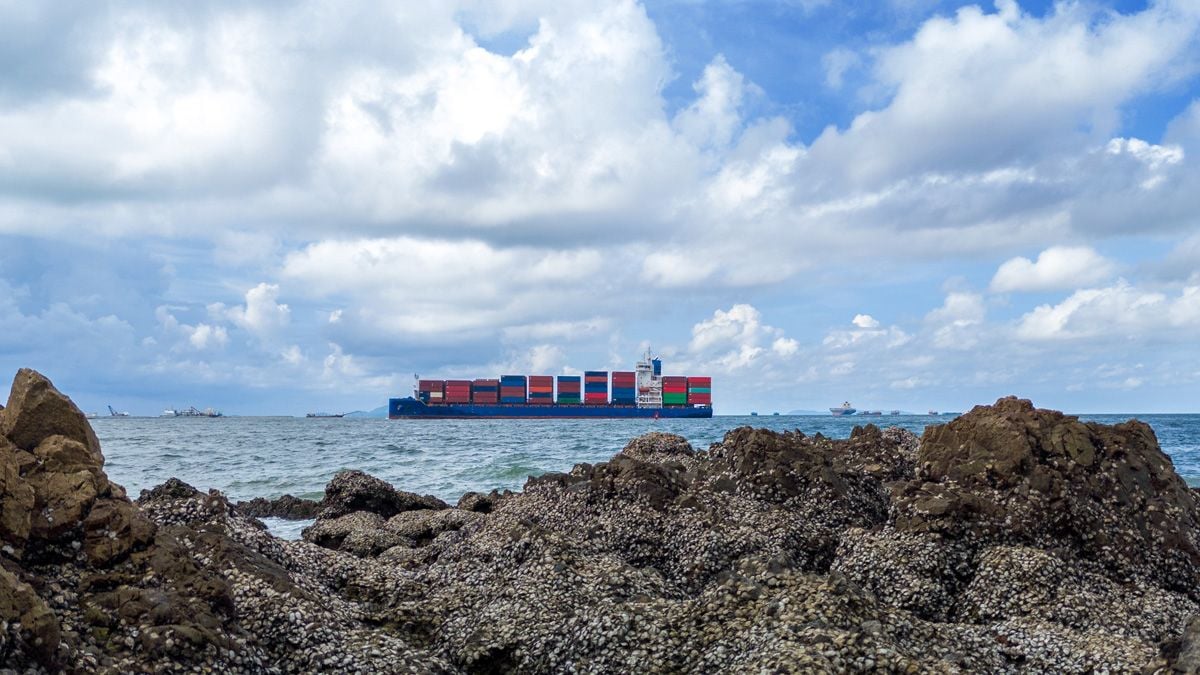
- Iran has effectively closed the strait, which carries roughly a fifth of global oil supply.
- South Korea struck a cautious tone, saying a warship deployment needs sufficient consultations with Washington.

US President Donald Trump on Monday called on South Korea, China, Japan and other countries to assist in reopening the Strait of Hormuz, a critical oil shipping route that Iran has effectively closed, as the conflict between the United States and Iran enters its third week.
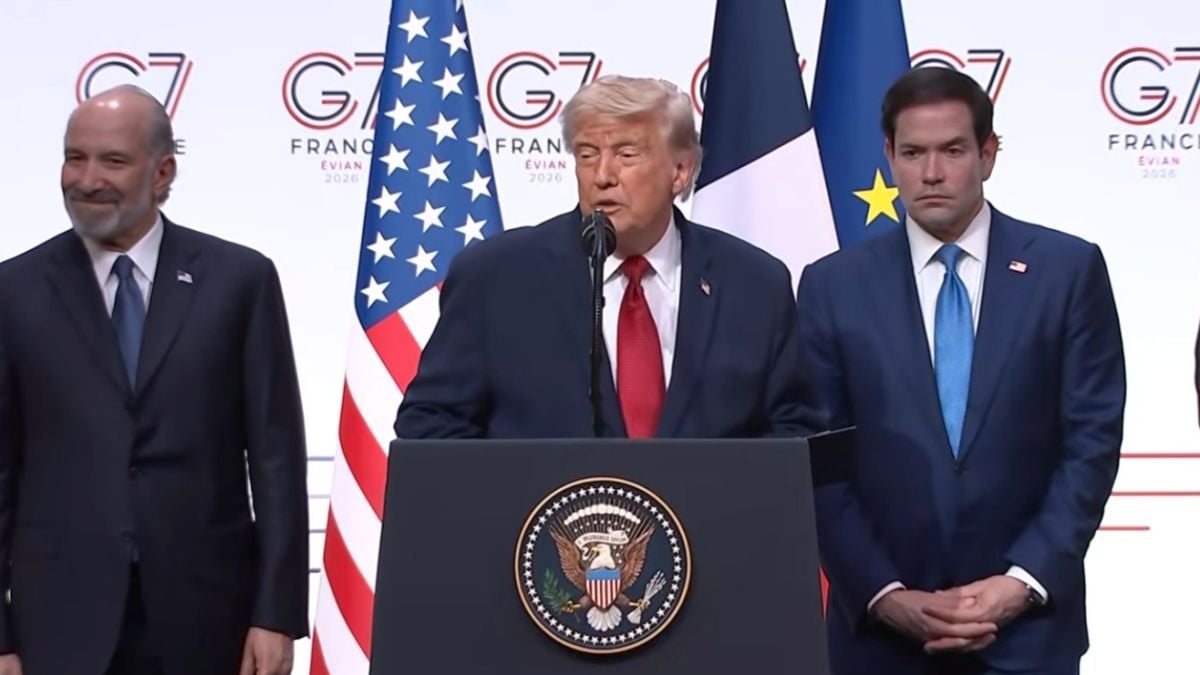
Trump made the remarks during a board meeting of the John F. Kennedy Center for the Performing Arts at the White House on 16 March 2026, attended by top government officials and wealthy business leaders.
The meeting was convened primarily to approve renovation plans for the Washington cultural landmark, but it served as a backdrop for Trump to escalate pressure on allies over the deepening maritime crisis.
The strait accounts for roughly a fifth of the world's oil supply. Trump argued that nations whose economies depend heavily on the waterway bore a responsibility to assist in keeping it open.
"We strongly encourage other nations whose economies depend on this strait far more than ours. We get less than 1 percent of our oil from the strait and some countries get much more," Trump said.
He cited specific figures to press his case.
"Japan gets 95 percent. China gets 90 percent. Many of the Europeans get quite a bit. South Korea gets 35 percent. So we want them to come and help us with the strait," he added.
Trump acknowledged that the United States did not require outside assistance to secure the waterway, but said he was testing allies' willingness to contribute.
"We don't need anybody. We are the strongest nation in the world. We have the strongest military by far in the world. We don't need them," he said during the Kennedy Center meeting.
"I am almost doing it in some cases not because we need it, but because I want to find out how they react."
Pressure on allies
Trump also used the occasion to underscore the scale of the US military presence protecting allied nations, framing the strait request as a test of reciprocity.
"We've protected them from horrible outside sources, and they weren't that enthusiastic, and the level of enthusiasm matters to me," he said, without naming specific countries.
"We have some countries where we have 45,000 soldiers, great soldiers, protecting them from harm's way, and we have done a great job," he added.
During a separate press availability at the White House later that day, Trump specified the countries he had in mind.
"You have to remember. We have 45,000 troops in Japan. We have 45,000 troops in South Korea. We have 45,000 ... 50,000 troops in Germany," he said. "We defend all these countries."
The figures Trump cited differ from official deployments. US Forces Korea maintains approximately 28,500 service members. The United States has around 55,000 troops in Japan and over 35,000 in Germany, according to Yonhap News Agency.
Trump also noted that the United States had historically never sought reimbursement for its role in maintaining freedom of navigation through the strait, while calling on beneficiary nations to now share the burden.
South Korea's cautious response
South Korea has so far struck a measured tone in response to the pressure. Seoul has said that the US request for the dispatch of a warship is an issue requiring sufficient consultations, and that it intends to handle the matter carefully.
South Korea currently has its Cheonghae naval unit deployed in the Gulf of Aden, where it has been conducting anti-piracy operations.
In 2020, Seoul temporarily expanded the Cheonghae unit's operational area to include the Strait of Hormuz following US pressure to contribute to protection of what Washington regards as global maritime commons in the Middle East.
Whether Seoul will again expand the unit's operational scope, or agree to deploy additional naval assets, remains unclear. The government has given no indication of a timeline for a decision.
Broader implications
The Strait of Hormuz, located between Iran and Oman, connects the Persian Gulf to the Gulf of Oman and is one of the most strategically significant chokepoints in global energy trade.
Iran's effective closure of the waterway has heightened concerns about disruption to oil supply chains and the potential impact on global energy prices.
Trump's public pressure campaign signals that the administration intends to frame allied participation in the strait operation as a litmus test of security partnerships, even as Washington insists it can manage the mission unilaterally.
"These people literally needed 90 percent, 95 percent of their energy or their oil comes out of the strait and they should be in here very happily helping us," Trump said.