Fuel duty cuts 'too blunt and regressive,' says Jeffrey Siow amid rising global energy prices
Singapore will not cut fuel duties despite rising prices, with Acting Transport Minister Jeffrey Siow warning the move would be regressive. Instead, targeted support measures will be accelerated for households, workers and businesses.
- Singapore rejects fuel duty cuts, citing regressive impact and need for market-based pricing.
- Households and workers will receive earlier and increased cash support amid rising costs.
- Businesses get enhanced tax rebates and grants to manage energy-related cost pressures.

Singapore will not reduce fuel or diesel duties despite rising global energy prices, with the government opting instead for targeted support measures aimed at households, workers and businesses most affected by cost pressures.
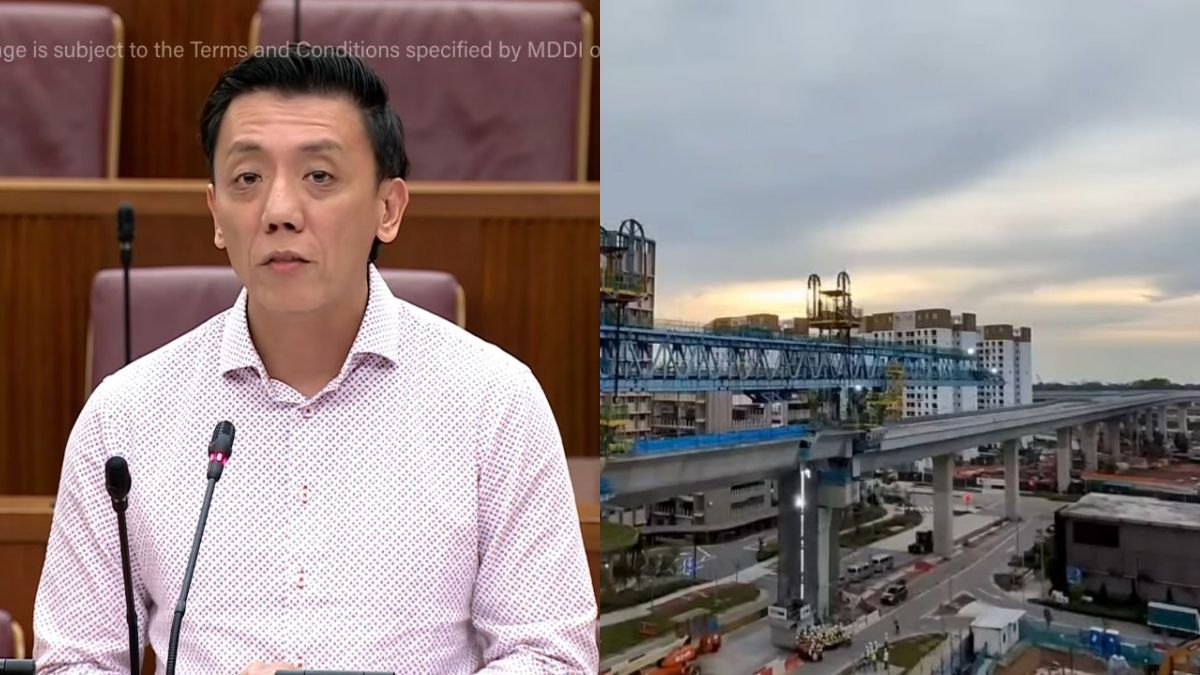
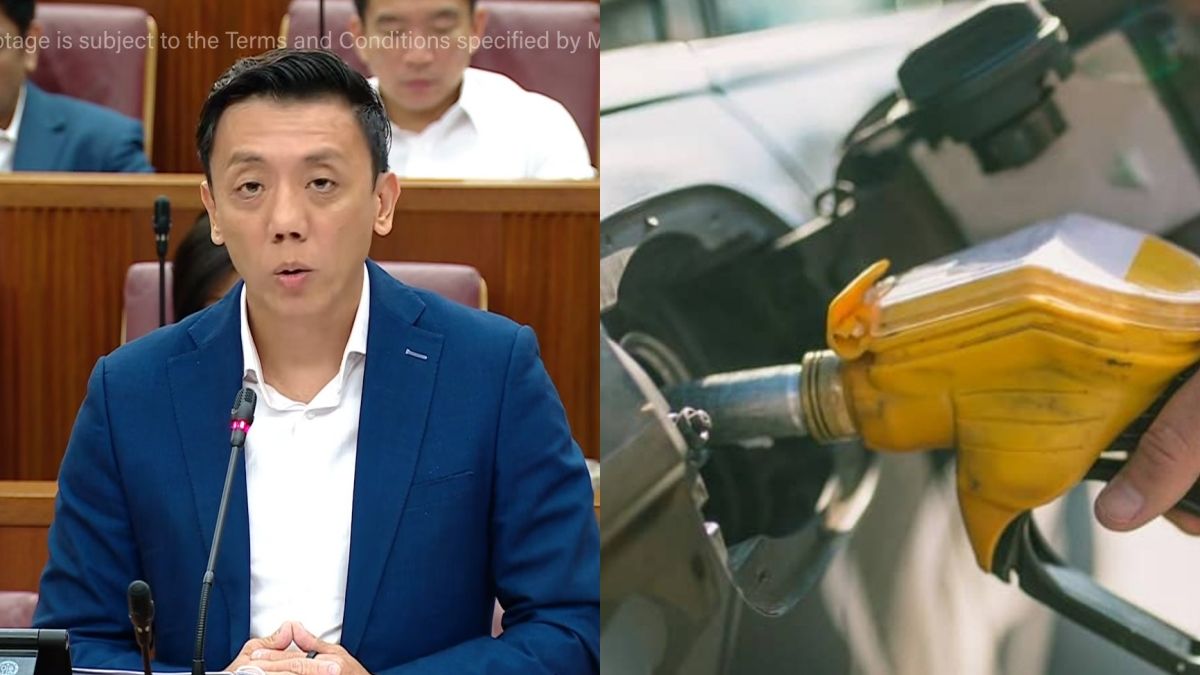
Speaking in Parliament on 7 April 2026, Acting Minister for Transport and Senior Minister of State for Finance Jeffrey Siow said broad-based fuel duty cuts would be ineffective and potentially inequitable.
“It is too blunt an approach and it could also be regressive. At the same time, we want to preserve the price signals for consumers to use energy more efficiently,” he said.
His remarks came in response to questions from several Members of Parliament on whether fuel duties could be lowered to ease the burden of rising prices.
Why fuel duty cuts are rejected
Siow said that as an open economy, Singapore must allow fuel prices to reflect global market conditions rather than artificially suppress them.
He warned that intervention could have unintended consequences for supply.
“If prices are artificially suppressed, importers may choose to divert fuel where prices are higher, and over time, this can tighten supply and leave us worse off,” he said.
Instead, the government’s strategy focuses on targeted assistance to ensure support reaches those most affected, while maintaining incentives for energy efficiency.
Support for households brought forward
To address cost-of-living concerns, the government will accelerate and enhance previously announced measures under Budget 2026.
The disbursement of S$500 Community Development Council (CDC) vouchers will be brought forward to June 2026, instead of January 2027.
In addition, the Cost-of-Living Special Payment will be increased by S$200.
Around 2.4 million eligible Singaporeans will receive between S$400 and S$600 in cash payouts in September.
Siow noted that while fuel price increases have not yet significantly filtered through to broader inflation, public anxiety over rising costs has intensified amid global uncertainty.
Immediate relief for transport workers
The rise in fuel prices has already affected earnings in sectors directly dependent on fuel consumption, particularly platform workers, taxi drivers and private-hire drivers.
To provide immediate relief, the government will issue a S$200 cash payment to eligible workers from the end of April.
Eligibility criteria require workers to have been continuously active with a platform or taxi operator from December 2025 to February 2026, and to have earned more than S$500 per month from platform work during that period.
Measures to support businesses
Businesses facing higher energy and logistics costs will also receive additional assistance.
The Corporate Income Tax rebate for the Year of Assessment 2026 will be increased to 50 per cent, up from 40 per cent.
The cash grant component will be raised to S$2,000 for eligible companies with at least one local employee, while the cap on total benefits will increase from S$30,000 to S$40,000.
These enhanced measures are scheduled for disbursement from the end of April.
Strengthening long-term resilience
Beyond immediate relief, the government is expanding schemes aimed at improving energy efficiency.
The Energy Efficiency Grant will be extended to all sectors and prolonged by an additional year until 31 March 2028, enabling more firms to invest in energy-saving equipment.
Temporary assistance will also be provided to co-fund cost increases for essential bus services, including those serving students, seniors and persons with disabilities, ensuring continuity without service disruption.
Additionally, the government will share fuel-related cost increases for critical public infrastructure projects where delays would significantly affect public interest, including major rail developments and housing projects.
Outlook amid global uncertainty
Fuel prices in Singapore have risen sharply alongside global oil prices and are expected to remain elevated.
Siow cautioned that while the full impact has yet to be felt across areas such as electricity and imported food, further cost pressures are likely.
He said the latest package, amounting to nearly S$1 billion, is a proactive response designed to cushion the impact while maintaining economic stability.
“The government also has more plans in the drawer,” he added, noting that additional measures could be deployed if conditions worsen.
“We will always make sure that no Singaporean is left to bear his or her burden alone,” he said.