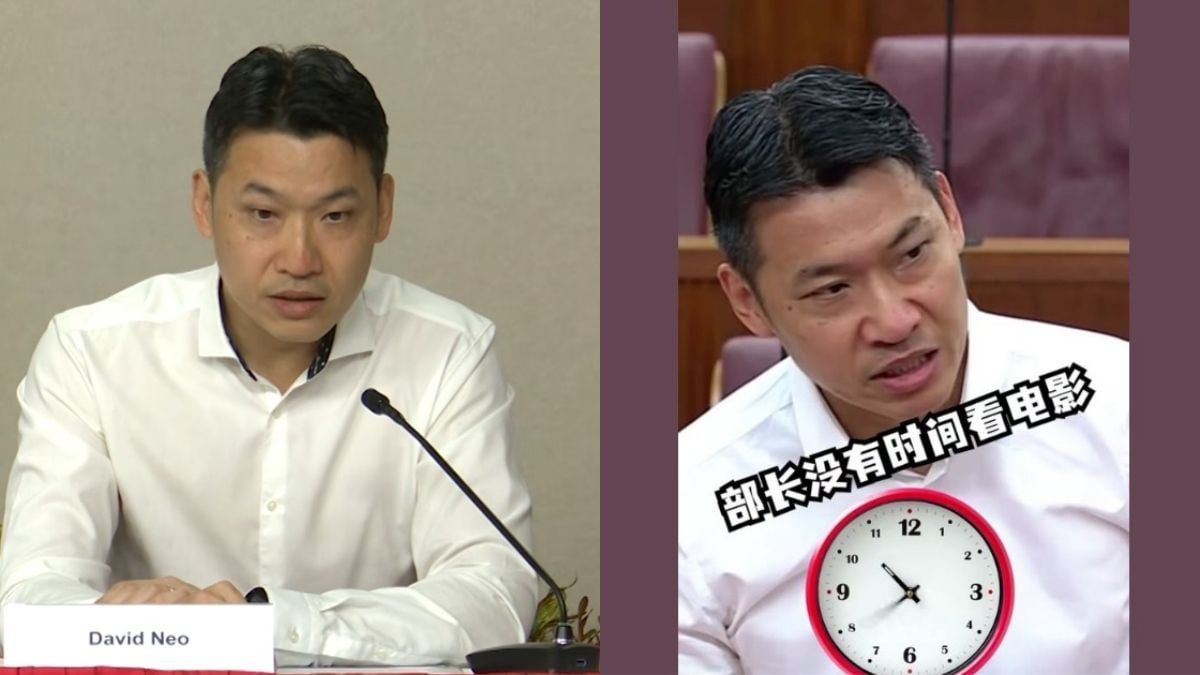
ERP 2.0 can enforce speeding offences but further enhancements needed, says Jeffrey Siow
Singapore’s ERP 2.0 system could eventually be used to enforce speeding offences, Acting Transport Minister Jeffrey Siow said in Parliament. Authorities are studying implementation details as the satellite-based road pricing system moves towards full rollout by 2027.

- ERP 2.0 may be expanded to enforce speeding offences in School and Silver Zones.
- Authorities are studying implementation details with further system enhancements required.
- Singapore aims to fully implement the satellite-based ERP 2.0 system by 1 January 2027.

Singapore’s ERP 2.0 system could eventually be used to enforce traffic offences such as speeding, Acting Minister for Transport Jeffrey Siow said in a written parliamentary reply on 5 May 2026.
Siow was responding to questions filed by Holland-Bukit Timah GRC Member of Parliament Edward Chia regarding whether the Government was considering using ERP 2.0 to monitor and enforce compliance with speed limits in School Zones and Silver Zones.
Chia also asked how such enforcement capabilities could be implemented if adopted.
In his reply, Siow said: “The ERP2 system is designed primarily for payment and charges.”
He added that the On-Board Unit (OBU) also supports road safety functions by providing “real-time traffic updates and situational alerts, including notifications for School Zones and Silver Zones”.
Potential use against speeding offences
Siow said ERP 2.0 could also support enforcement operations, including against speeding offences, although additional upgrades would be required before implementation.
“ERP 2 can also be used for enforcement, including for traffic offences like speeding, but further enhancements will be needed,” he said.
He added that the Ministry of Transport and the Ministry of Home Affairs were currently studying the implementation details.
Transition to satellite-based road pricing
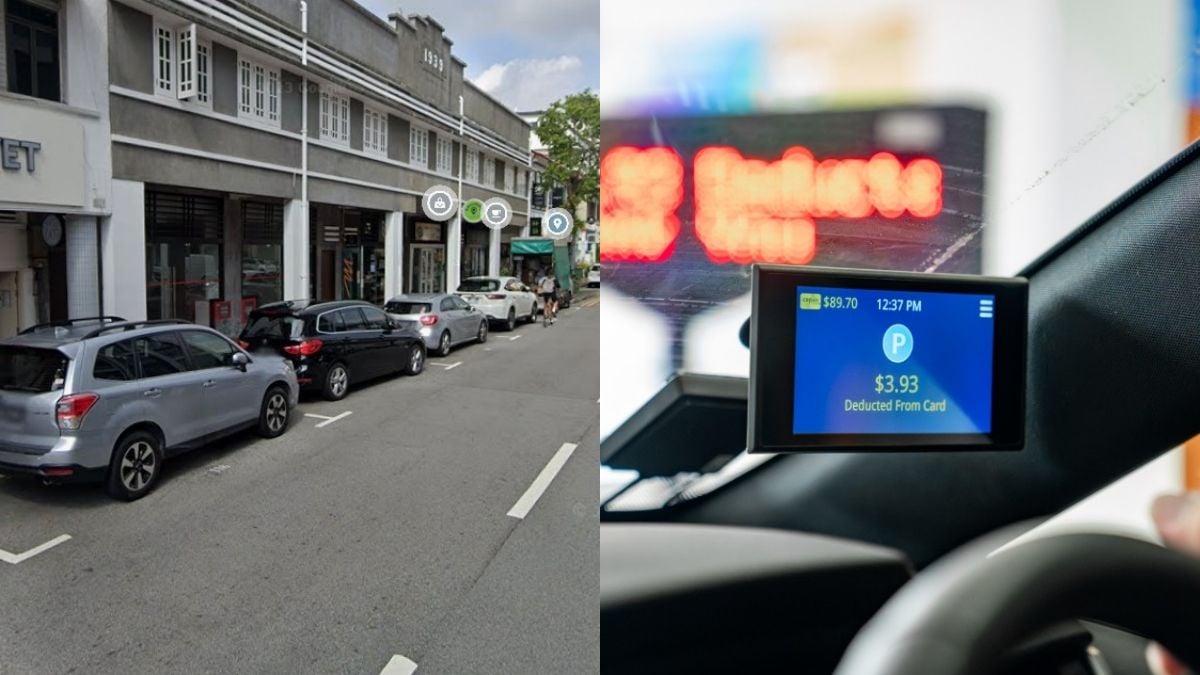
Singapore’s ERP 2.0 system is a satellite-based road pricing platform that will replace the country’s existing gantry-based ERP network, which has operated since 1998.
The current ERP system relies on physical gantries fitted with readers that automatically deduct charges from stored-value cards when vehicles pass beneath them.
Under ERP 2.0, the gantries will be phased out entirely and replaced by Global Navigation Satellite System (GNSS) technology.
Charging locations under the new system will instead be communicated through roadside signs, road markings and notifications displayed through the OBU.
The Government has set 1 January 2027 as the deadline for full implementation of ERP 2.0.
Installation of the new OBU is mandatory for all Singapore-registered vehicles, although installation is being provided free of charge during the transition period.
OBU installation progress
In February, Siow said around 70,000 vehicles in Singapore had yet to install the ERP 2.0 OBU as of 31 January 2026.
The figure represented approximately seven per cent of Singapore’s total vehicle population.
Separately, the Land Transport Authority (LTA) has announced that missed ERP payments under the new system will be treated as an administrative matter rather than a criminal offence.
Under the revised framework, vehicle owners — instead of drivers — will be responsible for settling unpaid ERP charges.
Owners must make payment within a five-day grace period after receiving an SMS notification from LTA.
Those who fail to settle the payment and an additional S$10 administrative fee within the stipulated period may be blocked from conducting transactions with LTA.
Affected services could include road tax renewals, vehicle registration transfers and refunds for unused road tax until all outstanding charges are cleared.