Malaysian lawmaker rebukes Calvin Cheng over “doesn’t negotiate with terrorists” remark
A Malaysian MP has criticised remarks by Singapore’s Calvin Cheng as potentially targeting Malaysia’s Hormuz negotiations, calling them misguided and inflammatory.

- Syahredzan Johan criticised remarks seen as targeting Malaysia’s Hormuz negotiations.
- Calvin Cheng cited Singapore’s stance against negotiating passage under international law.
- Cheng later clarified his comments were not directed at any specific country.

KUALA LUMPUR, MALAYSIA: A Malaysian lawmaker has criticised remarks by a Singaporean former Nominated Member of Parliament (NMP) that were perceived as a veiled reference to Malaysia’s negotiations with Iran for safe passage through the Strait of Hormuz.
Syahredzan Johan, Member of Parliament for Bangi from the Democratic Action Party (DAP), described the comments as misguided and potentially inflammatory, despite no country being explicitly named.
The remarks were made by Calvin Cheng, who praised Singapore’s foreign policy stance against negotiating passage through the strait, warning that such actions could undermine established principles of international law.
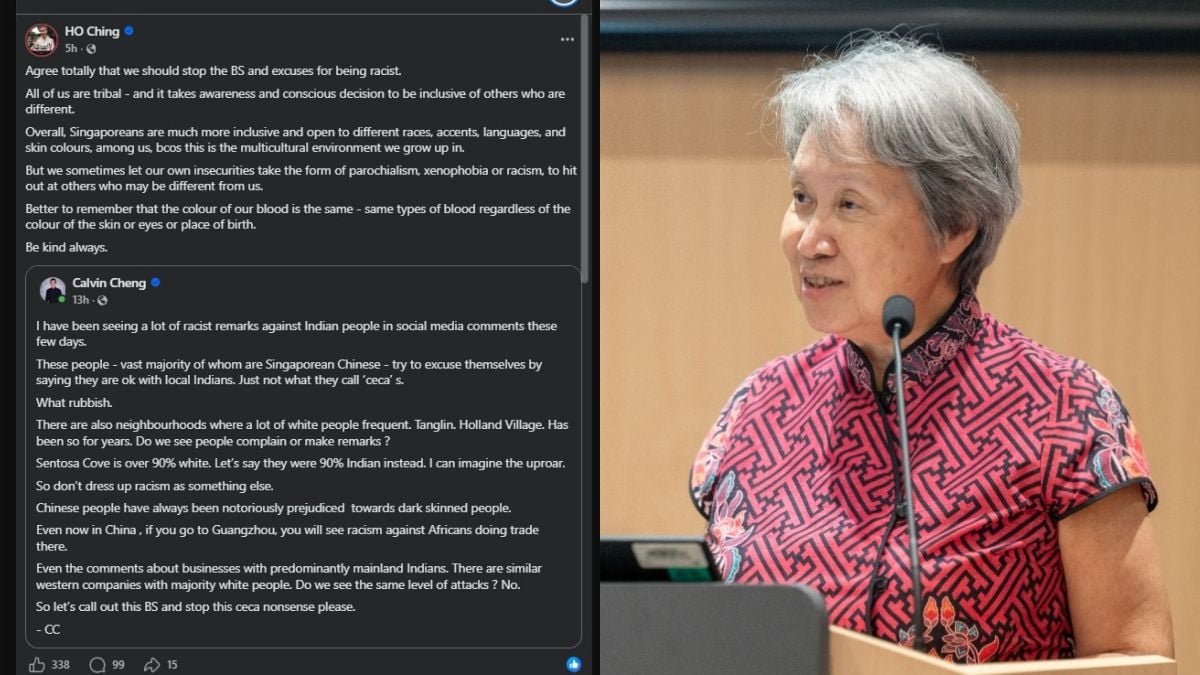
In a Facebook post, Cheng wrote: “Singapore doesn’t negotiate with terrorists. On the other hand, there are countries boasting they have negotiated passage but in the same breath say they are running out of oil next month.”
The wording was widely interpreted as referring to Malaysia, which has acknowledged engaging Iranian authorities to ensure continued transit of its vessels amid heightened regional tensions.
Responding publicly, Syahredzan, who is also DAP vice-chairman, said Malaysia respects Singapore’s position but will pursue its own course based on national needs and circumstances.
He said countries have differing energy requirements and must adopt approaches suited to their respective situations, particularly during periods of global uncertainty.
“Malaysia, too, will chart its own path for its people,” Syahredzan said, adding that negotiations for safe passage through the Strait of Hormuz form part of efforts to safeguard national interests.
He described Cheng’s remarks as unnecessary and unacceptable, warning that such statements risk inflaming public sentiment between the two neighbouring countries.
Syahredzan added that he was confident the comments did not reflect Singapore’s official position, but cautioned that they could still heighten tensions at a time when regional cooperation is needed.
On 8 April, Cheng clarified that his earlier remarks were not directed at Malaysia or any specific country.
He said the comments referred broadly to multiple nations grappling with oil supply challenges and reiterated that each country should act according to its own interests.
“Every country should do whatever they think is in their interest. I have no intention of attacking other countries’ positions, and certainly not our close neighbour whom we share a lot with. We all have our own positions and can agree to disagree,” he wrote.
Singapore will not negotiate over Strait of Hormuz passage ‘as matter of principle’: Vivian Balakrishnan
The exchange comes against the backdrop of a firm policy position articulated by Singapore’s Foreign Minister, Vivian Balakrishnan, in Parliament on 7 April.
Responding to a question from the Workers' Party MP Fadli Fawzi, Dr Balakrishnan stated that Singapore cannot engage in negotiations with Iran over passage through the Strait of Hormuz as a matter of principle.
He emphasised that freedom of navigation through such waterways is a right under international law, rather than a privilege granted by coastal states.
“Singapore’s position on straits used for international navigation is longstanding and consistent,” he said, citing the United Nations Convention on the Law of the Sea as the governing framework.
Dr Balakrishnan stressed that the right of transit passage applies universally and is not contingent on agreements or payments to bordering nations.
“It is not a toll to be paid. It is a right of all nations’ ships to traverse,” he said, adding that the principle also extends through customary international law.
He further noted that Singapore’s position is shaped by its own geographical realities, pointing to the strategic importance of the Strait of Malacca and the Strait of Singapore as critical global shipping routes.
Monitoring and safety measures
While rejecting negotiations on principle, Singapore continues to monitor vessels through the Maritime and Port Authority of Singapore, which is tracking Singapore-flagged ships operating in the Persian Gulf.
Dr Balakrishnan said agencies are engaging stakeholders to explore ways to facilitate safe transit, including coordination with the International Maritime Organization on potential maritime corridors.
He noted that humanitarian considerations remain central, particularly in light of disruptions affecting commercial shipping and energy supplies.
Regional responses to Hormuz disruptions
The Strait of Hormuz, a strategic chokepoint through which about 20 per cent of the world’s oil and gas passes, has experienced significant disruption following sustained military activity involving the United States and Israel targeting Iranian territory since 28 February 2026.
Although Iran has not formally closed the waterway, it has indicated that only vessels from “non-hostile” nations would be permitted to pass.
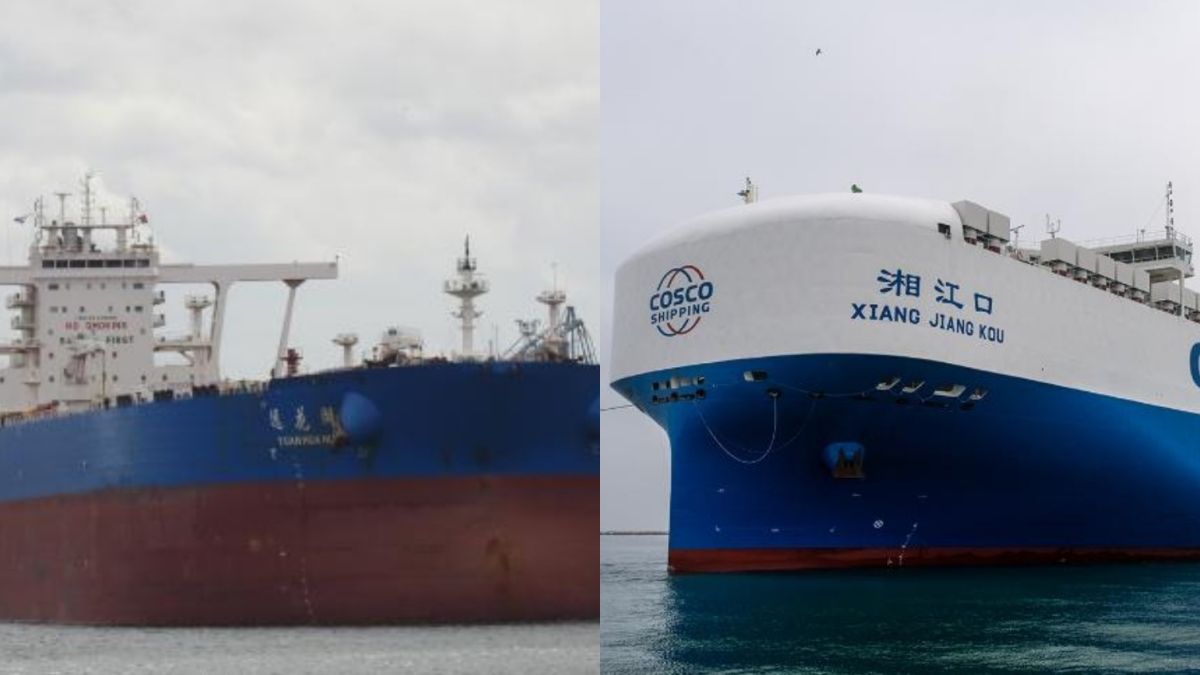
Malaysia has been among the countries engaging directly with Tehran to secure transit for its vessels.
Prime Minister Anwar Ibrahim raised the issue with Iranian President Masoud Pezzeshkian, resulting in clearance for Malaysia-linked tankers.
At least one tanker bound for Johor has resumed its journey, with several others expected to follow in stages.
Other countries, including Pakistan, India and the Philippines, have also sought or coordinated arrangements to ensure continued access through the strait.