US to begin Iran port blockade as Trump dismisses talks, warns China over military aid to Tehran
The United States will impose a naval blockade on Iranian ports from 13 April 2026 after failed talks, escalating tensions and threatening global energy flows amid warnings from Tehran and rising oil prices.

- The US will blockade Iranian ports after talks collapse, escalating regional tensions.
- Iran warned of retaliation, risking a breakdown of the fragile ceasefire.
- Oil prices surged above US$100 amid fears of prolonged disruption.

The United States will begin blockading Iranian ports from 13 April 2026, escalating tensions after high-level negotiations in Islamabad failed to produce an agreement to end the ongoing conflict.
US Central Command (CENTCOM) said the blockade would take effect at 10am Eastern Time, targeting all maritime traffic entering and leaving Iranian ports. The measure follows the collapse of talks aimed at preserving a fragile two-week ceasefire.
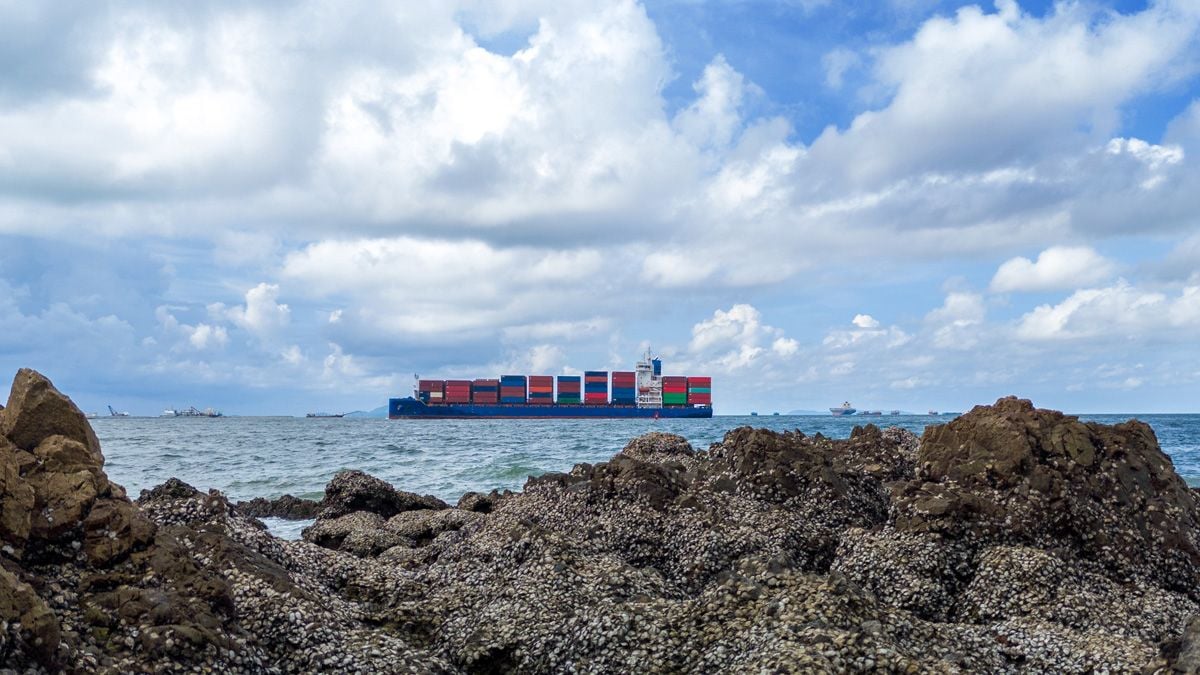
According to CENTCOM, enforcement will apply to vessels of all nations interacting with Iranian ports along the Arabian Gulf and Gulf of Oman. However, ships transiting the Strait of Hormuz to non-Iranian destinations will not be impeded.
Trump adopts hardline stance
President Donald Trump confirmed the operation and signalled a more aggressive posture, stating that vessels paying tolls to Iran would face consequences in international waters. He also warned of military action against Iranian threats in the strait.
In remarks to journalists, Trump said he did not care whether Iran returned to negotiations, describing the country as “desperate”. Hours earlier, he had suggested talks could continue, calling them “very friendly”.
Trump also acknowledged that energy prices could remain elevated through the November midterm elections, highlighting potential domestic political consequences.
Iran warns of escalation
Iran’s Islamic Revolutionary Guard Corps warned that any approaching military vessels would be treated as a violation of the ceasefire and dealt with decisively. The warning underscored the risk of rapid escalation in the strategic waterway.
Parliamentary Speaker Mohammad Baqer Qalibaf dismissed US threats, stating that Iran would respond proportionately to confrontation while remaining open to logical engagement.
Foreign Minister Abbas Araqchi, who led negotiations alongside Qalibaf, said Iran had engaged in good faith but encountered shifting demands and what he described as maximalist positions.
Talks collapse over key demands
The Islamabad negotiations marked the first direct engagement between the United States and Iran in more than a decade and the highest-level talks since 1979.
Vice President JD Vance, who headed the US delegation, said the failure to reach agreement was more detrimental to Iran than to the United States.
According to a US official, Iran rejected demands to end uranium enrichment, dismantle major nuclear facilities and transfer highly enriched uranium abroad.
Disputes also persisted over Iran’s support for regional groups and control of the Strait of Hormuz.
Iranian officials maintained that progress had been made on some issues but identified the nuclear programme and maritime access as central sticking points. Tehran called for a balanced agreement based on international law.
Oil prices and markets react
The escalation has already affected global markets, with oil prices rising above US$100 per barrel as of early Monday trading.
The Strait of Hormuz remains a critical chokepoint for approximately 20 per cent of global energy supplies.
Currency markets also reacted, with the US dollar strengthening as investors sought safe-haven assets amid uncertainty entering a seventh consecutive week.
Iranian officials pointed to potential economic consequences for the United States, highlighting domestic fuel prices in response to the blockade announcement.
China tensions and tariff threats
Trump also warned China against providing military assistance to Iran, threatening tariffs of up to 50 per cent on Chinese goods if such support were confirmed.
The warning followed intelligence reports alleging that advanced air defence systems were being routed through third countries. China denied the claims, stating it had not supplied weapons to any party in the conflict.
The developments come ahead of a planned summit between Trump and President Xi Jinping on 14 to 15 May 2026 in Beijing, which had been postponed due to the conflict.
Casualties and humanitarian toll
Iranian authorities released updated casualty figures from the conflict, reporting significant civilian impact.
According to the head of Iran’s Emergency Medical Services Organisation, 4,993 women were injured and 258 killed.
A total of 221 children were among the fatalities, including 18 under five years old. Authorities said 2,115 individuals under 18 were injured, including 124 children younger than five and 70 under the age of two.
The highest casualty figures were recorded in Tehran, Isfahan, Kermanshah and Ilam, as well as Khuzestan and Lorestan provinces. Officials stated that many of the injured were non-combatants affected during strikes.
Strait activity and military risks
Despite tensions, shipping activity showed limited signs of recovery after the ceasefire, with three fully laden supertankers passing through the Strait of Hormuz on Saturday. These were the first vessels to exit the Gulf since the ceasefire was announced.
Experts have warned that enforcing a blockade represents a significant and open-ended military commitment, with the potential to provoke retaliation and further destabilise the ceasefire.
The situation remains fluid, with both sides maintaining firm positions and signalling readiness for further confrontation.